Sangram Datta
Update: 16:08, 2 January 2026
Radhanagar: Where Heritage Meets Modernity
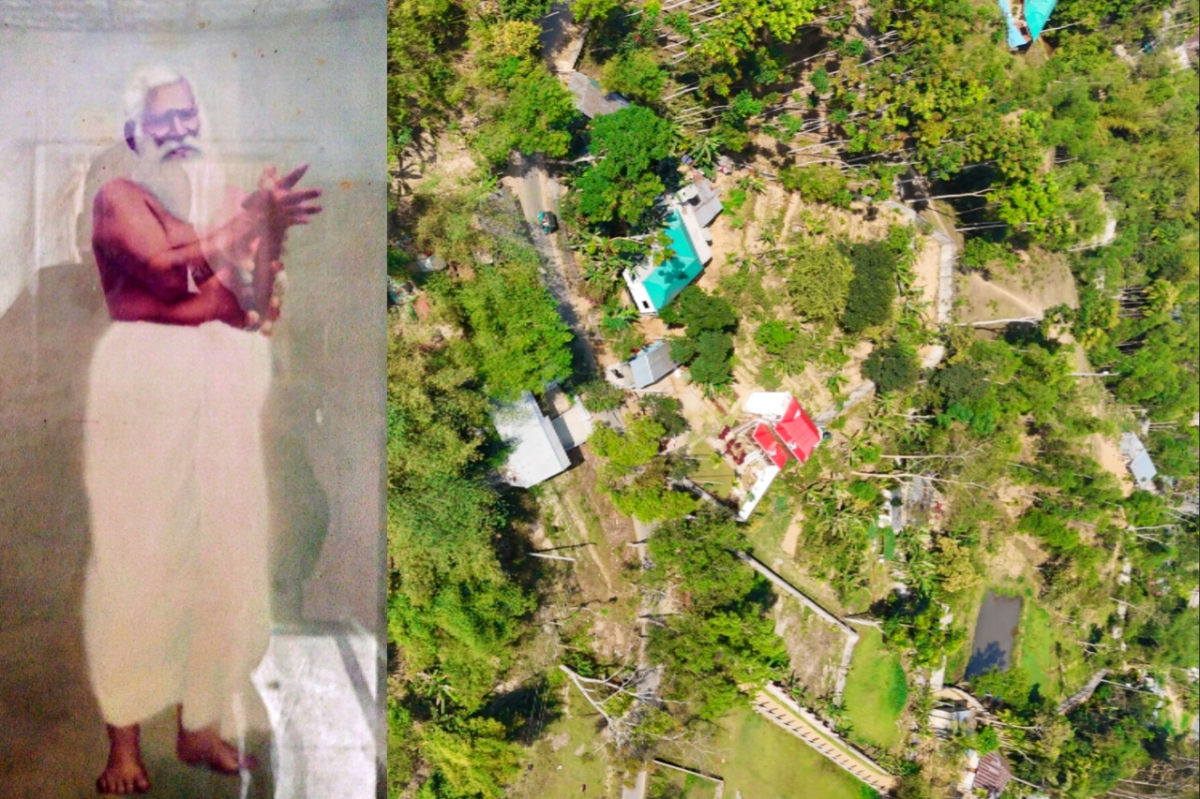
The name Radhanagar traces back to Radhanath Dev Chowdhury
In Bangladesh’s northeastern corner, where tea gardens stretch toward mist-covered hills, lies Radhanagar—a place that tells a larger story than its modest size suggests. To visitors, it is part of the picturesque landscape of Sreemangal, now celebrated as the country’s “tea capital.” To longtime residents, it is home. But beneath the resorts, paved roads, and soaring land prices lies a deeper narrative—one that raises urgent questions about heritage, development, and who ultimately benefits from progress. Radhanagar is not merely a neighborhood. It is a historical idea, born during the British colonial period and reshaped repeatedly by time, politics, and economics.
A Zamindar’s Vision, Not Just His Land
The name Radhanagar traces back to Radhanath Dev Chowdhury, a prominent zamindar of British India. Originally from Bhuribag in today’s Nabiganj, Habiganj District, Chowdhury’s family later settled in Sreemangal—then a sparsely populated, forested region on the margins of colonial administration. Unlike many landowners of his era, Chowdhury did not treat land solely as a source of rent or status. After purchasing approximately 178 bighas of land in the Dolucherra hills, he envisioned a planned settlement—one with schools, temples, social institutions, and a coherent community structure. Over time, this area came to be known by his name: Radhanagar.
For today’s readers—especially international ones—this detail matters. South Asia’s colonial-era development is often portrayed as extractive and elite-driven. Yet local histories like Radhanagar complicate that narrative, showing how individual actors sometimes used privilege to foster education and social infrastructure.
Education as Social Reform
Perhaps Radhanath Dev Chowdhury’s most enduring legacy lies in education. At a time when schooling was rare and gendered, he established a school in memory of his father and founded a girls’ school named after his mother—an act that challenged prevailing social norms.
These institutions have since changed names, structures, and administrations. Some no longer exist in their original form. Yet their influence persists. Education became embedded in Radhanagar’s social identity, later reinforced by his son, Khirad Bihari Dev Chowdhury, who founded a primary school to honor his father. For native readers, this history resonates with familiar struggles for access to education. For international audiences, it highlights a locally driven reform movement that unfolded far from colonial capitals, yet quietly shaped generations.
From Quiet Hills to Capital Investment
For much of the twentieth century, Sreemangal—and Radhanagar within it—remained tranquil. Hills, forests, and tea estates defined daily life. The songs of tea workers, many from marginalized communities, echoed across the landscape. Development was slow, organic, and deeply tied to nature.
That balance has shifted dramatically.
Over the decades, ownership of Radhanagar’s original lands slipped away from the Chowdhury family, passing first to local occupiers and later to powerful investors. Today, the Dolucherra hills host luxury resorts, boutique hotels, private villas, and tourism complexes worth billions of taka.
Land prices have skyrocketed. What was once accessible farmland is now beyond the reach of most local families. Economic opportunity has grown—but so has inequality.
This transformation mirrors global patterns, from Southeast Asia to Latin America: scenic regions rebranded for tourism, local histories flattened, and land converted into capital.
Winners, Losers, and New Possibilities
It would be simplistic to frame this story as loss alone. Tourism has brought employment. Local residents now work as guides, hotel staff, drivers, artisans, and small entrepreneurs. Women and young people are increasingly involved in homestays, handicrafts, and service-based enterprises. Education and skills training—ironically echoing Chowdhury’s original priorities—are once again central to upward mobility. Yet challenges loom. Environmental degradation threatens hills, forests, and water sources. Unplanned construction strains infrastructure. Cultural memory fades as physical landmarks disappear. The question facing Radhanagar today is not whether development should occur—but what kind of development.
Why Radhanagar Matters Beyond Sreemangal
For Bangladesh, Radhanagar offers a case study in transition: from colonial landholding to postcolonial urban growth; from agrarian economy to tourism-driven development. For international readers, it illustrates a global dilemma—how places with deep local histories navigate globalization without losing their soul.
Sustainable progress here would mean
Protecting tea gardens, hills, and forests Enforcing environmentally responsible construction Involving local communities in planning and profit-sharing Preserving educational and social institutions as living heritage, not museum relics Handled wisely, Radhanagar could become a model—not just for Bangladesh, but for heritage-rich regions worldwide.
A Living Bridge Between Past and Future
Radhanagar today stands at a crossroads. Its story began with one man’s belief that land could serve society. It now continues through countless lives shaped by opportunity, displacement, resilience, and hope. This is not a nostalgic plea to freeze time. Nor is it a celebration of unchecked growth. It is a call to remember that places are more than investments—they are repositories of memory, labor, and aspiration. Radhanagar is not simply where hills meet hotels.
It is where history confronts modernity, and where the choices made today will determine what remains tomorrow.
EN/SA






- Tortoise: A Fascinating Creature of Patience and Longevity
- How Are You Meaning in Bangla – A Simple Guide
- The value of `Mohanagar` stretches far beyond social media hype
- What is Amazon Digital?
- Where is the Super Bowl 2025? Your Ultimate Guide
- The Mournful Day
- How to Become a Blogger: Your Complete Guide
- When is Memorial Day 2024 USA?
- How to Become a Dermatologist: Your Complete Guide
- What is a Verb? A Deep Dive into the Heart of Language