
Prottush Talukder, Environmental Special Correspondent
Update: 11:30, 18 April 2026
Plastic Tide: How Marine Pollution Is Reshaping the Bay of Bengal
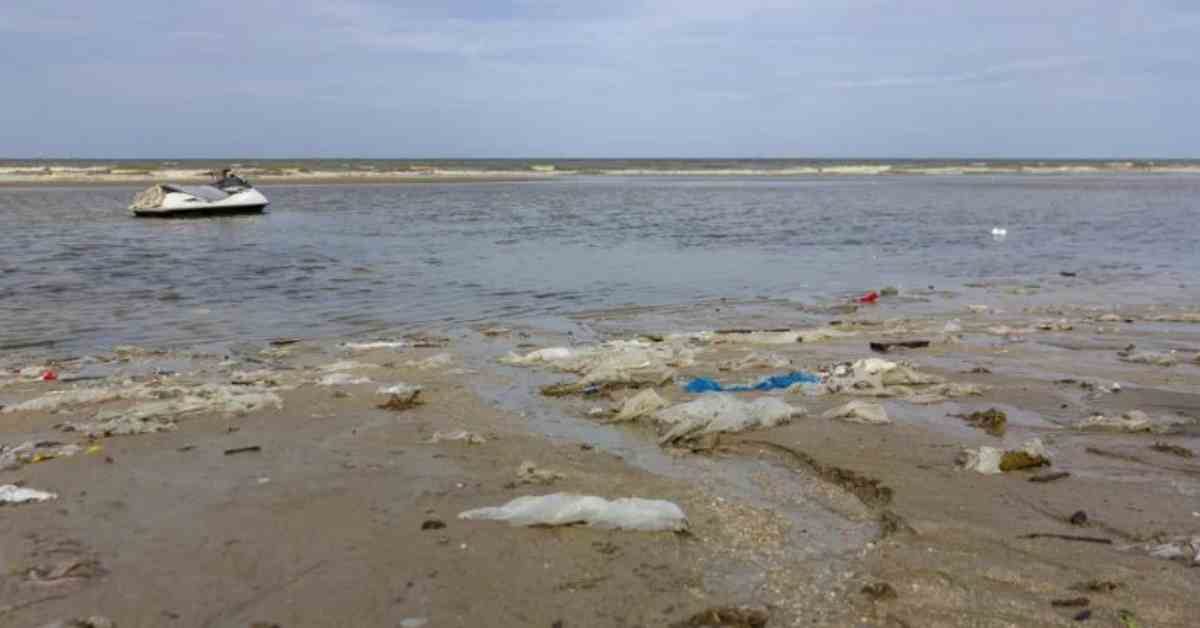
At first glance, the beach near Cox’s Bazar still looks pristine. Tourists arrive early, before the tide brings in what locals have come to expect—plastic bottles, fishing nets, and fragments of packaging that resist decay.
Marine pollution in the Bay of Bengal has reached a point where it can no longer be framed as a distant environmental concern. It is visible, persistent, and increasingly tied to public health and economic risk.
A recent survey conducted by local environmental groups suggests that a significant portion of coastal waste originates inland. Rivers act as conduits, carrying plastic from urban centres into the sea. Once there, it fragments but does not disappear.
Fishermen describe a gradual but noticeable change. Nets return heavier, not with fish, but with debris. Some report damaged gear, increasing operational costs. Others speak of declining catches, though attributing this solely to plastic pollution would be too simple. Overfishing and habitat loss likely play a role as well.
Microplastics present a more complex challenge. Early-stage research in Bangladesh indicates their presence in marine species consumed by humans. The long-term health implications remain uncertain, but the trend is concerning enough to warrant closer scrutiny.
Policy responses exist, though enforcement appears inconsistent. Single-use plastic bans have been announced, yet implementation varies widely across regions. Waste management infrastructure remains underdeveloped, particularly outside major cities.
There are, however, small-scale interventions that suggest alternative pathways. Community-led beach cleanups, pilot recycling programs, and awareness campaigns have shown measurable local impact. The difficulty lies in scaling these efforts without sustained institutional support.
The Bay of Bengal is not an isolated system. Pollution flows across borders, carried by currents and trade networks. This makes unilateral solutions insufficient.
What becomes clear is that marine pollution is not just about waste. It reflects deeper structural issues—consumption patterns, regulatory gaps, and uneven development.
The ocean absorbs these pressures quietly. But the consequences are becoming harder to ignore.









- Bangladesh Chhatra League full committee announced
- Takrim again first in the International Quran Competition
- A fire broke out in Bongo Bazar
- Enayetullah Abbasi may be banned in UK!
- Today is the birthday of the father of the nation
- Fire in Bongo Bazar: Mamun lost everything
- Sheikh Hasina will be elected for the fourth term : Bloomberg
- Bongo Bazar fire: 5 thousand traders are affected
- Consequences and Implications of Climate Change for the Haor Region
- Delwar Hossain Sayeedi passed away!