Sangram Datta
Update: 13:02, 4 January 2026
Bangladesh at a moment of Democratic Concern
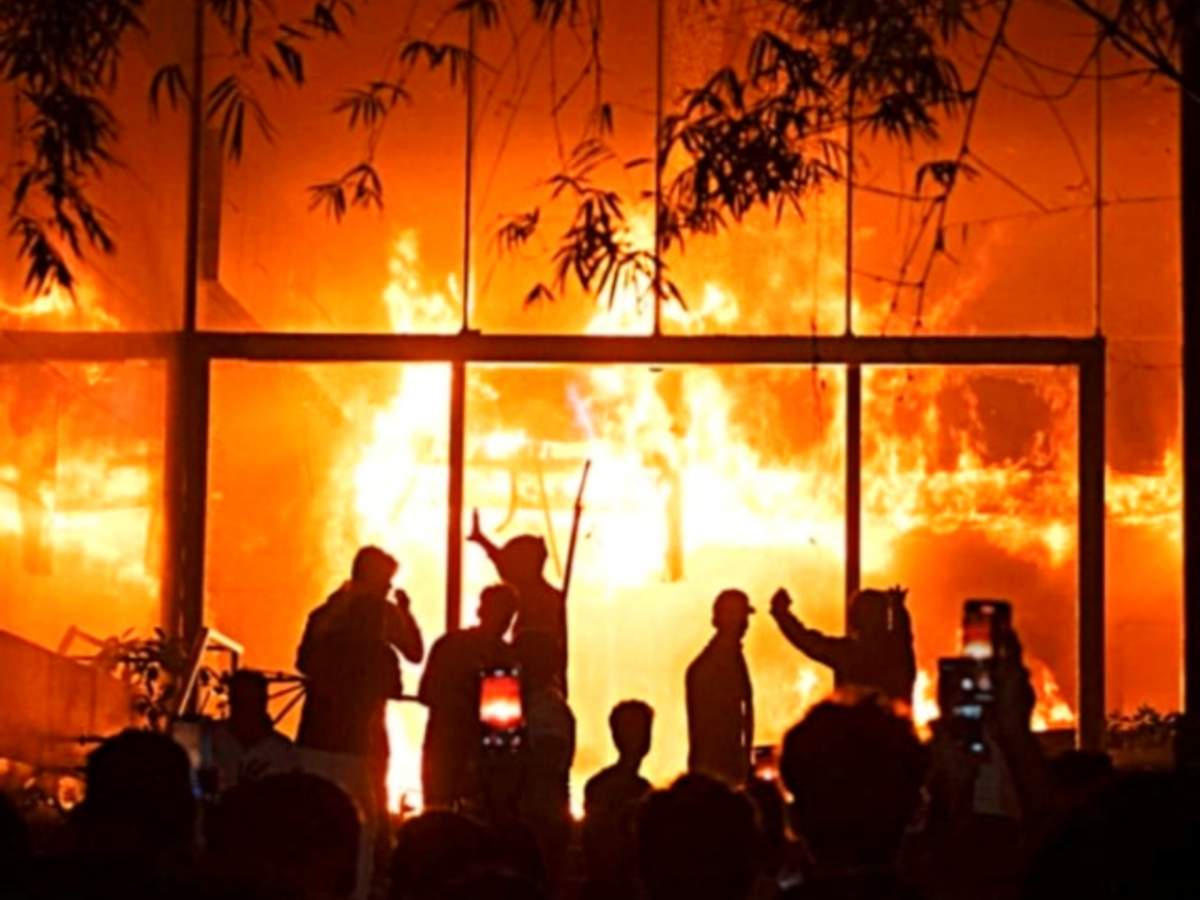
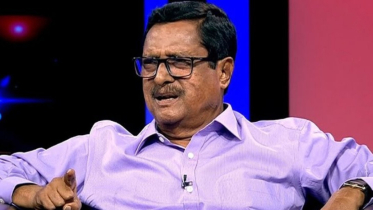
Photo: Collected
In Bangladesh’s political life, veteran voices rarely speak in abstractions. When they express fear, it is usually grounded in long memory and hard-earned experience. So when BNP Secretary General Mirza Fakhrul Islam Alamgir asks, “We do not know what Bangladesh we are standing in at this moment,” he is not merely voicing personal despair. He is articulating a profound anxiety about the country’s democratic trajectory and the very character of the state.
That anxiety has taken tangible form in the planned attacks, vandalism, and arson targeting two of the country’s most prominent newspapers—Prothom Alo and The Daily Star. These assaults did not merely scorch walls and offices. They burned into the foundations of free expression, democratic norms, and the professed spirit of the July uprising. What was attacked was not just media institutions, but the idea that dissent can exist without fear.
Mob Violence as Political Method
Mob violence, carried out in the name of “the people,” is no longer an aberration. It is increasingly normalized as a political tactic and a tool of intimidation. When disagreement is met not with argument but with fire, a society begins to slide toward a medieval logic of power, where brute force replaces reason. Statements from Nurul Kabir, editor of New Age, and Mahfuz Anam, editor of The Daily Star, reveal the chilling reality of these attacks. Journalists were encircled in their workplace as fires were set from multiple sides. Fire service personnel were obstructed. These were not acts of spontaneous rage; they bore the hallmarks of attempted murder. The objective was not simply to frighten, but to silence—permanently, if necessary.
The Silence of the State
At the heart of Mirza Fakhrul’s alarm lies the state’s disturbing inaction. In the Bangladesh he now describes, the administration does not stand beside citizens at moments of danger. Mahfuz Anam’s testimony—that he reached out to various levels of government yet received no protection—illustrates not just administrative failure, but an abdication of state responsibility.
This silence raises unavoidable questions. Is the state deliberately looking away? Or does mob violence enjoy tacit political patronage? Nahid Islam, convener of the National Citizens’ Committee, has alleged that slogans of the July uprising and the names of its martyrs were cynically invoked to justify these acts. If true, this represents a particularly corrosive manipulation of popular emotion—turning collective sacrifice into a weapon for organized criminality.
Democracy Versus Fear
Mirza Fakhrul’s warning goes beyond party politics. He has been explicit: the attack was not on a particular newspaper, but on the right to think and speak freely. Democracies survive on the ability to question power. When that ability is extinguished with arson and terror, what remains is governance stripped of democratic substance.
His disillusionment cuts deeper because the July movement was framed as a struggle for rights and dignity. Today, he suggests, those hard-won aspirations are being reversed. Unless all forces committed to democracy—across party lines—stand together, the darkness will deepen.
International Alarm and a Crisis of Legitimacy
International concern underscores the gravity of the moment. United Nations Special Rapporteur Irene Khan has warned that free and fair elections are impossible without freedom of expression—a statement that implicitly challenges the legitimacy of the state itself.
Economist and public intellectual Dr. Debapriya Bhattacharya has been even more blunt: without moral legitimacy, a government forfeits its right to rule. When journalists, minorities, women, and dissenters live in fear, public trust erodes. This crisis of confidence is the political foundation of Mirza Fakhrul’s anxiety.
A Moment to Resist
The journalists’ union, NOAB, has announced a national convention and tougher programs of resistance. This signals a stark truth: the struggle is no longer only about ink and paper; it is about survival. To silence the media is to blind society.
If mob violence is not stopped now, tomorrow it will come for every dissenting voice. Mirza Fakhrul’s question, then, becomes a collective reckoning: What Bangladesh are we standing in—and what Bangladesh do we wish to become? The answer will determine whether the country returns to a democratic path, or settles into a state defined by fear, fire, and silence.
EN/SHA




- Tortoise: A Fascinating Creature of Patience and Longevity
- How Are You Meaning in Bangla – A Simple Guide
- The value of `Mohanagar` stretches far beyond social media hype
- What is Amazon Digital?
- Where is the Super Bowl 2025? Your Ultimate Guide
- The Mournful Day
- How to Become a Blogger: Your Complete Guide
- When is Memorial Day 2024 USA?
- How to Become a Dermatologist: Your Complete Guide
- What is a Verb? A Deep Dive into the Heart of Language