Imran
UK Visa Cost 2026 Why the Numbers Feel Heavier Than Ever
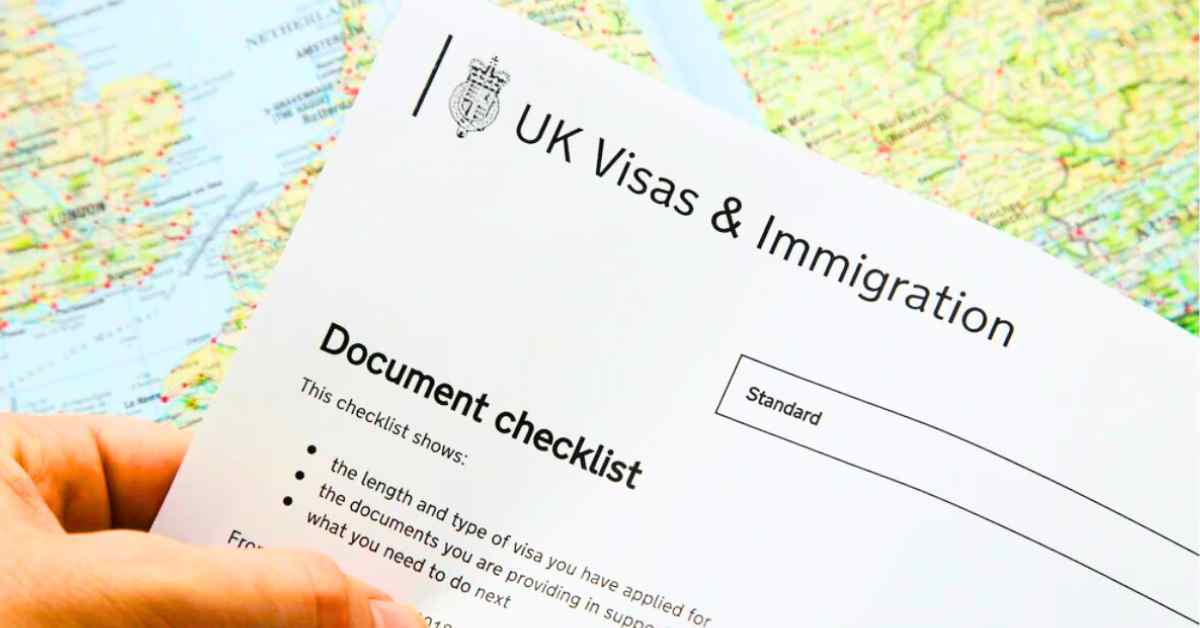
There’s something about talking money in the UK right now that feels uncomfortable. Especially when the conversation turns to visas. I’ve noticed people don’t just ask how to apply anymore — they ask whether it’s even worth it. And that’s where the discussion around UK visa cost 2026 quietly becomes emotional, not just financial.
For many families, students, and employers, the UK has always felt expensive. But in 2026, visa costs feel different. Heavier. Less forgiving. The UK visa cost 2026 isn’t just a fee on a website; it’s a barrier that people calculate again and again late at night, calculator in hand, hoping the numbers somehow change.
What’s interesting is that not everyone agrees on whether these costs are “too high”. Some say higher fees protect the system. Others argue it’s pricing out the very people the UK still claims to welcome. Both views exist at the same time, awkwardly.
The reality behind UK visa cost 2026
If you look at official figures published by UK Home Office through GOV.UK, the structure looks tidy. Application fees. Immigration Health Surcharge. Optional priority services. Clean and logical on paper.
In real life? Messy.
The UK visa cost 2026 hits hardest when you stack everything together. A work visa applicant might manage the base fee, but add the health surcharge for several years, biometric costs, and potential solicitor help, and suddenly the total feels surreal. Students feel it too, especially those from countries where currency exchange works against them. Spouse visa applicants probably feel it the most — love has a price tag now, and it’s not subtle.
I’ve heard people say, “At least the UK system is transparent.” That’s true. But transparency doesn’t always soften the blow.
Businesses, families, and quiet consequences
Small UK businesses are quietly affected. Some employers simply stop sponsoring overseas staff because the UK visa cost 2026 makes recruitment risky. One rejected application can mean thousands lost, with no refund. That fear doesn’t always make headlines, but it shapes decisions behind closed doors.
Families feel the pressure differently. Parents delay applications. Couples live apart longer than planned. Children grow up on video calls. No policy document really captures that.
And yet, there’s a strange contradiction. Demand for UK visas hasn’t collapsed. People still apply. The UK still attracts talent, students, and partners. That suggests opportunity still exists — just at a higher price.
Looking ahead, with some uncertainty
No one knows for certain if fees will rise again after 2026, but history suggests they might. That’s why conversations around UK visa cost 2026 feel tense. People are budgeting not just for now, but for what might come next.
My honest take? The UK isn’t closing its doors, but it is narrowing the gap. If you’re planning ahead, understanding the true UK visa cost 2026 — not just the headline fee — matters more than ever. Because once you’re in the process, hope alone doesn’t pay invoices.
Read More: Why the UK Spouse Visa Processing Time Feels Longer Than Ever









- SSC Exam Result check 2026 Bangladesh
- NU Degree Result 2026 Bangladesh: Full Guide
- India Tourist Visa for Bangladeshis Resumes From May 6
- Eid al Fitr 2026 UAE Dates Confirmed and Expected Globally
- Dubai-bound flight catches fire after taking off from Nepal
- Turkey`s homegrown 5th-generation fighter jet named KAAN
- Shihab Chottur reaches Makkah from India in 12 months
- Cleaner Job Circular 2026 Saudi Arabia Latest Hiring Update
- Eid Ul Adha 2023 in Saudi Arabia!
- India gets new parliament building