
Hasanat Kamal
Why AI Journalism Must Focus on People
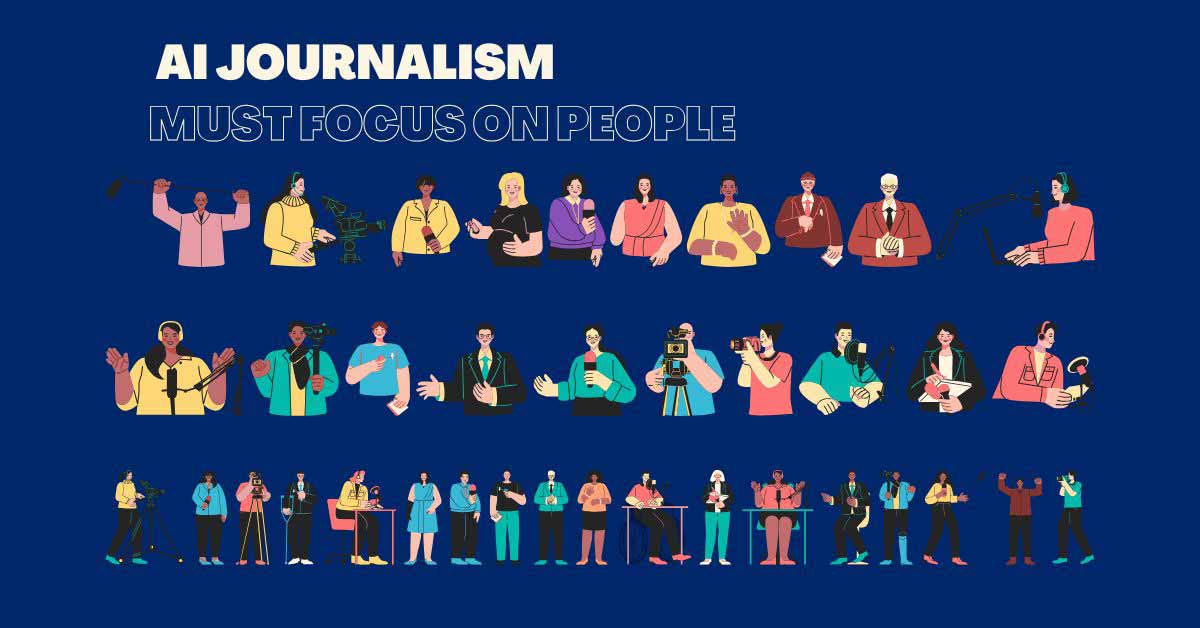
Artificial intelligence has become one of the most talked-about technologies of our time. News coverage often highlights rapid innovation, powerful new tools, and promises of efficiency and growth. While these developments are important, much of the current AI discourse overlooks a critical question: how does artificial intelligence affect people in their daily lives?
Behind every algorithm are real individuals who may be excluded, misclassified, monitored, or harmed by automated systems. Yet these human consequences often receive far less attention than technical breakthroughs or corporate announcements. Journalism that focuses only on speed, performance, and disruption risks missing the most important stories.
AI systems increasingly influence decisions in areas such as employment, healthcare, agriculture, social welfare, and public services. When these systems fail or are poorly designed, the consequences are not abstract. A farmer may be denied assistance due to faulty data. A worker may be rejected by an automated hiring tool. A community may be subjected to surveillance without consent or accountability. These impacts rarely make headlines, but they shape people’s lives in lasting ways.
AI journalism must therefore move beyond technical fascination and marketing language. Instead of asking only what AI can do, journalists should ask who benefits from these systems and who bears the risks. Power dynamics matter. AI is often developed and deployed by governments or corporations, while those affected have little say in how decisions are made or challenged.
Accountability is another essential focus. When AI systems cause harm, responsibility is frequently unclear. Developers may blame data limitations, institutions may blame technology, and affected individuals are left without answers. Journalism plays a vital role in tracing responsibility, exposing governance gaps, and demanding transparency.
Focusing on people also helps counter the myth that AI is neutral. Algorithms reflect the values, assumptions, and biases embedded in their design and data. By reporting on lived experiences, journalists can reveal how automated systems reinforce existing inequalities rather than eliminating them.
Human-centered AI journalism does not reject innovation. Instead, it grounds innovation in social reality. It recognizes that technological progress without ethical oversight can deepen injustice and erode trust. By amplifying voices from marginalized communities and examining real-world outcomes, journalism can provide the clarity the public needs to engage with AI critically.
As artificial intelligence continues to expand, the role of journalism becomes even more important. By centering people rather than hype, journalists can help society navigate AI’s risks and possibilities with responsibility, fairness, and informed public debate.










- 32 megapixel camera new phone Tecno Spark 10 Pro
- AI in Bangladesh: Unlocking Potential Amid Challenges
- Google Bard now in Bangladesh
- Refreshing only increases the speed of the computer?
- Samsung Galaxy A54 5G: A perfect price fit!
- Elon Musk`s SpaceX hires 14-year-old Bangladeshi-American Kairan
- Emerging Tech Innovations 2025: The Future is Here
- Tottering from Twitter to Threads
- Spotify tests voice translation feature for podcasts
- How Afraid Should We Be of Artificial Intelligence?