Md. Al Amin
How to Register a Business in the UK
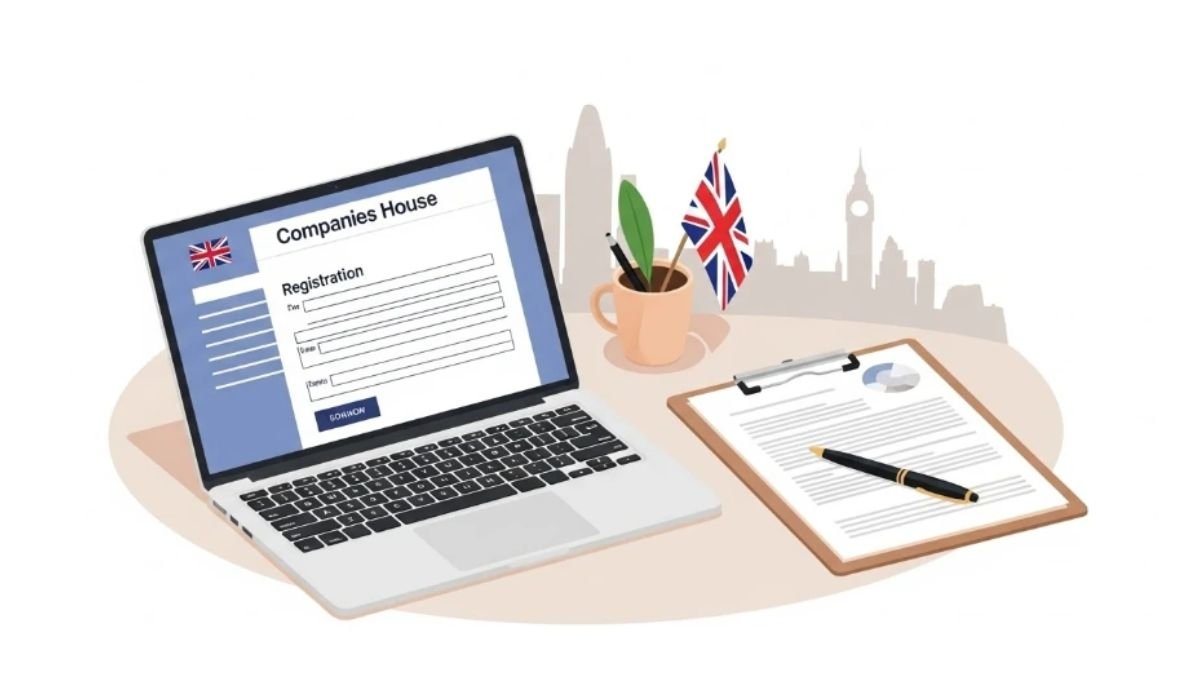
If you want to know how to register a business in the UK, the first step is to decide what type of business structure is right for you. The most common options are operating as a sole trader or setting up a limited company.
Your choice affects how you register the business, how you pay tax, your legal responsibilities and, in the case of a limited company, how the business is legally separated from its owners.
How to Register a Business in the UK
The process for registering a business in the UK depends on the structure you choose. A sole trader generally registers with HM Revenue & Customs (HMRC), while a limited company is registered with Companies House.
Before registering, consider your business name, business structure, tax responsibilities, accounting requirements and whether you need any specific licences or permits.
Choose Your Business Structure
Before learning how to register a business in the UK, you need to decide whether you will operate as a sole trader, partnership or limited company.
Sole Trader
A sole trader runs a business as an individual and is personally responsible for the business's debts and obligations.
You can start trading as a sole trader without registering a company with Companies House. However, you generally need to register for Self Assessment with HMRC if your trading income requires you to do so.
Limited Company
A limited company is legally separate from its owners. It must be registered with Companies House before it can operate as a limited company.
The company normally has its own legal identity, and directors have specific legal and reporting responsibilities.
Partnership
A traditional business partnership involves two or more people running a business together. The partners generally share responsibility for the business and its profits.
Different rules apply to limited partnerships and limited liability partnerships, so the appropriate structure should be considered carefully.
How to Register a Limited Company
If you decide to form a limited company, you will generally need to register it with Companies House.
You will need information such as:
-
Proposed company name
-
Registered office address
-
Details of directors
-
Details of shareholders
-
People with significant control
-
Company information required during registration
You will also need to choose an appropriate company structure and provide the information requested during the registration process.
Once the application is accepted, the company is officially incorporated.
Register a Business as a Sole Trader
If you are operating as a sole trader, the registration process is different.
You generally register for Self Assessment with HMRC when required. You will then be responsible for reporting your business income and expenses through your tax return.
Keeping accurate records from the beginning can make it easier to calculate your taxable profit and complete your tax obligations.
Choose a Business Name
Choosing a suitable business name is another important part of setting up a business.
If you are forming a limited company, the proposed name must meet Companies House requirements and cannot normally be the same as, or too similar to, an existing registered company name.
You should also consider whether the name conflicts with an existing trademark or other intellectual property rights.
Sole traders and partnerships can generally trade under a business name, but there are rules about how the business identifies itself to customers.
Register for Corporation Tax
A limited company normally needs to deal with Corporation Tax after it starts operating.
When you register a company with Companies House, information may be shared with HMRC. However, directors still need to understand the company's tax responsibilities and ensure that required registrations and filings are completed.
The company's Corporation Tax return and payment deadlines depend on its circumstances.
Register for VAT
Not every new business needs to register for VAT immediately.
VAT registration becomes compulsory when a business's taxable turnover exceeds the relevant registration threshold, although businesses below the threshold may sometimes choose to register voluntarily.
Before making a decision, check the current VAT threshold and registration rules on GOV.UK because tax rules and thresholds can change.
Open a Business Bank Account
A separate business bank account can make it easier to keep business transactions organised.
For a limited company, maintaining a clear separation between company finances and personal finances is particularly important because the company is a separate legal entity.
Sole traders may have more flexibility, but separating business and personal transactions can still make bookkeeping and tax reporting easier.
Check Whether You Need a Business Licence
Some businesses require specific licences, registrations or permits before they can operate.
Requirements depend on the type of business and its activities. For example, businesses involved in food, childcare, financial services, transport or certain regulated activities may have additional requirements.
Check the relevant rules for your industry before starting to trade.
Understand Your Tax Responsibilities
Tax obligations depend on the structure and activities of your business.
A sole trader generally pays Income Tax and National Insurance on taxable business profits, subject to the applicable rules.
A limited company may be liable for Corporation Tax, while directors and shareholders can have separate tax considerations depending on how they receive income from the company.
Because tax rules can be complex, professional accounting advice may be appropriate for businesses with more complicated circumstances.
How Much Does It Cost to Register a Business in the UK?
The cost depends on the type of business and the registration route.
Setting up a limited company involves a Companies House registration fee. Sole traders generally do not pay a Companies House incorporation fee because they are not forming a limited company.
Additional costs can arise from accounting services, business insurance, licences, professional advice, domain names and other business requirements.
Always check the latest official fees before registering because government charges can change.
How Long Does It Take to Register a Business?
The registration time depends on the business structure and application method.
A straightforward online limited company application can often be processed relatively quickly, while applications requiring additional information or review may take longer.
Sole traders do not go through the same company incorporation process, but registering for Self Assessment and meeting other tax requirements still takes time.
What to Do After Registering a Business
Business registration is only the beginning. After setting up your business, you may need to:
-
Set up accounting and bookkeeping systems
-
Register for relevant taxes
-
Open a business bank account
-
Arrange appropriate insurance
-
Check licences and permits
-
Create contracts and business terms
-
Protect intellectual property
-
Set up payroll if you employ staff
-
Keep required company or tax records
Limited companies also have ongoing filing and reporting obligations with Companies House and HMRC.
Common Mistakes When Registering a Business
One common mistake is choosing a business structure without considering its long-term implications.
Another is failing to keep accurate financial records from the beginning. This can make tax reporting more difficult and increase the risk of missing important deadlines.
Business owners should also avoid assuming that registration automatically gives permission to operate in a regulated industry. Additional licences or approvals may still be required.
How to Register a Business in the UK
Understanding how to register a business in the UK starts with choosing the appropriate business structure. Sole traders generally deal with HMRC, while limited companies must be incorporated through Companies House.
Before starting, check the latest government requirements, registration fees, tax rules and any industry-specific licences that apply to your business. Proper preparation can help you establish the business correctly and avoid unnecessary administrative problems later.









- How Are You Meaning in Bangla – A Simple Guide
- Tortoise: A Fascinating Creature of Patience and Longevity
- The value of `Mohanagar` stretches far beyond social media hype
- What is Amazon Digital?
- Where is the Super Bowl 2025? Your Ultimate Guide
- The Mournful Day
- How to Become a Blogger: Your Complete Guide
- When is Memorial Day 2024 USA?
- How to Become a Dermatologist: Your Complete Guide
- What is a Verb? A Deep Dive into the Heart of Language