Imran Al Mamun
UK Social Media Ban for Teenagers Trial Details: Policy, Timeline
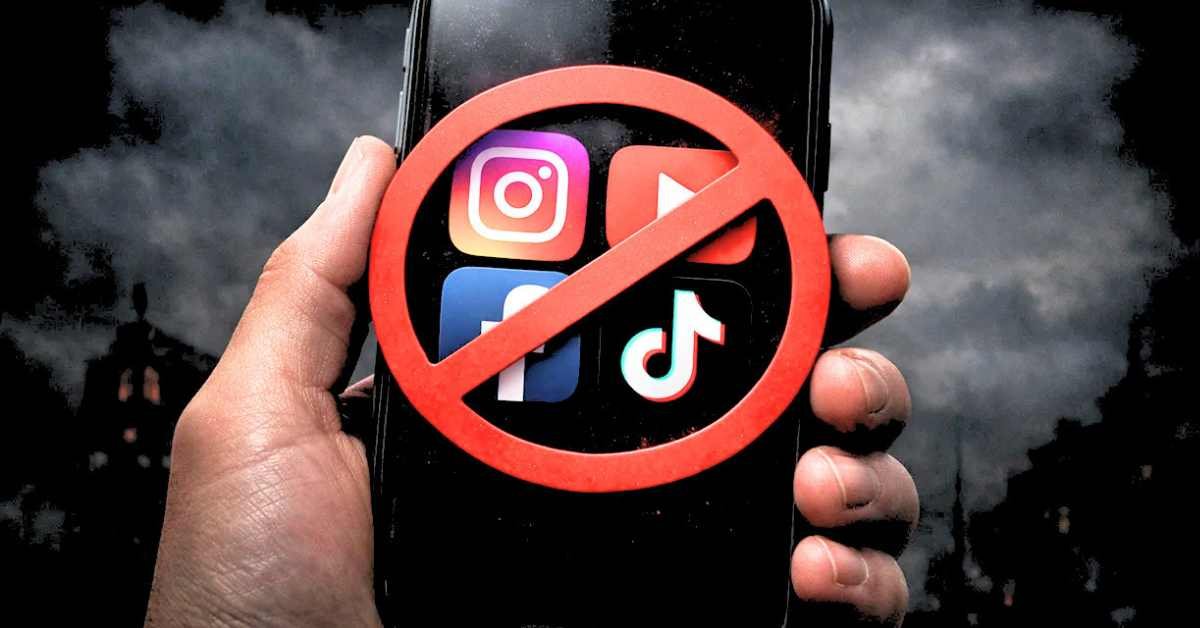
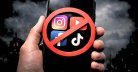
The United Kingdom is implementing a major regulatory shift regarding youth digital safety. Building upon the structural powers of the Online Safety Act 2023 and amendments introduced via the Children's Wellbeing and Schools Act 2026, the UK government has formally outlined a national policy to ban social media access for children under the age of 16 and introduce strict operational curfews for older teenagers.
Following a extensive public consultation titled "Growing up in the online world"—which garnered over 116,000 public responses—the government announced landmark regulatory proposals to restrict youth engagement on social platforms, aligning closely with models deployed in Australia.
The Master Policy Framework: Under-16 Ban vs. 16–17 Rules
The regulatory regime distinguishes between younger adolescents (under 16) and older teenagers (16 and 17). The duty of compliance rests entirely on technology companies rather than individual parents or children.
+-----------------------------------+-----------------------------------+-----------------------------------+
| Policy Parameter Category         | Target Group: Under 16 Years      | Target Group: 16 & 17 Years       |
+-----------------------------------+-----------------------------------+-----------------------------------+
| General Account Access            | Completely Banned by Default      | Allowed with Built-in Safeguards  |
| Overnight Curfew Restrictions     | Not Applicable (Complete Ban)     | Active by Default (12 AM - 6 AM)  |
| Infinite Scroll & Autoplay        | Blocked / Account Restrictions    | Disabled by Default (Opt-Out)     |
| Direct Messaging with Strangers   | Fully Blocked across All Apps     | Disabled by Default in Games/Apps |
| Live-Streaming Functionality      | Blocked across All Services       | Functionality Restricted/Gated    |
+-----------------------------------+-----------------------------------+-----------------------------------+
Scope of Platforms: Covered Services vs. Exemptions
The ban focuses on algorithmic, public-facing, user-to-user content platforms designed to maximize engagement, while carving out exemptions for direct communication tools.
1. In-Scope Social Media Platforms (Banned for Under-16s)
-
Short-Form Video & Visual Apps: TikTok, Instagram, Snapchat.
-
Broadcasting & Social Networks: YouTube, Facebook, X (formerly Twitter).
-
High-Risk Gaming Ecosystems: Online gaming hubs that feature public live-streaming, romantic AI chatbots, or unvetted adult-to-child communication features.
2. Exempted Platforms & Digital Services
-
Direct Messaging Services: WhatsApp, Signal, and basic SMS (retained so children can maintain direct contact with verified family members and known peers).
-
Educational & News Portals: Digital tools, school learning networks, and informational resources.
Technical Details: Overnight Curfews and Feature Switches
For older teenagers aged 16 and 17 who maintain active social media presence, the government announced secondary measures designed to prevent sleep disruption and addictive doom-scrolling:
-
Default Midnight Curfew: Apps like Instagram, TikTok, and YouTube will automatically restrict push notifications and access between 12:00 AM and 6:00 AM. While teenagers can manually choose to opt out of this setting, turning it on by default establishes a healthier digital baseline.
-
Removal of Infinite Scroll & Autoplay: High-engagement product mechanisms—such as endless feed scrolling and automatic video playback—will be disabled by default for 16- and 17-year-olds to prevent sleep deprivation.
-
Age Verification (AV) Enforcement: Tech platforms will be legally required to deploy advanced age-verification mechanisms. Methods under evaluation by the communications regulator Ofcom include AI-driven facial age estimation, mobile network ID checks, open banking/credit card checks, and government ID verification.
Legislative Roadmap and Implementation Timeline
The legal framework is moving through Parliament, with regulations laid under section 214A of the Online Safety Act 2023.
+-----------------------------------+-------------------------------------------------------------------+
| Timeline Phase Window             | Key Regulatory Milestone Description                              |
+-----------------------------------+-------------------------------------------------------------------+
| March – May 2026                  | Government conducts "Growing up in the online world" consultation  |
| June 15, 2026                     | PM Keir Starmer announces formal Under-16 Social Media Ban        |
| July 15, 2026                     | Announcement of Midnight Curfew & Infinite Scroll rules for 16-17|
| Late 2026                         | Final statutory regulations laid before UK Parliament             |
| Spring 2027                       | Official enforcement phase begins across all tech platforms       |
+-----------------------------------+-------------------------------------------------------------------+
Enforcement, Fines, and Public Debate
The communications regulator, Ofcom, is tasked with drafting the practical codes of practice and enforcing the ban. Social media companies that fail to take reasonable steps to prevent under-16s from opening accounts or circumventing age checks face significant financial penalties under Ofcom's statutory framework.
While public consultation data indicated that over 90% of parents backed a minimum age requirement of 16, privacy and digital rights organizations have raised technical concerns regarding data collection. Campaigners emphasize that enforcing age verification for millions of users must not lead to widespread biometric tracking or infringe on the privacy rights of adult users accessing the internet.





- SSC Exam Result 2023 with marksheet
- Opportunity to study for free at Oxford
- GST Admission : C Unit result published
- SSC Result 2026 Publish Date Announced by Education Board
- Prof Abul Anam Md. Riaz appointed new principal of MC College
- Admission to eight private universities ban
- Lifelong Learning of our Children
- HSC Exam Routine 2023
- Professor Amina Parveen new SUST treasurer
- Dhaka University | Eye News