Imran Al Mamun
Indian Cosmetic Products in Bangladesh Market Trends
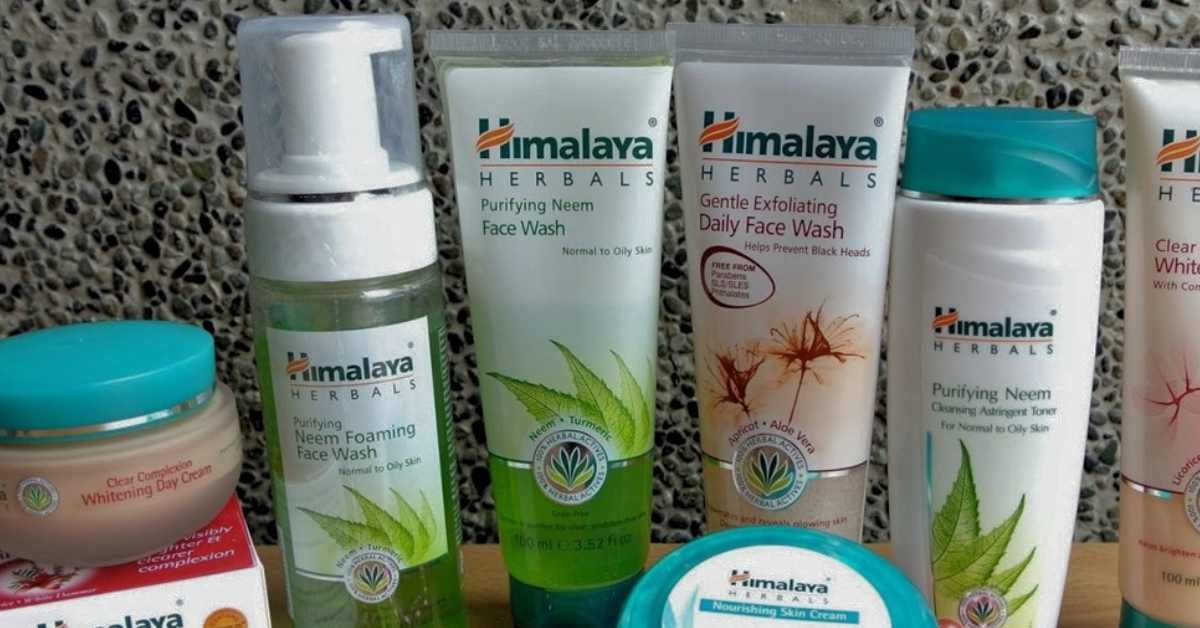
The personal care and beauty industry in Bangladesh is experiencing rapid expansion, with the total cosmetic market currently valued at over $1.2 billion and projected to cross $2.1 billion by 2027. Indian cosmetic brands occupy a massive market share in this trade due to shared climate needs, cultural proximity, skin tone compatibility, and accessible pricing.
From herbal skincare lines to mass-market color cosmetics, Indian manufacturers view Bangladesh as one of their most strategic export destinations in South Asia. However, changing tariff structures, strict regulatory standards, and supply chain dynamics present both opportunities and hurdles for cross-border trade.
Market Dynamics and Popular Indian Cosmetic Brands
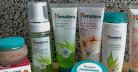
Indian cosmetics appeal to Bangladeshi consumers across diverse income demographics. The preference for Ayurvedic, natural, and dermatologically tested ingredients has bolstered the demand for top Indian personal care exports.
| Category | Key Indian Brands Operating in BD | Primary Consumer Appeal |
| Herbal & Natural Skincare | Himalaya Herbal, Biotique, Lotus Herbals | Chemical-free, neem/turmeric bases, affordable daily care |
| Color Cosmetics | Lakmé, Sugar Cosmetics, Insight | Asian undertone range, long-wearing formulas, budget-friendly |
| Hair & Personal Hygiene | Emami (Fair & Handsome, Navratna), Godrej, Dabur | Strong brand heritage, high distribution reach |
| Dermatological Care | Skya Transdermic, Glenmark Pharma lines | Targeted treatments for hyperpigmentation and acne |
Latest News and Regulatory Trade Landscape
Understanding the current regulatory framework is essential for international traders, distributors, and market analysts. Recent economic decisions by Bangladesh’s National Board of Revenue (NBR) and law enforcement actions have significantly altered the market environment.
1. High Tariff Valuations and Tax Structures
Imported cosmetics in Bangladesh face heavy taxation, reaching up to 184% in combined duties and minimum tariff valuations. The Bangladesh Cosmetics and Toiletries Importers Association (BCTIA) has voiced strong concerns over recent tariff increases, highlighting that inflated valuations exceed actual international wholesale prices and squeeze legitimate trade channels.
2. Rise in Smuggling and Border Seizures
Due to steep customs tariffs, grey-market imports and unauthorized cross-border trade have surged. In recent operations, the Border Guard Bangladesh (BGB) intercepted smuggled Indian cosmetics worth millions of Taka—including a major seizure of Taka 1.25 crore in Habiganj concealed within transport oil tankers. These strict border checks reflect Bangladesh's commitment to curbing illegal trade and protecting tax revenues.
3. Regulatory Standards and BSTI Certification
To lawfully import and sell cosmetics in Bangladesh, products must comply with the guidelines set by the Bangladesh Standards & Testing Institution (BSTI) and the Directorate General of Drug Administration (DGDA) for specialized products. Key mandatory provisions include:
-
BSTI Quality Clearance: Chemical composition must conform to national safety levels regarding heavy metals and prohibited whitening chemicals.
-
Indelible Importer Labeling: At least 2% of packages must carry the importer’s name, address, Business Identification Number (BIN), and Taxpayer Identification Number (TIN) in permanent print.
-
Dermatological Validation: Skin-whitening and medicated creams undergo strict screening to stop the sale of illicit steroid-infused products.
Key Drivers Boosting Indian Cosmetics in Bangladesh
Several macro factors explain why Indian personal care products maintain high velocity across Bangladeshi retail outlets and e-commerce platforms:
-
Shared Skincare Requirements: Consumers in both countries face humid tropical weather, making lightweight formulations, oil-control facewashes, and sunscreens equally popular.
-
Accessible Price Points: Compared to Western or Korean beauty (K-Beauty) alternatives, Indian brands provide comparable formulation quality at significantly lower price points.
-
Established Distribution Networks: Major Indian conglomerates utilize well-established regional supply networks, ensuring products reach tier-2 and tier-3 cities in Bangladesh beyond Dhaka and Chattogram.
Strategic Outlook for Importers and Brands
For international entities entering this space, navigating compliance is the primary factor for long-term viability. Operating via legal import routes with complete BSTI registration, explicit importer labeling, and proper invoice declaration ensures brand safety against border confiscation and counterfeit claims. As Bangladesh moves toward higher regulatory scrutiny, formalizing trade partnerships remains the most sustainable strategy for capturing South Asia's booming personal care market.








- SSC Exam Result check 2026 Bangladesh
- NU Degree Result 2026 Bangladesh: Full Guide
- India Tourist Visa for Bangladeshis Resumes From May 6
- Eid al Fitr 2026 UAE Dates Confirmed and Expected Globally
- Dubai-bound flight catches fire after taking off from Nepal
- Turkey`s homegrown 5th-generation fighter jet named KAAN
- Shihab Chottur reaches Makkah from India in 12 months
- Cleaner Job Circular 2026 Saudi Arabia Latest Hiring Update
- Eid Ul Adha 2023 in Saudi Arabia!
- India gets new parliament building