Imran Al Mamun
Viral AI Voice 2026 Top Generative Audio Models and Creator
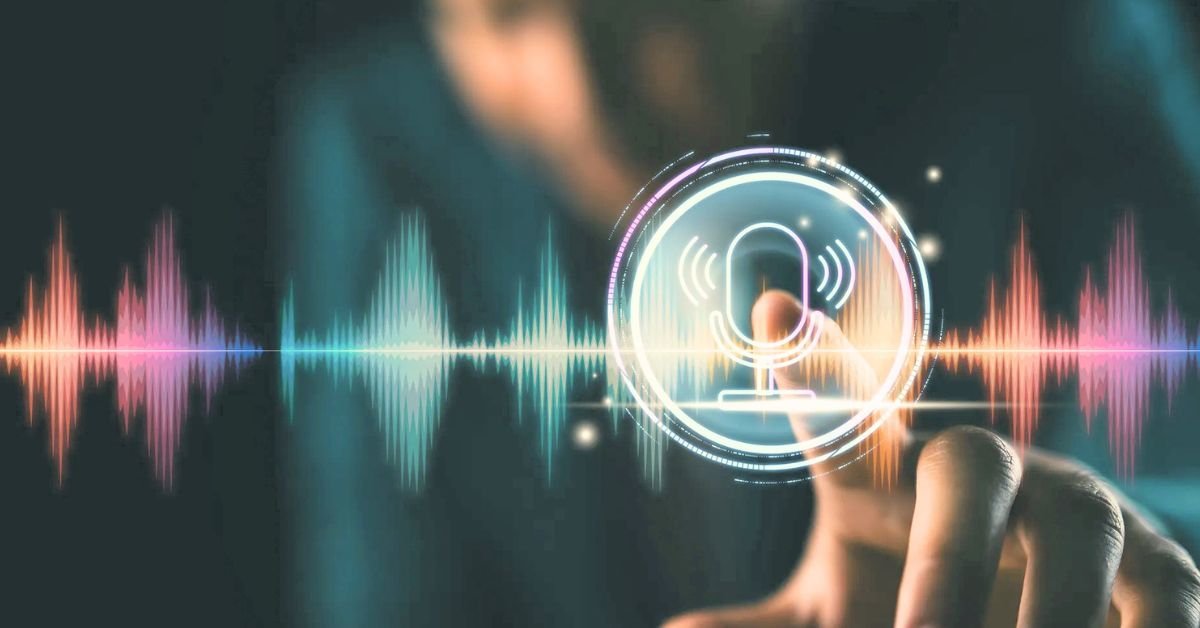
Synthetic speech synthesis has moved past monotone, robotic narration into hyper-expressive vocal performance. Driven by zero-shot prosody transfer, real-time emotion steerability, and sub-100 millisecond latencies, AI voice engines dominate content creation across short-form video, automated docuseries, and digital-twin podcasting.
For creators and media brands targeting international algorithmic distribution, understanding which generative audio architectures deliver maximum viewer retention is essential.
The Leading AI Voice Engines Fueling 2026 Content
┌──────────────────────────────┬──────────────────────────────┬──────────────────────────────┐
│    Hyper-Realist Narration   │   Steerable Emotion Models   │     Ultra-Low Latency API    │
│  • ElevenLabs (Eleven v3)    │  • Hume AI (Octave Engine)   │  • Cartesia (Sonic Core)     │
│  • Studio-grade voice clones │  • Dynamic prosody & affect  │  • Sub-100ms real-time audio │
└──────────────────────────────┴──────────────────────────────┴──────────────────────────────┘
1. ElevenLabs (Eleven v3 Architecture)
The industry benchmark for long-form narrative consistency and instant voice cloning. Eleven v3 interprets punctuation and emotional tags with human-like breathing, micro-pauses, and natural vocal fry, making it the dominant tool for automated YouTube documentaries, video essays, and localized global dubbing.
-
Core Strength: Flawless zero-shot cloning from 30-second audio clips and support for over 70 languages without losing speaker identity.
-
Algorithmic Edge: High vocal warmth and crisp dynamic range that prevents listener audio fatigue.
2. Hume AI (Octave & EVI 3 Framework)
Built directly on an emotion-first language model, Hume’s Octave engine does not just render text—it understands conversational context. It dynamically modulates pitch, vocal tremolo, whispering, and urgency based on semantic cues.
-
Core Strength: Granular control over emotional registers (e.g., sarcasm, quiet grief, breathless excitement) without manual phonetic editing.
-
Algorithmic Edge: Ideal for dramatic TikTok point-of-view (POV) storytelling and high-stakes narrative voiceovers.
3. Cartesia (Sonic Architecture)
Engineered for ultra-fast, stateful conversational workflows, Cartesia Sonic leads the industry in latency reduction, delivering audio streams in under 90 milliseconds.
-
Core Strength: Real-time conversational responsiveness that eliminates unnatural pauses in automated dialogue.
-
Algorithmic Edge: Powers interactive live-stream avatars, real-time gaming NPCs, and rapid-fire podcast co-hosts.
4. OpenAI Advanced Voice System
Focusing on conversational authenticity, turn-taking, and subtle human vocal mannerisms (including laughter, self-correction, and interjections), OpenAI's voice models excel at unscripted, natural dialogue flows.
-
Core Strength: Direct prompt steerability (e.g., "Speak like an exhausted late-night detective") without audio post-processing.
-
Algorithmic Edge: Drives seamless interview-style content and casual explainer formats.
Viral Voice Archetypes Dominating Social Media Feeds
-
The Gritty Deep-Baritone Docuseries Voice: A warm, cinematic, slightly gravelly tone with deliberate pauses. Used for historical explainers, true-crime breakdowns, and philosophical reels.
-
The Rapid-Fire Analytical Commentator: An articulate, punchy neutral accent delivered at 1.15x speed. Used for financial breakdowns, AI technology news, and viral reddit story recaps.
-
The Intimate Asmr / Whispered Confessional: A breathy, close-mic vocal style engineered with high dynamic compression. Widely used for aesthetic mood boards, mental health check-ins, and personal narrative shorts.
-
The Stylized Character Satire / Nostalgia Voice: Vintage mid-century radio announcers or comedic caricatures generated via zero-shot vocal cloning to anchor viral parody content.
Generative Voice Model Performance Benchmark
| Model & Engine | Primary Strength | Latency Profile | Emotion & Prosody Control | Primary Viral Use Case |
| ElevenLabs v3 | Studio-grade realism & dubbing | Medium (~250ms) | Tag-based & punctuation cues | YouTube Video Essays, Audiobooks |
| Hume AI Octave | Semantic emotional empathy | Medium (~200ms) | Parameter-steered affect & tone | Dramatic Storytelling, TikTok POVs |
| Cartesia Sonic | High-throughput speed & streaming | Real-Time (<90ms) | Fixed natural prosody | Interactive Avatars, Rapid Edits |
| OpenAI Voice | Fluid conversational turn-taking | Fast (~160ms) | Natural language prompt instruction | Podcast Co-Hosting, Interview Formats |
| Kokoro / Open-Weights | Self-hosted & zero-cost scaling | Local hardware bound | Baseline prosody control | High-volume automated meme channels |
Technical Prompt Framework for Maximizing Audio Retention
To generate viral voice tracks that evade the "uncanny valley" and maintain high viewer watch times, structure speech prompts using the five-slot voice engineering standard:
-
Character Definition: Define the persona baseline (e.g., Middle-aged wildlife biologist with a quiet, authoritative cadence).
-
Contextual Affect: Specify emotional intensity (e.g., Deliver with subtle awe and calculated suspense).
-
Pacing and Cadence Cues: Insert deliberate commas, em-dashes (
—), and ellipses (...) to force the neural model to take natural breaths rather than reading in a flat stream. -
Phonetic Overrides: Use phonetic spelling for complex technical terms, foreign names, or industry jargon to prevent pronunciation artifacts.
-
Post-Processing Chain: Apply a high-pass filter at 80 Hz, subtle multi-band compression, and -14 LUFS loudness normalization to match YouTube and TikTok audio standards.
Algorithmic Compliance and Watermarking Rules
Major platforms now enforce strict synthetic media labeling:
-
C2PA & SynthID Standards: Both YouTube and TikTok automatically scan for embedded cryptographic audio watermarks and require creators to toggle the "Altered or Synthetic Content" disclosure tag on fully AI-voiced videos.
-
Monetization Protection: Content generated using generic stock AI voices without value-add original visuals risks being flagged under YouTube's "Repetitive or Reused Content" guidelines. High-performing creators avoid this by combining unique custom voice clones with original pacing, bespoke sound design, and layered Foley effects.









- SSC Exam Result check 2026 Bangladesh
- NU Degree Result 2026 Bangladesh: Full Guide
- India Tourist Visa for Bangladeshis Resumes From May 6
- Eid al Fitr 2026 UAE Dates Confirmed and Expected Globally
- Cleaner Job Circular 2026 Saudi Arabia Latest Hiring Update
- Dubai-bound flight catches fire after taking off from Nepal
- Turkey`s homegrown 5th-generation fighter jet named KAAN
- Shihab Chottur reaches Makkah from India in 12 months
- Malaysia Calling Visa 2026: Policy Updates, Application Process
- Eid Ul Adha 2023 in Saudi Arabia!