Imran Al mamun
Middle East tension rises sharply in 2026 amid global concern
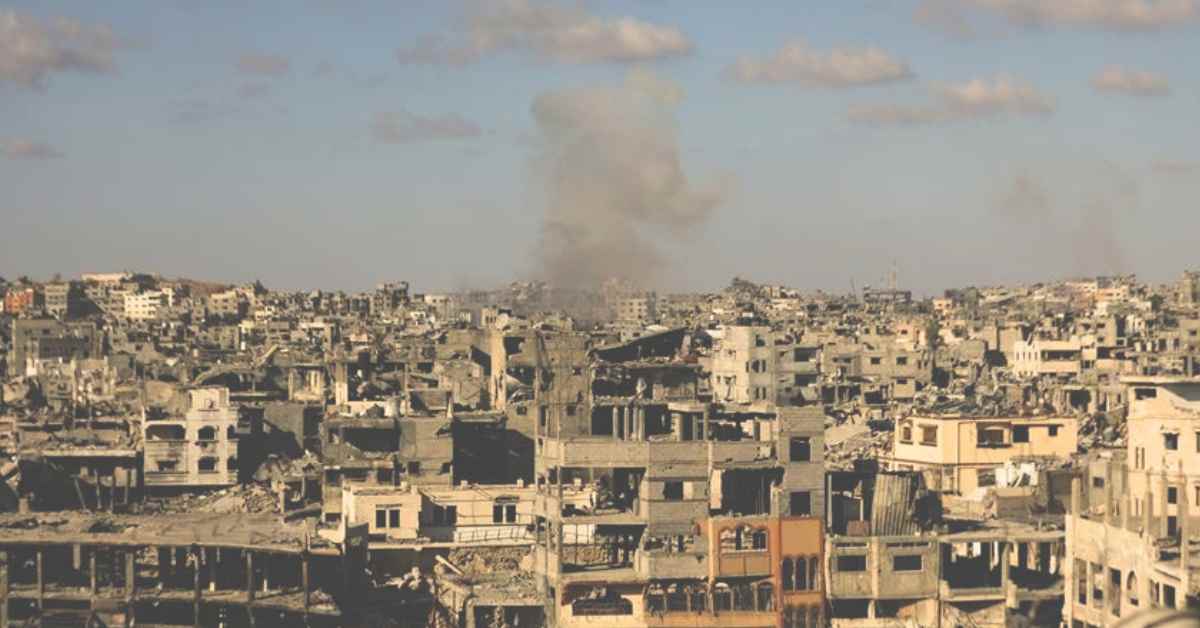
Middle East tension has entered a new and more volatile phase in 2026, as a series of political, military, and strategic developments continue to reshape the regional landscape. What began as isolated incidents has now evolved into a broader pattern of instability, raising serious concerns among global powers and international observers.
The region, long known for its complex geopolitical dynamics, is once again at the center of global attention. Analysts warn that the current trajectory could lead to significant consequences not only for the Middle East but for the entire world.
Long-Standing Rivalries Fuel the Crisis
The roots of the current Middle East tension lie in decades of political rivalry, ideological differences, and competition for regional dominance. Several countries in the region have historically been involved in proxy conflicts, strategic alliances, and disputes over territory and influence.
Control over energy resources, particularly oil and gas, has also played a major role in shaping tensions. As global demand for energy continues to fluctuate, the strategic importance of the Middle East remains as critical as ever.
In addition, shifting alliances and emerging regional powers have added new layers of complexity, making the situation more unpredictable.
Recent Developments: A Rapid Escalation
Over the past few weeks, multiple developments have contributed to a sharp rise in Middle East tension.
Military activities have increased near key border areas, with reports indicating troop movements and heightened defense readiness. Surveillance operations have intensified, and there have been claims of drone and missile incidents in sensitive zones.
Although official statements from involved parties remain cautious, the pattern of activity suggests a growing risk of confrontation. In several instances, defense systems have reportedly been placed on high alert, signaling concerns about potential escalation.
At the same time, communication between rival sides appears limited, raising fears that misunderstandings or miscalculations could trigger a larger conflict.
Diplomatic Efforts and Global Reactions
The international community has responded with increasing urgency. The United Nations has called for immediate restraint and emphasized the importance of dialogue to prevent further escalation.
Several major powers have also issued statements urging all parties to avoid provocative actions. Diplomatic channels are being actively used to reduce tensions, but progress remains slow.
Behind the scenes, negotiations and back-channel communications are reportedly ongoing. However, deep-rooted mistrust between key actors continues to pose a major obstacle to meaningful resolution.
Impact on Global Economy and Energy Markets
One of the most immediate consequences of rising Middle East tension is its impact on the global economy. Energy markets, in particular, have shown signs of volatility.
Oil prices have reacted to uncertainty in the region, as investors anticipate possible disruptions to supply. Even minor incidents can trigger significant market responses due to the strategic importance of Middle Eastern energy routes.
Countries that rely heavily on imported energy are closely monitoring the situation. A prolonged period of instability could lead to higher fuel costs, inflationary pressure, and slower economic growth in various parts of the world.
In addition, global shipping routes that pass through critical waterways in the region could be affected, further complicating international trade.
Security Concerns and Risk of Wider Conflict
Security experts warn that the current situation carries a real risk of broader conflict. While no full-scale war has been declared, the increasing frequency of military activity raises the likelihood of unintended escalation.
One of the key concerns is the possibility of a chain reaction, where a single incident could draw multiple countries into a larger confrontation. Given the number of alliances and partnerships in the region, such a scenario could quickly expand beyond local boundaries.
There is also concern about the use of advanced military technologies, including drones and precision-guided systems, which can increase both the speed and intensity of conflict.
Humanitarian Implications
Beyond political and economic consequences, rising Middle East tension also has serious humanitarian implications. Civilians living in high-risk areas face uncertainty, displacement, and potential disruption to essential services.
Humanitarian organizations are preparing for possible emergencies, including shortages of food, water, and medical supplies. In previous conflicts, such conditions have led to large-scale displacement and long-term social challenges.
Protecting civilian populations remains a major concern for the international community, particularly if the situation continues to deteriorate.
Experts generally outline three potential scenarios for how the situation may evolve.
The first is a controlled de-escalation, where diplomatic efforts succeed in reducing tensions and restoring a degree of stability. This would likely involve negotiations, confidence-building measures, and international mediation.
The second scenario is a prolonged period of tension, where no major conflict occurs but instability continues. In this case, the region could experience ongoing uncertainty, affecting both local populations and global markets.
The third and most serious possibility is a major escalation, involving direct military confrontation between key actors. Such a development would have significant global consequences and could reshape international relations.
At present, it remains unclear which path the situation will take.
Why This Matters Globally
Middle East tension is not confined to one region; its effects are felt worldwide. From energy security to international trade and global diplomacy, the implications are far-reaching.
Any disruption in the Middle East can influence fuel prices, supply chains, and financial markets. Governments and businesses around the world are therefore closely monitoring developments and preparing for various scenarios.
The interconnected nature of the global economy means that instability in one region can quickly impact others.
As of now, Middle East tension continues to rise, with no immediate resolution in sight. While diplomatic efforts are ongoing, the situation remains fragile and unpredictable.
The coming weeks will be critical in determining whether tensions can be reduced or whether the region will move closer to a broader conflict. Until then, the world watches closely as events unfold in one of the most strategically important regions on the planet.










- SSC Exam Result check 2026 Bangladesh
- NU Degree Result 2026 Bangladesh: Full Guide
- India Tourist Visa for Bangladeshis Resumes From May 6
- Eid al Fitr 2026 UAE Dates Confirmed and Expected Globally
- Dubai-bound flight catches fire after taking off from Nepal
- Turkey`s homegrown 5th-generation fighter jet named KAAN
- Shihab Chottur reaches Makkah from India in 12 months
- Cleaner Job Circular 2026 Saudi Arabia Latest Hiring Update
- Eid Ul Adha 2023 in Saudi Arabia!
- India gets new parliament building