
Imran Al mamun
Saudi Arabia Kafala System Reforms and Impact on Foreign
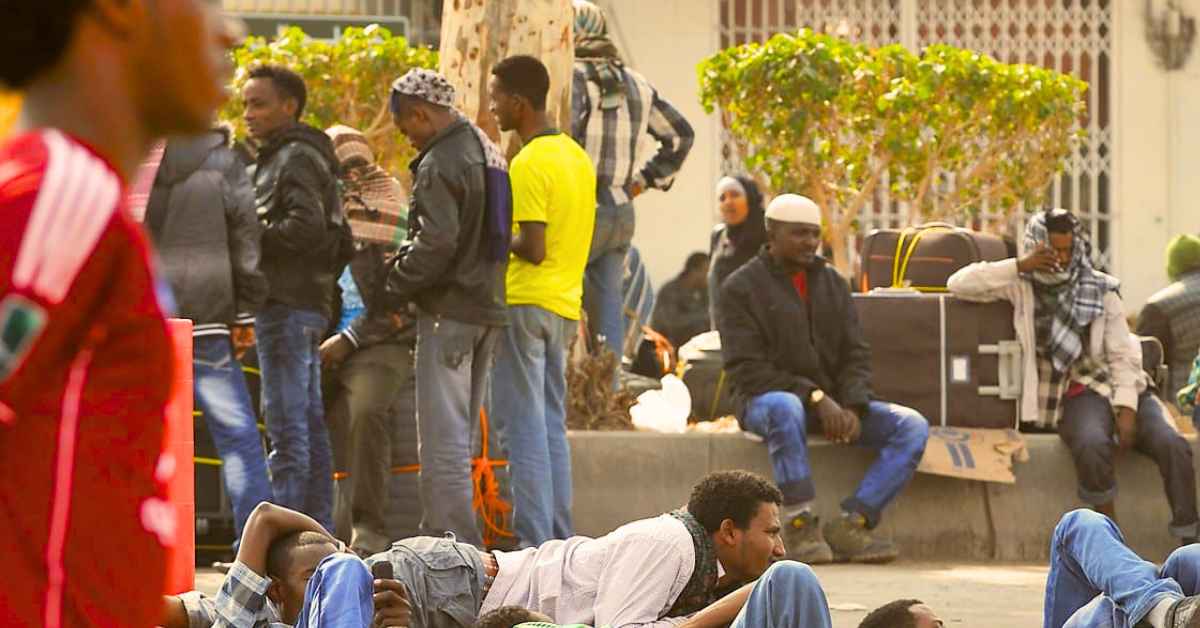
The Saudi Arabia Kafala System has long been a defining feature of the Kingdom’s labor structure, particularly for millions of foreign workers employed across sectors such as construction, domestic work, and hospitality. In recent years, however, the system has come under intense international scrutiny, prompting the government of Saudi Arabia to introduce significant reforms aimed at improving worker mobility and rights.
As global demand for overseas employment continues to rise, understanding the current status of the kafala system is essential for international job seekers, policymakers, and human rights observers.
What Is the Kafala System?
The kafala system is a sponsorship-based employment framework that ties a foreign worker’s legal residency to their employer, commonly known as the “kafeel.” Under this system, workers historically required employer permission to change jobs, leave the country, or even renew their residency permits.
Originally designed to regulate labor migration, the system has been widely criticized for creating power imbalances and limiting worker freedom. Concerns raised by organizations such as Human Rights Watch and Amnesty International have brought global attention to its impact.
Major Reforms Introduced in Recent Years
In response to international pressure and internal economic goals, Saudi Arabia launched a series of labor reforms under its Vision 2030 initiative. These changes aim to modernize the labor market and make the country more attractive to foreign talent.
Key reforms include allowing workers to change jobs without employer consent under certain conditions, introducing exit and re-entry visa flexibility, and enabling digital contract management systems. These updates have reduced some of the strict controls traditionally associated with the kafala system.
Despite these improvements, experts note that reforms are still evolving, and full implementation varies across sectors.
Impact on Foreign Workers
The changes to the Saudi Arabia Kafala System have had a mixed impact. On one hand, skilled workers and professionals now enjoy greater mobility and transparency in employment contracts. On the other hand, low-income workers, particularly domestic employees, often remain vulnerable due to limited legal protections.
Reports suggest that while reforms have improved conditions in formal sectors, challenges persist in enforcement and awareness. Workers from countries in South Asia and Africa continue to form a significant portion of the labor force in Saudi Arabia.
Economic and Global Implications
Saudi Arabia relies heavily on foreign labor to sustain its economic growth. From mega infrastructure projects to service industries, expatriates play a critical role in the Kingdom’s development.
The gradual reform of the kafala system is also part of a broader strategy to align with international labor standards and improve the country’s global image. As competition for skilled workers intensifies worldwide, labor policies are becoming a key factor in attracting talent.
Despite progress, the Saudi Arabia Kafala System still faces criticism from international communities. Advocacy groups argue that loopholes in the system can still be exploited, particularly in cases where workers lack access to legal support.
Transparency, enforcement of labor laws, and protection for domestic workers remain areas of concern. Observers emphasize that sustained reform and accountability are necessary to ensure long-term change.
The future of the Saudi Arabia Kafala System appears to be shifting toward a more flexible and regulated framework. Continued reforms are expected as the government balances economic needs with international expectations.
For foreign workers, staying informed about policy updates and understanding their rights is crucial before seeking employment in the Kingdom. As Saudi Arabia moves forward with modernization efforts, the evolution of its labor system will remain a topic of global importance.
The Saudi Arabia Kafala System is undergoing a significant transformation, reflecting both internal policy shifts and external pressure for reform. While notable progress has been made, the system continues to evolve, with challenges that require ongoing attention.
For international audiences, this issue highlights the complex relationship between labor migration, economic development, and human rights in one of the world’s most influential regions.










- SSC Exam Result check 2026 Bangladesh
- NU Degree Result 2026 Bangladesh: Full Guide
- India Tourist Visa for Bangladeshis Resumes From May 6
- Eid al Fitr 2026 UAE Dates Confirmed and Expected Globally
- Dubai-bound flight catches fire after taking off from Nepal
- Turkey`s homegrown 5th-generation fighter jet named KAAN
- Shihab Chottur reaches Makkah from India in 12 months
- Cleaner Job Circular 2026 Saudi Arabia Latest Hiring Update
- Eid Ul Adha 2023 in Saudi Arabia!
- India gets new parliament building