Imran Al mamun
The New York Times Newspaper Today 2026 – Front Page, Headlines
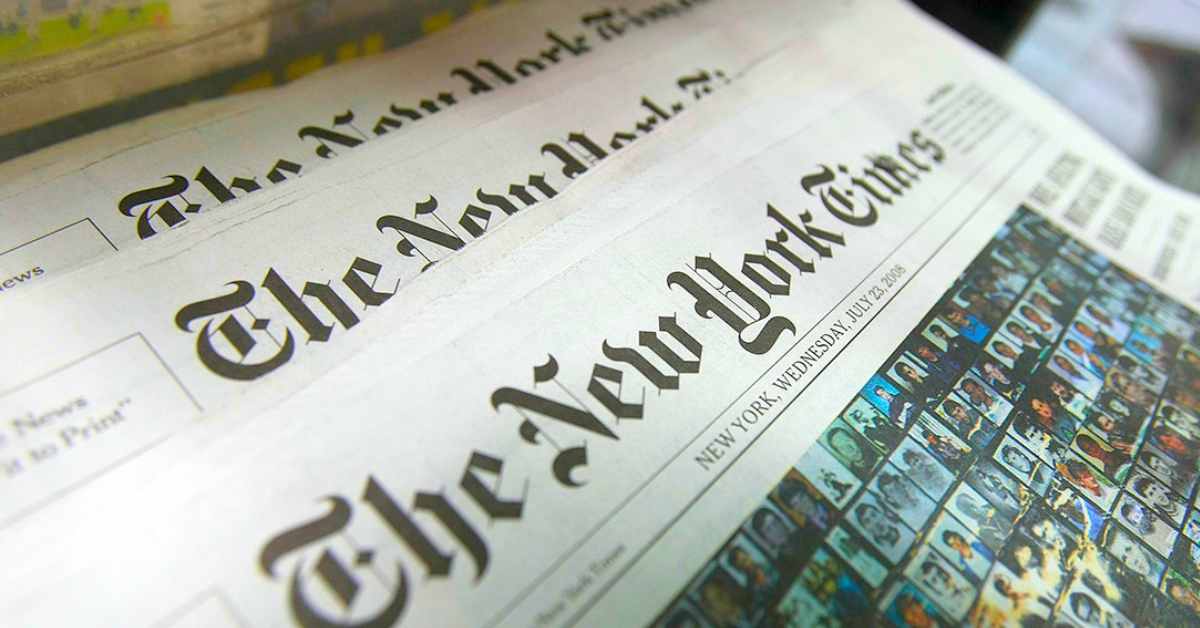
The New York Times newspaper today remains one of the most influential and widely read global news sources in 2026, delivering continuous updates on international affairs, politics, economy, technology, and major world events.
Readers searching for The New York Times today are usually interested in the latest front page news, breaking headlines, international edition coverage, and real-time updates from the United States and around the world.
The newspaper has transformed significantly in recent years, moving from a traditional print-focused publication to a fully digital, continuously updating news platform. In 2026, The New York Times is no longer limited to a single daily issue; instead, it operates as a live news ecosystem where stories are updated throughout the day based on global developments.
The New York Times front page today typically highlights the most important global stories. These include major political developments in the United States, international conflicts, economic changes, climate issues, and major investigative reports. The front page is carefully curated by senior editors who decide which stories have the highest global impact and relevance. As a result, the front page serves as a snapshot of the world’s most significant events at any given moment.
In many recent editions, global geopolitical tensions and diplomatic developments have taken center stage. Coverage related to Ukraine and President Volodymyr Zelensky continues to appear frequently in New York Times reporting, especially focusing on international negotiations, military aid discussions, and European Union policy decisions. The newspaper often highlights diplomatic efforts, financial support packages, and global reactions to ongoing conflicts, making it a key source for understanding international relations.
The New York Times headlines today reflect a wide range of pressing global issues. Political news from Washington remains highly prominent, especially around policy changes, elections, and government decisions affecting both domestic and international affairs. Alongside this, economic reporting plays a crucial role, with coverage of inflation trends, global trade disruptions, energy markets, and financial system stability.
Technology is another major focus area in 2026. Artificial intelligence regulation, data privacy concerns, and the influence of major tech companies on global communication systems frequently appear in New York Times headlines. As digital transformation accelerates worldwide, the newspaper has increased its coverage of how technology is reshaping economies, labor markets, and social structures.
Climate and environmental issues also remain central to the newspaper’s reporting. Extreme weather events, global warming policies, carbon emission targets, and sustainability initiatives are regularly featured. These stories often connect scientific research with political action, showing how climate change is influencing both national policies and international agreements.
The New York Times international edition today is designed for readers outside the United States and places greater emphasis on global reporting. While the U.S. edition focuses heavily on domestic politics and local developments, the international edition highlights events in Europe, Asia, Africa, and the Middle East. It provides broader context on global conflicts, economic shifts, and cross-border policy decisions that affect multiple regions simultaneously.
European Union decisions, Asian economic growth, African development challenges, and Middle Eastern diplomacy are frequently covered in the international edition. This global perspective has made the newspaper a trusted source for readers who want to understand world events beyond national boundaries.
One of the most consistent topics in The New York Times coverage in 2026 is the Ukraine conflict and President Volodymyr Zelensky’s diplomatic efforts. Reporting often focuses on international military support, negotiations with Western allies, and discussions surrounding frozen Russian assets. These stories highlight the complex geopolitical environment and the ongoing efforts to reach diplomatic solutions while maintaining security and economic stability in the region.
Another frequently searched topic is the timing of the newspaper’s updates, often described as “New York Times now AM or PM.” In reality, The New York Times operates continuously in the digital era. The print edition is typically finalized overnight based on U.S. Eastern Time, but digital updates occur throughout the day. Morning updates often reflect global overnight developments, while evening updates include breaking news from the United States and international responses. This continuous cycle ensures that readers always have access to the latest information regardless of time zone.
Readers also often search for the New York Times front page today in PDF format. The PDF version represents a digital replica of the printed newspaper, including the front page and full sections such as international news, business, arts, and opinion. This format is especially popular among academic readers, researchers, and international subscribers who prefer offline access or printable versions of the newspaper. In 2026, PDF editions continue to be released daily for subscribers as part of the digital subscription package.
The New York Times English edition remains the primary language version for global audiences. Its clear and formal journalistic style allows readers from different countries to access complex global stories with clarity. English remains the dominant language of international journalism, and The New York Times plays a major role in shaping global news discourse through its reporting standards and editorial practices.
Economically, The New York Times holds significant influence in global media markets. Its investigative journalism often impacts financial markets, government decisions, and public opinion. Major investigative reports can trigger political debates, regulatory discussions, and even stock market reactions. This level of influence demonstrates the newspaper’s continued importance in shaping global awareness and decision-making.
In the modern media landscape of 2026, reader behavior has changed significantly. Most users access The New York Times through mobile devices, digital subscriptions, and real-time notifications. Social media platforms also amplify headlines, making news consumption faster and more fragmented. Despite these changes, the newspaper has maintained its reputation as a trusted and authoritative source of journalism.
Looking ahead, The New York Times is expected to continue evolving between 2026 and 2032. Artificial intelligence is likely to play a larger role in journalism workflows, including data analysis, fact-checking, and content personalization. The publication is also expected to expand its international presence, strengthen multimedia storytelling, and develop more interactive news formats to engage digital audiences.
In conclusion, The New York Times newspaper today in 2026 continues to serve as a leading global news authority. From front page headlines to international edition reporting, from Zelensky-related geopolitical coverage to economic and technological analysis, the newspaper provides comprehensive insight into the world’s most important developments. Whether accessed in print, digital, or PDF format, The New York Times remains a central source of trusted journalism for readers worldwide.









- SSC Exam Result check 2026 Bangladesh
- NU Degree Result 2026 Bangladesh: Full Guide
- India Tourist Visa for Bangladeshis Resumes From May 6
- Eid al Fitr 2026 UAE Dates Confirmed and Expected Globally
- Dubai-bound flight catches fire after taking off from Nepal
- Turkey`s homegrown 5th-generation fighter jet named KAAN
- Shihab Chottur reaches Makkah from India in 12 months
- Cleaner Job Circular 2026 Saudi Arabia Latest Hiring Update
- Eid Ul Adha 2023 in Saudi Arabia!
- India gets new parliament building