Imran Al mamun
Switzerland Travel Costs in 2026
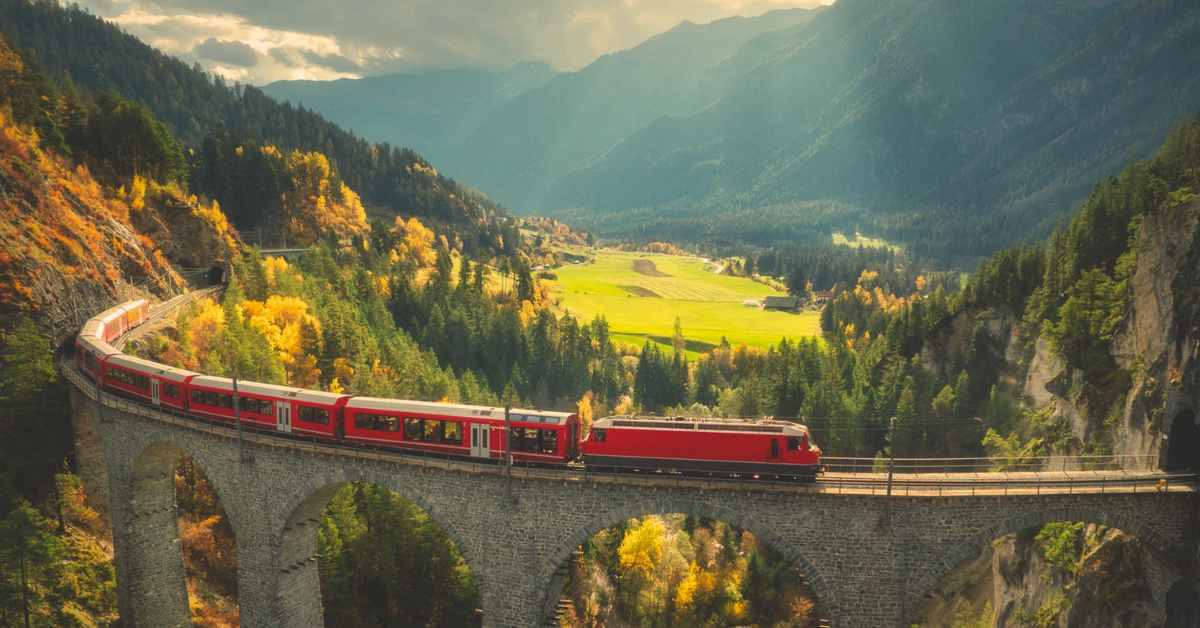
Planning a trip to Switzerland? One of the first questions travelers ask is: How much does Switzerland travel cost? Switzerland is famous for breathtaking mountains, luxury trains, beautiful lakes, and clean cities. It is also known as one of the most expensive countries in Europe for tourists.
The good news is that Switzerland can fit different budgets if you plan carefully. Whether you are a backpacker, solo traveler, couple, or luxury tourist, this guide explains real Switzerland travel costs in 2026 including hotels, food, transport, attractions, and smart ways to save money.
Is Switzerland Expensive for Tourists?
Yes, Switzerland is generally expensive compared to many countries. However, travelers often feel the high quality of services, safety, public transport, and natural beauty make the cost worth it.
Average daily travel costs depend on your style. Budget travelers may spend around $90 to $150 per day. Mid-range travelers often spend $180 to $350 daily. Luxury travelers can easily spend $500 or more each day.
Switzerland Visa and Entry Costs
Visitors from many countries may need a Schengen visa to enter Switzerland. The visa fee is usually around $95. Travel insurance may cost between $20 and $80 depending on coverage. Flight prices vary widely based on country and season, but many travelers spend between $400 and $1,200 for return tickets.
Flights are usually cheaper during off-season months such as November or March.
Accommodation Costs in Switzerland
Hotels are one of the largest travel expenses in Switzerland.
Hostel dorm beds usually cost $40 to $70 per night. Budget hotel rooms range from $90 to $150. Shared Airbnb stays can cost $60 to $120.
Mid-range hotels often charge $180 to $280 per night. Boutique hotels may cost $220 to $350.
Luxury hotels usually begin around $450 per night and can exceed $1,000 in premium locations.
Cities such as Zurich, Geneva, and Lucerne are often more expensive than smaller towns.
Food Costs in Switzerland
Eating out in Switzerland can be expensive, but affordable options are available.
A bakery breakfast may cost $6 to $12. Sandwiches often cost $8 to $15. Supermarket ready meals range from $10 to $18. Fast food combos may cost $14 to $20.
A casual restaurant meal often costs $25 to $40. A three-course dinner can range from $50 to $90. Fine dining restaurants may charge $100 or more per person.
Many travelers save money by buying food from supermarkets like Coop, Migros, or Aldi.
Transportation Costs in Switzerland
Switzerland has one of the best transport systems in the world. Trains are fast, clean, and reliable.
Local bus or tram tickets usually cost $3 to $6. Day passes often range from $10 to $20.
Intercity train tickets depend on route. Zurich to Lucerne may cost $25 to $40. Zurich to Interlaken can cost $45 to $70. Geneva to Zermatt may range from $60 to $100.
Many tourists buy the Swiss Travel Pass, which offers unlimited travel on trains, buses, and boats. A three-day pass may cost around $280. Longer passes cost more but can save money for travelers visiting several cities.
Attraction Costs in Switzerland
Switzerland offers many free natural attractions, but some famous experiences are costly.
A Jungfraujoch excursion may cost $150 to $250. Mount Titlis cable car tickets often cost $100 to $130. Matterhorn Glacier Paradise may cost $110 to $150. Lake cruises usually range from $25 to $60. Museums often charge $10 to $25.
Many visitors combine free hiking trails with one or two paid mountain trips.
Switzerland Travel Cost for 7 Days
A budget traveler spending seven days in Switzerland may need around $890 including hostels, food, transport, and attractions.
A mid-range traveler may spend around $2,420 with hotels, restaurant meals, transport, and popular sightseeing.
Luxury travelers can easily spend $6,000 or more in one week depending on hotels and experiences.
Cheapest Time to Visit Switzerland
Travelers who want lower Switzerland travel costs should consider visiting during November, early December, March, or April. Hotels and flights are often cheaper during these months.
Peak prices are common in July, August, Christmas season, and busy ski months.
How to Save Money in Switzerland
Using a Swiss Travel Pass can reduce transport costs if you visit several cities. Staying outside major cities often lowers hotel prices. Shopping at supermarkets helps reduce food expenses. Swiss tap water is safe and free, which saves money on drinks. Booking hotels and trains early often gives better prices. Free activities such as hiking, lakeside walks, and exploring villages can greatly reduce your total budget.
Best Cities for Different Budgets
Zurich, Geneva, and Zermatt are usually among the most expensive destinations.
Bern, Basel, Lausanne, and some areas near Interlaken can offer better value when planned properly.
Is Switzerland Worth the Cost?
Yes, many travelers believe Switzerland is worth the price because of the stunning Alps, clean environment, efficient trains, beautiful lakes, and unforgettable mountain experiences. Even a short visit can feel special.
Switzerland travel costs are higher than many destinations, but smart planning can make the trip more affordable. Budget travelers may enjoy a one-week trip for under $1,000, while mid-range visitors may spend around $2,500. Luxury travelers can spend much more depending on hotels and activities.
If you book early, use rail passes, eat wisely, and enjoy free natural attractions, Switzerland can become more affordable than many people expect. It remains one of the world’s best destinations for scenic beauty and unforgettable travel experiences.




- SSC Exam Result check 2026 Bangladesh
- NU Degree Result 2026 Bangladesh: Full Guide
- India Tourist Visa for Bangladeshis Resumes From May 6
- Eid al Fitr 2026 UAE Dates Confirmed and Expected Globally
- Dubai-bound flight catches fire after taking off from Nepal
- Turkey`s homegrown 5th-generation fighter jet named KAAN
- Shihab Chottur reaches Makkah from India in 12 months
- Cleaner Job Circular 2026 Saudi Arabia Latest Hiring Update
- Eid Ul Adha 2023 in Saudi Arabia!
- India gets new parliament building