
Imran Al mamun
Japan Work Visa for India 2026
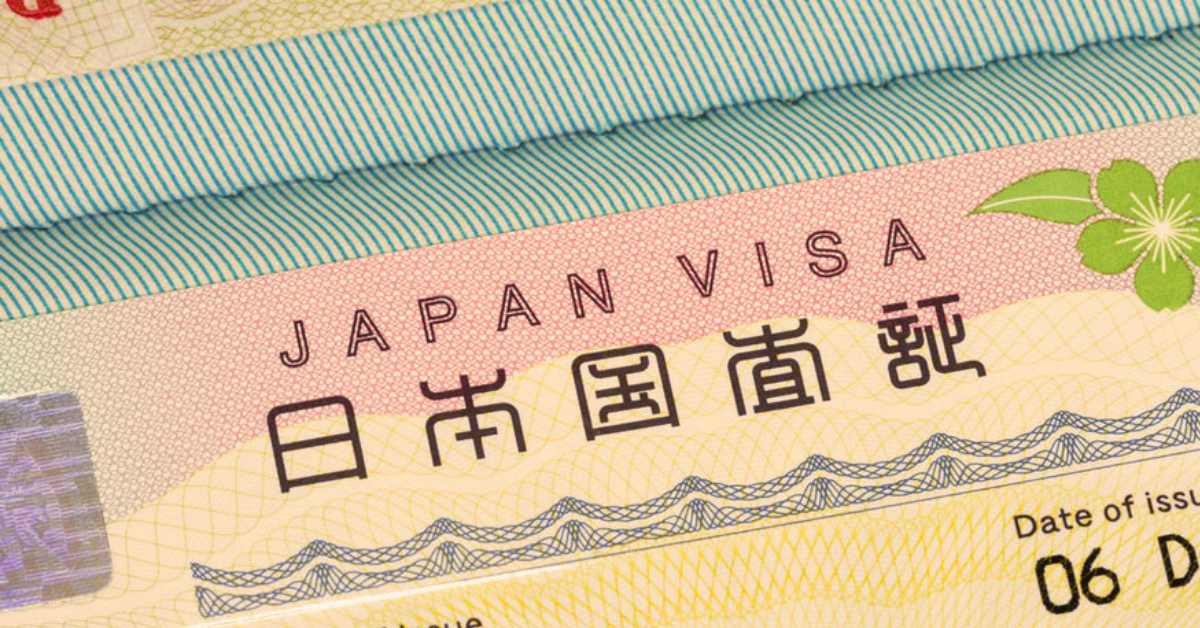
Japan has become one of the most attractive destinations for Indian professionals seeking international career opportunities. With its advanced economy, modern technology sector, strong industrial base, and growing demand for skilled foreign workers, Japan continues opening new opportunities for international employees across multiple industries.
In recent years, online searches related to Japan work visa for India have increased significantly because more Indian workers, engineers, students, healthcare professionals, IT specialists, and technical workers are exploring employment opportunities in Japan. The Japanese government has also introduced policies to address labor shortages in several sectors, making foreign worker recruitment increasingly important.
Japan offers high quality infrastructure, competitive salaries, safe cities, advanced transportation systems, and strong career development opportunities. Many Indian professionals are attracted to Japan because of its stable economy, technological innovation, and long term employment prospects.
This complete guide explains everything Indian applicants should know about Japan work visa processes in 2026 including visa types, eligibility requirements, application procedures, salary expectations, job sectors, language requirements, and future employment opportunities.
Why Indian Professionals Want to Work in Japan
Japan’s international workforce continues expanding because many industries face labor shortages.
Several important reasons explain why Indian professionals are increasingly choosing Japan.
Strong Economy
Japan remains one of the world’s largest and most stable economies.
High Demand for Skilled Workers
Several industries require foreign workers because of aging population challenges and workforce shortages.
Advanced Technology Industry
Japan is globally recognized for robotics, engineering, electronics, artificial intelligence, and manufacturing.
Safe Living Environment
Japan is considered one of the safest countries in the world.
Good Salary Opportunities
Many skilled workers receive competitive salaries and employee benefits.
Career Development
International work experience in Japan improves future career opportunities globally.
Popular Japan Work Visa Types for Indians
Japan offers different visa categories depending on profession and job role.
Engineer and Specialist Visa
This visa is popular among IT professionals, engineers, software developers, and technical specialists.
Skilled Worker Visa
Japan recruits foreign skilled workers in sectors such as construction, manufacturing, hospitality, agriculture, and caregiving.
Business Manager Visa
Entrepreneurs and investors may apply for business related visa categories.
Instructor and Teaching Visa
English teachers and education professionals often use this visa category.
Healthcare and Nursing Visas
Medical professionals and caregivers may qualify under specialized healthcare visa programs.
Specified Skilled Worker Visa
This visa category has become increasingly popular because Japan needs workers in several labor shortage industries.
Eligibility Requirements for Japan Work Visa
Requirements vary depending on visa type and job category.
However, common conditions usually include:
- Valid Passport
- Applicants need passports with sufficient validity.
- Job Offer From Japanese Employer
Most work visas require sponsorship from a company in Japan.
Educational Qualifications
Many professional visas require university degrees or technical certifications.
Relevant Work Experience
Certain industries prioritize experienced workers.
Clean Criminal Record
Applicants may need police clearance documents.
Medical Fitness
Health examinations may be required in some cases.
Importance of Japanese Language Skills
Language ability can significantly improve employment opportunities.
Although some international companies operate in English, many Japanese employers prefer workers with Japanese communication skills.
Common language levels include:
- N5 beginner level
- N4 elementary level
- N3 intermediate level
- N2 advanced professional level
Workers with stronger Japanese skills often receive better salary opportunities and career growth.
Industries Hiring Indian Workers in Japan
Japan recruits international professionals across many sectors.
Information Technology
Software development and AI industries actively recruit Indian IT professionals.
Engineering
Mechanical, electrical, civil, and industrial engineers remain in demand.
Manufacturing
Factories and industrial facilities hire technical workers regularly.
Healthcare
Nursing and caregiving sectors face major labor shortages.
Hospitality and Tourism
Hotels and tourism businesses increasingly recruit international workers.
Construction Industry
Japan’s infrastructure projects require skilled construction workers.
Japan Work Visa Application Process
The work visa process usually involves several important steps.
Receive Job Offer
Applicants first secure employment from a Japanese company.
Certificate of Eligibility
The employer in Japan applies for a Certificate of Eligibility on behalf of the worker.
Submit Visa Application
Applicants submit visa documents to the Japanese embassy or consulate.
Attend Interview if Required
Some applicants may be asked for additional interviews or documentation.
Receive Visa Approval
Approved applicants receive visas allowing entry into Japan for employment.
Documents Required for Application
Commonly required documents include:
- Passport
- Visa application form
- Passport photographs
- Employment contract
- Educational certificates
- Resume or curriculum vitae
- Certificate of Eligibility
- Financial documents if requested
All documents should be prepared carefully to avoid delays.
Average Salary in Japan for Indian Workers
Salary levels vary depending on industry, qualifications, and experience.
Average monthly salary ranges in 2026 may include:
- Entry level technical workers
- 180000 to 250000 Japanese Yen
- IT professionals
- 300000 to 700000 Japanese Yen
- Engineers
- 350000 to 800000 Japanese Yen
- Healthcare professionals
- 250000 to 500000 Japanese Yen
Highly specialized workers may earn significantly higher salaries.
Cost of Living in Japan
Living expenses depend heavily on city location and lifestyle.
Tokyo is generally more expensive than smaller cities.
Typical expenses include:
- Accommodation
- Food
- Transportation
- Health insurance
- Utilities
- Mobile services
Many companies provide accommodation assistance or transportation support.
Benefits of Working in Japan
Japan offers several advantages for international workers.
Modern Infrastructure
Japan provides excellent transportation and public services.
Career Stability
Many companies offer structured long term employment systems.
Advanced Technology Exposure
Workers gain experience with modern industrial systems and technologies.
Clean and Safe Cities
Japan is known for cleanliness, organization, and public safety.
Cultural Experience
Living in Japan allows workers to experience unique cultural traditions and modern lifestyles.
Challenges Indian Workers May Face
Despite many opportunities, some challenges also exist.
Language Barrier
Limited Japanese ability may create communication difficulties.
Cultural Adjustment
Japanese work culture may differ significantly from Indian workplace environments.
Work Discipline
Japanese companies often maintain strict professional expectations.
High Living Costs in Major Cities
Urban expenses can become expensive without proper budgeting.
Preparation and adaptability help workers adjust successfully.
Can Family Members Join Work Visa Holders
Some work visa categories allow dependent family visas.
Eligible family members may include:
- Spouse
- Children
Dependents may sometimes receive limited work permissions depending on visa conditions.
Permanent Residency Opportunities
Long term workers in Japan may eventually qualify for permanent residency under certain conditions.
Factors affecting eligibility may include:
- Length of stay
- Income stability
- Tax records
- Language ability
- Professional background
Japan continues adjusting immigration policies to attract skilled international talent.
Future Demand for Foreign Workers in Japan
Japan’s aging population and labor shortages are expected to increase demand for foreign workers in coming years.
High demand sectors may include:
- Healthcare
- Construction
- Information technology
- Manufacturing
- Agriculture
- Hospitality
Indian professionals are expected to remain an important part of Japan’s international workforce.
Tips for Successful Visa Approval
Applicants can improve approval chances by following several important strategies.
Prepare accurate documents
- Learn basic Japanese language skills
- Research Japanese workplace culture
- Apply through legitimate employers
- Avoid illegal recruitment agencies
Maintain professional communication during interviews
Careful preparation greatly improves application success rates.
Work Culture in Japan
Japanese workplaces are known for professionalism and discipline.
Common workplace values include:
- Punctuality
- Teamwork
- Respect
- Dedication
- Attention to detail
Understanding workplace expectations helps international employees adapt successfully.
Future of India Japan Employment Relations
India and Japan continue strengthening economic and workforce cooperation.
Technology partnerships, infrastructure projects, and business investments are increasing between both countries.
As labor demand grows, employment opportunities for Indian professionals in Japan are expected to expand further.
Japan work visa for India continues becoming one of the most searched international employment topics in 2026 because Japan offers strong career opportunities, competitive salaries, advanced technology industries, and long term professional growth.
Indian professionals across IT, engineering, healthcare, manufacturing, hospitality, and technical sectors are increasingly choosing Japan for international employment and career development.
Although challenges such as language adaptation and cultural adjustment exist, proper preparation and skill development can help workers build successful careers in Japan. As Japan continues addressing labor shortages and expanding foreign recruitment programs, opportunities for Indian workers are expected to grow significantly in the coming years.










- SSC Exam Result check 2026 Bangladesh
- NU Degree Result 2026 Bangladesh: Full Guide
- India Tourist Visa for Bangladeshis Resumes From May 6
- Eid al Fitr 2026 UAE Dates Confirmed and Expected Globally
- Dubai-bound flight catches fire after taking off from Nepal
- Turkey`s homegrown 5th-generation fighter jet named KAAN
- Shihab Chottur reaches Makkah from India in 12 months
- Cleaner Job Circular 2026 Saudi Arabia Latest Hiring Update
- Eid Ul Adha 2023 in Saudi Arabia!
- India gets new parliament building