
Imran Al mamun
Indian Cricket Board 2026 and the Future of Cricket Governance
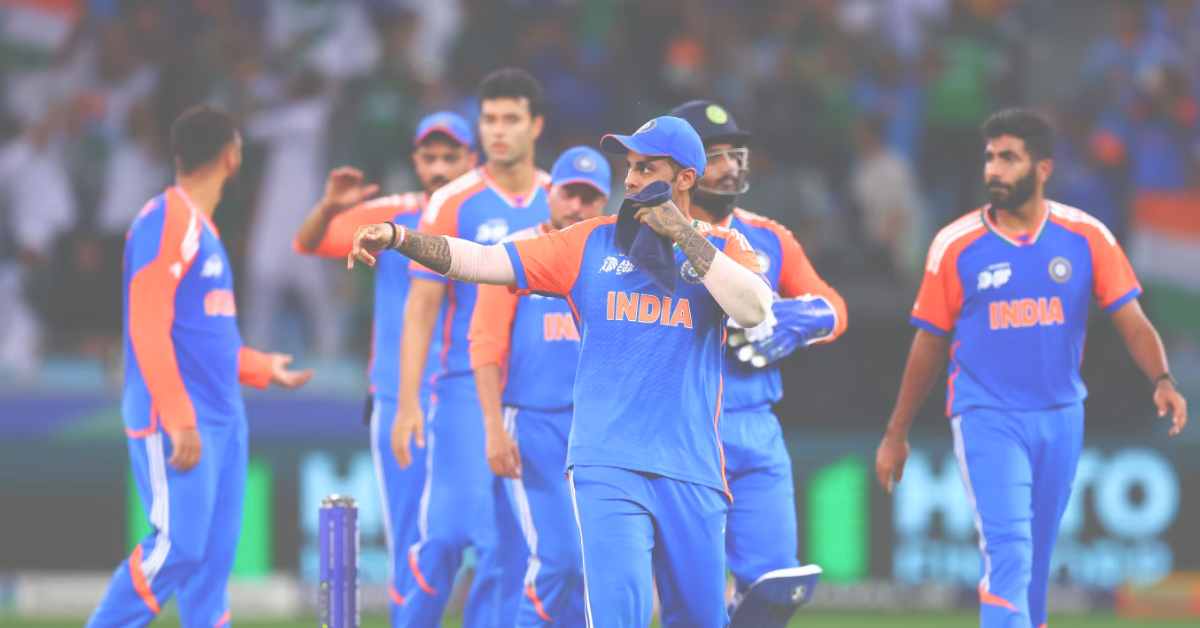
The Indian cricket board, officially known as the Board of Control for Cricket in India, remains one of the most powerful and influential sports organizations in the world.
In 2026, its role has become even more significant due to the rapid global expansion of cricket, the rise of franchise leagues, increasing digital audiences, and the growing commercial value of the sport. Indian cricket is no longer just a national passion. It is a global industry, and the board at the center of it carries enormous responsibility in shaping the future of the game.
Understanding the Indian cricket board in 2026 requires looking at multiple dimensions including administration, financial structure, international influence, player development, domestic cricket systems, technology integration, and global cricket diplomacy. The board is not only responsible for managing Indian cricket teams but also for influencing global cricket decisions through its strong position in the International Cricket Council ecosystem.
The growth of Indian cricket over the last two decades has been extraordinary. By 2026, the Board of Control for Cricket in India stands as one of the richest sports governing bodies in the world. Its revenue generation system is built on broadcasting rights, sponsorship deals, Indian Premier League earnings, ticket sales, digital streaming partnerships, and global commercial collaborations. Cricket in India has evolved into a multi billion dollar ecosystem.
One of the most important aspects of the Indian cricket board in 2026 is the Indian Premier League. The IPL continues to be the most valuable cricket league globally. It has changed the economics of cricket completely. Franchise teams, international player participation, and massive broadcasting deals have made it a central pillar of the board’s financial and strategic structure.
In 2026, the IPL is not just a domestic league anymore. It is a global entertainment product watched by audiences across Asia, Europe, the Middle East, and North America. The league has also become a platform for young Indian talent to showcase their skills on an international stage. Many players who perform well in the IPL go on to represent India in international cricket.
The board uses IPL revenue to support domestic cricket development, infrastructure improvement, grassroots programs, and women’s cricket expansion. This financial ecosystem allows Indian cricket to maintain a strong pipeline of talent and competitive performance at the global level.
Another key focus area for the Indian cricket board in 2026 is the national team structure. India’s men’s cricket team remains one of the strongest teams in world cricket. The board invests heavily in coaching staff, sports science, analytics, fitness programs, and player welfare systems.
Modern cricket is highly competitive, and performance depends on more than just skill. Physical fitness, mental conditioning, data analysis, and strategic planning play major roles. The board has developed advanced support systems to ensure that Indian players remain competitive in all formats including Test cricket, One Day Internationals, and T20 internationals.
The rise of T20 cricket has significantly changed the global cricket landscape. The Indian cricket board has adapted to this change by balancing traditional formats with modern fast paced formats. While Test cricket remains an important part of India’s cricket culture, T20 and franchise cricket have become dominant in terms of popularity and revenue.
In 2026, player workload management has become one of the most important responsibilities of the board. With constant international tours, IPL seasons, and global tournaments, managing player fitness and injury prevention is critical. The board uses advanced sports science systems and data driven decision making to manage player schedules effectively.
Another important dimension of the Indian cricket board is domestic cricket development. India has one of the largest domestic cricket systems in the world. Tournaments like Ranji Trophy, Vijay Hazare Trophy, and Syed Mushtaq Ali Trophy play a crucial role in identifying and developing new talent.
In 2026, domestic cricket has become more structured and competitive. The board has improved facilities, introduced better pitch conditions, enhanced umpiring standards, and increased financial support for domestic players. This ensures that young players have a strong foundation before entering international cricket.
Women’s cricket in India has also seen massive growth under the board’s guidance. By 2026, women’s cricket has become a major part of India’s sports culture. The introduction of the Women’s Premier League has significantly increased visibility and opportunities for female cricketers.
The board has invested in training academies, international exposure tours, and professional contracts for women players. This has helped improve performance levels and attract more young girls to the sport. Women’s cricket is now seen as a major growth area in Indian sports.
Technology plays a central role in the functioning of the Indian cricket board in 2026. Advanced analytics, artificial intelligence, performance tracking systems, and video analysis tools are widely used to improve decision making. Coaches and analysts study player performance in detail to improve strategy and match preparation.
Broadcasting technology has also evolved significantly. Matches are now streamed globally in high definition with interactive features, real time statistics, and immersive viewing experiences. Digital platforms have become the primary medium for cricket consumption among younger audiences.
The financial strength of the Indian cricket board continues to influence global cricket governance. India’s position in international cricket decision making is extremely strong. Many global tournaments and scheduling decisions are influenced by the board’s preferences due to its large fan base and commercial importance.
In 2026, international cricket scheduling has become more complex due to franchise leagues around the world. The board works closely with international cricket bodies to manage calendar conflicts and ensure player availability across formats.
One of the challenges faced by the board is balancing international cricket with franchise commitments. Many top players participate in multiple leagues globally, which creates scheduling pressure and workload concerns. The board continuously negotiates with international bodies to maintain balance.
Another important area is grassroots development. The board has launched several initiatives to promote cricket at school and district levels. Talent identification programs help discover young players from rural and urban regions across India.
Cricket academies supported by the board provide training facilities, coaching support, and professional development programs. These academies play a crucial role in shaping future national team players.
Infrastructure development is also a major focus. Stadiums across India have been upgraded with modern facilities including advanced seating, digital scoreboards, training centers, and improved spectator experiences. Cricket stadiums are now designed to support large international events and global broadcasting requirements.
The Indian cricket board also plays an important role in cricket diplomacy. Sports often act as a bridge between countries, and cricket has historically played a role in international relations. The board participates in discussions that influence bilateral series, tournament participation, and global cricket policies.
Fan engagement is another major focus area in 2026. Cricket fans in India are among the most passionate in the world. The board uses social media, digital platforms, mobile applications, and interactive content to engage with millions of supporters.
Fantasy cricket platforms, live streaming services, and digital fan experiences have increased audience participation in the sport. Cricket is no longer just watched; it is actively experienced through digital interaction.
The commercialization of cricket has also created new challenges. Sponsorship dependency, advertising pressure, and financial expectations require careful management. The board must balance commercial interests with sporting integrity.
Ethics and governance remain important responsibilities. Transparency in administration, fair selection processes, anti corruption measures, and match integrity systems are essential to maintain trust in the sport.
The Indian cricket board also invests in player welfare programs. Mental health support, financial planning education, retirement planning, and career transition programs are becoming increasingly important for professional athletes.
In 2026, sustainability has also become part of cricket administration. Environmental concerns are addressed through eco friendly stadium designs, reduced plastic usage, and energy efficient infrastructure.
The future of Indian cricket depends on continuous adaptation. The sport is evolving rapidly with new formats, technologies, and global competition. The board must remain flexible and innovative to maintain India’s leadership in world cricket.
One of the most significant strengths of the Indian cricket board is its talent pool. India produces thousands of young cricketers every year. With proper training and development systems, many of these players reach professional levels and contribute to national success.
The role of coaching has also evolved. Modern coaching involves not only technical training but also psychological preparation, data analysis, and individualized performance strategies. Coaches work closely with analysts and sports scientists to optimize player performance.
Media coverage of cricket has expanded significantly. Matches are now covered across television, digital platforms, and social media in real time. Cricket content reaches global audiences instantly, increasing the sport’s influence.
In 2026, the Indian cricket board also focuses on global partnerships. Collaboration with other cricket boards helps organize international tours, training exchanges, and shared development programs.
The globalization of cricket has increased competition. Countries like England, Australia, South Africa, Pakistan, New Zealand, and emerging cricket nations continue improving their systems. India must maintain strong performance standards to remain competitive.
The board also faces challenges related to player workload management. With increasing match frequency, ensuring player rest and recovery is essential for long term performance.
Another important area is talent transition. As senior players retire, the board must ensure smooth replacement with young talent. Succession planning is crucial for maintaining team strength.
Digital transformation will continue shaping the future of Indian cricket. Artificial intelligence, virtual reality training, and advanced performance simulations may become standard tools in cricket development.
Fan expectations are also increasing. Modern audiences demand high quality entertainment, transparency, and interactive experiences. The board must continuously innovate to meet these expectations.
In conclusion, the Indian cricket board in 2026 represents one of the most powerful and advanced sports organizations in the world. It manages a complex system involving international cricket, domestic competitions, franchise leagues, player development, financial management, and global cricket diplomacy.
Its influence extends far beyond India, shaping global cricket policies and commercial structures. With strong financial resources, massive fan support, and advanced technological systems, the board continues to lead the evolution of modern cricket.
At the same time, it faces challenges related to scheduling, player workload, commercialization, and global competition. The future of Indian cricket depends on how effectively these challenges are managed.
The Indian cricket board in 2026 stands at the center of a rapidly changing sports world. Its decisions will continue shaping not only Indian cricket but also the global future of the game for years to come.










- SSC Exam Result check 2026 Bangladesh
- NU Degree Result 2026 Bangladesh: Full Guide
- India Tourist Visa for Bangladeshis Resumes From May 6
- Eid al Fitr 2026 UAE Dates Confirmed and Expected Globally
- Cleaner Job Circular 2026 Saudi Arabia Latest Hiring Update
- Dubai-bound flight catches fire after taking off from Nepal
- Turkey`s homegrown 5th-generation fighter jet named KAAN
- Shihab Chottur reaches Makkah from India in 12 months
- Eid Ul Adha 2023 in Saudi Arabia!
- India gets new parliament building