Imran Al mamun
Upcoming AI Technology in 2027 Expected to Transform
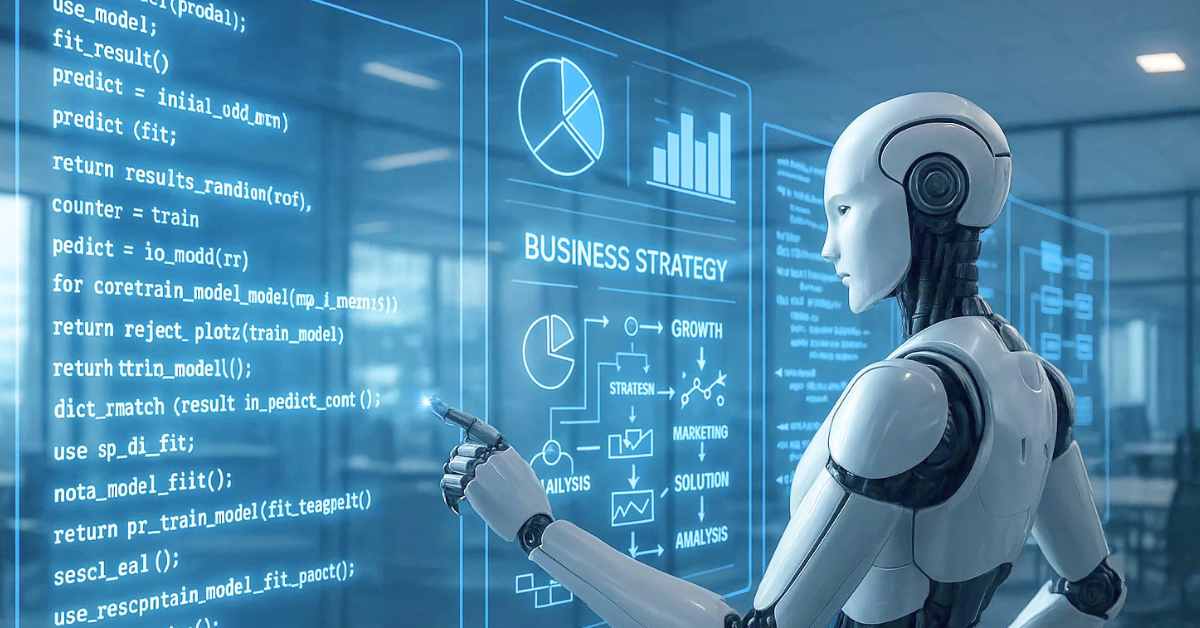
Artificial intelligence technology is expected to advance even faster in 2027 as researchers, technology companies, and governments continue investing billions of dollars into next-generation AI systems.
Experts believe the coming wave of AI innovation could dramatically reshape healthcare, education, transportation, business operations, entertainment, robotics, and scientific research worldwide.
The rapid development of advanced AI models in recent years has already changed how people work, communicate, and access information. However, analysts say the technologies expected to emerge in 2027 could push artificial intelligence into an entirely new stage of global influence.
Major technology companies are now competing aggressively to build smarter, faster, and more human-like AI systems capable of handling increasingly complex tasks.
AI Personal Assistants Expected to Become Smarter
One of the biggest upcoming AI trends for 2027 is the development of highly advanced personal AI assistants.
Future AI assistants are expected to understand conversations more naturally, remember long-term preferences, and complete multi-step tasks independently.
Technology companies are working on systems capable of managing schedules, answering emails, booking travel, conducting research, and even helping with business decisions automatically.
Experts believe future AI assistants could become deeply integrated into smartphones, smart homes, vehicles, and workplace systems.
A simplified AI learning relationship is often represented mathematically like this:
AI Capability∝Data+Computing Power+Training
Humanoid Robots Could Expand Rapidly
Humanoid robotics is expected to become one of the most important AI industries in 2027.
Several companies are developing robots designed to walk, communicate, carry objects, and assist humans in workplaces and homes.
Experts believe future AI-powered robots may support industries including healthcare, logistics, elderly care, customer service, and manufacturing.
Some analysts predict humanoid robots could eventually become common in hotels, airports, warehouses, and hospitals.
International investors are already closely monitoring robotics startups connected to advanced AI systems.
AI Healthcare Technology May Improve Diagnosis
Healthcare is expected to experience major AI expansion in 2027.
Researchers are developing systems capable of analyzing medical scans, predicting disease risks, and assisting doctors with treatment recommendations.
AI-powered wearable devices may also become more advanced, allowing real-time health monitoring for millions of people.
Medical experts believe future AI tools could help improve early disease detection and reduce pressure on healthcare systems.
At the same time, ethical discussions surrounding medical data privacy remain important.
AI Video and Image Generation Will Become More Realistic
AI-generated videos, voices, and images are expected to become significantly more realistic in 2027.
Entertainment companies, advertisers, and content creators are already experimenting with advanced AI production systems capable of generating high-quality digital media rapidly.
Experts warn that while creative opportunities are increasing, concerns about misinformation and deepfake technology are also growing.
Governments and technology companies are discussing stronger regulations to reduce misuse of AI-generated content.
Autonomous Vehicles Continue Advancing
Self-driving technology remains another major area of AI development.
Automotive companies are improving autonomous navigation systems capable of processing traffic conditions, road hazards, and driver safety data more efficiently.
AI-assisted transportation could expand in taxi services, delivery systems, public transport, and logistics industries.
Experts believe fully autonomous driving may still face legal and technical challenges, but significant progress is expected during the coming years.
AI Education Systems Become More Personalized
Education technology is likely to become increasingly AI-driven by 2027.
Future learning platforms may adapt lessons individually for each student based on learning speed, strengths, and weaknesses.
AI tutors capable of real-time conversation and personalized explanation are already being developed.
Educational experts believe AI could help make learning more accessible globally, especially in remote regions with limited educational resources.
However, human teachers are still expected to remain essential for emotional support and critical thinking development.
AI Cybersecurity Systems Grow Stronger
As digital threats continue increasing, cybersecurity companies are investing heavily in AI-powered defense systems.
Future AI security tools may automatically detect cyberattacks, monitor suspicious activity, and respond to threats faster than human analysts.
Governments and financial institutions are especially interested in AI systems capable of protecting critical infrastructure and sensitive information.
Cybersecurity experts say the future could involve AI systems fighting against other AI-powered hacking technologies.
Creative Industries Embrace AI Innovation
Music, filmmaking, graphic design, and gaming industries are all expected to experience major AI transformation.
AI tools may help creators generate visual effects, write scripts, compose music, and design virtual environments more efficiently.
Some entertainment companies are already testing AI-generated actors and digital personalities for interactive experiences.
Critics, however, continue debating how AI could affect human creativity and employment opportunities within artistic industries.
AI Ethics and Regulation Become Bigger Issues
As AI technology grows more powerful, discussions surrounding ethics, regulation, and human control are becoming increasingly important.
Governments worldwide are debating how to manage AI risks connected to privacy, employment, misinformation, and security.
Experts believe international cooperation may eventually become necessary to establish global AI safety standards.
Many researchers continue emphasizing the importance of responsible AI development that benefits humanity rather than creating social instability.
AI Expected to Shape Daily Life More Than Ever
Technology analysts believe AI could become deeply integrated into everyday life by 2027.
From homes and schools to workplaces and transportation systems, artificial intelligence is expected to influence nearly every major industry.
Consumers may rely on AI for shopping, communication, healthcare, education, entertainment, and financial management more than ever before.
As global competition in artificial intelligence continues accelerating, upcoming AI technologies in 2027 could redefine how humans interact with machines and digital systems for decades to come.










- SSC Exam Result check 2026 Bangladesh
- NU Degree Result 2026 Bangladesh: Full Guide
- India Tourist Visa for Bangladeshis Resumes From May 6
- Eid al Fitr 2026 UAE Dates Confirmed and Expected Globally
- Cleaner Job Circular 2026 Saudi Arabia Latest Hiring Update
- Dubai-bound flight catches fire after taking off from Nepal
- Turkey`s homegrown 5th-generation fighter jet named KAAN
- Shihab Chottur reaches Makkah from India in 12 months
- Eid Ul Adha 2023 in Saudi Arabia!
- India gets new parliament building