Imran Al mamun
Electric Bike Future in 2050 Could Redefine Global
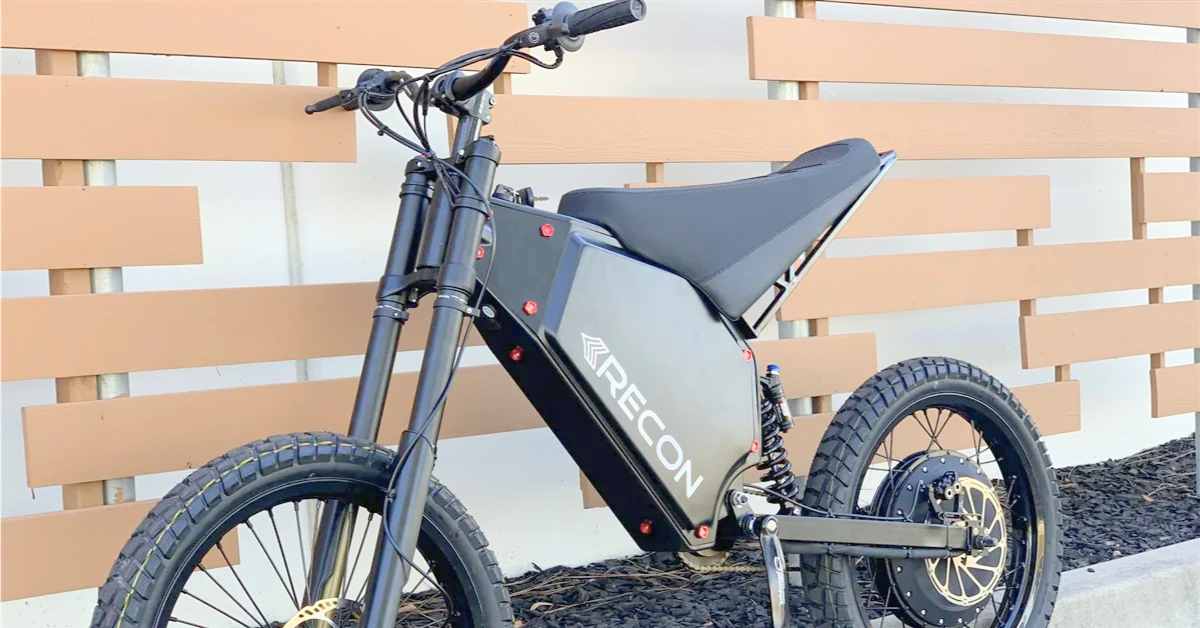
Electric bikes are expected to become one of the most important transportation technologies by 2050 as cities worldwide search for cleaner, smarter, and more affordable mobility solutions.
Industry experts believe future electric bikes, commonly called e-bikes, could transform urban travel, reduce pollution, and reshape how millions of people commute every day.
Governments, environmental organizations, and technology companies are increasingly investing in electric transportation as concerns about fuel costs, traffic congestion, and climate change continue growing globally.
Analysts predict that by 2050, electric bikes may become far more advanced than the models currently available in today’s market.
Smart AI Powered E Bikes May Become Common
Future electric bikes are expected to include advanced artificial intelligence systems capable of improving safety, navigation, and energy efficiency.
AI technology may help riders avoid traffic, monitor battery performance, and automatically adjust riding modes based on road conditions.
Some companies are already testing smart systems capable of voice control, automatic braking, and real-time navigation support.
Transportation experts believe AI integration could make future e-bikes safer and more user-friendly for both young and elderly riders.
A simplified future energy relationship often discussed in transportation engineering is:
Efficiency=
Energy Consumption
Distance
Battery Technology Expected to Improve Dramatically
Battery innovation is likely to become one of the biggest factors shaping the future of electric bikes.
Scientists are researching lighter, faster-charging, and longer-lasting battery systems capable of supporting extended travel distances.
Future e-bikes may charge within minutes rather than hours while providing significantly higher travel ranges.
Experts also believe sustainable battery recycling technology will become increasingly important by 2050.
Improved battery performance could make electric bikes more practical for daily transportation in both cities and rural areas.
Cities Could Be Redesigned for E Bikes
Urban planners believe many future cities may redesign roads and transportation systems around electric mobility.
Dedicated e-bike highways, smart traffic systems, and charging infrastructure could become standard features in major metropolitan areas.
Some governments are already investing in bicycle-friendly urban planning to reduce air pollution and traffic congestion.
Transportation researchers say electric bikes could play a major role in creating environmentally sustainable smart cities.
Electric Bikes May Replace Short Car Trips
Many experts predict e-bikes could replace a large percentage of short-distance car travel by 2050.
People commuting to work, shopping locally, or traveling within cities may increasingly choose electric bikes instead of traditional vehicles.
Lower maintenance costs and improved environmental efficiency continue making e-bikes attractive to consumers.
Traffic analysts say reducing car dependency could help improve urban air quality and lower transportation expenses.
Solar Charging Technology Could Expand
Future electric bikes may also include solar charging capabilities.
Researchers are experimenting with lightweight solar panels capable of extending battery life during travel.
Although solar charging alone may not fully power e-bikes continuously, it could improve efficiency and reduce electricity dependency.
Renewable energy integration is expected to become more important as governments focus on sustainable transportation solutions.
Health Benefits Remain Important
Unlike fully motorized transportation, electric bikes still encourage physical movement and outdoor activity.
Health specialists say e-bikes can help people remain active while reducing physical strain compared to traditional bicycles.
Older adults and people with mobility challenges may especially benefit from future lightweight electric bike designs.
Experts believe healthier transportation habits could reduce long-term healthcare pressures in many countries.
Delivery and Business Industries May Depend on E Bikes
E-commerce and delivery industries are already increasing their use of electric bikes for urban logistics.
By 2050, AI-powered delivery e-bikes may become common in crowded cities where traditional vehicles struggle with traffic and parking.
Food delivery companies, courier services, and local businesses are expected to invest heavily in electric mobility systems.
Business analysts say efficient small-scale transportation could become essential for future urban economies.
Autonomous E Bikes Could Appear
Some researchers are exploring semi-autonomous electric bike technology.
Future systems may include self-balancing features, automatic parking assistance, and collision prevention systems powered by sensors and AI.
While fully autonomous bicycles may still face technical challenges, experts believe smart assistance technology will continue evolving rapidly.
Safety innovation remains one of the biggest priorities for future transportation companies.
Environmental Concerns Drive Global Demand
Climate change discussions are strongly influencing investment in electric transportation.
Governments worldwide are encouraging lower-emission mobility options through environmental policies and green infrastructure projects.
Electric bikes produce far lower emissions compared to fuel-powered vehicles, making them attractive for future sustainability goals.
Environmental experts believe eco-friendly transportation will become increasingly necessary as urban populations continue expanding.
Electric Bike Industry Expected to Grow Massively
The global e-bike market is already growing rapidly, and analysts expect even stronger expansion over the coming decades.
Technology companies, automotive manufacturers, and startups are all investing in future electric mobility solutions.
Consumers are increasingly prioritizing affordable, efficient, and environmentally friendly transportation options.
By 2050, electric bikes could become one of the most common personal transportation systems in the world, changing how people travel, work, and experience urban life in the future.










- SSC Exam Result check 2026 Bangladesh
- NU Degree Result 2026 Bangladesh: Full Guide
- India Tourist Visa for Bangladeshis Resumes From May 6
- Eid al Fitr 2026 UAE Dates Confirmed and Expected Globally
- Cleaner Job Circular 2026 Saudi Arabia Latest Hiring Update
- Dubai-bound flight catches fire after taking off from Nepal
- Turkey`s homegrown 5th-generation fighter jet named KAAN
- Shihab Chottur reaches Makkah from India in 12 months
- Eid Ul Adha 2023 in Saudi Arabia!
- India gets new parliament building