
Imran Al Mamun
Bengali Restaurants in Saudi Arabia 2026
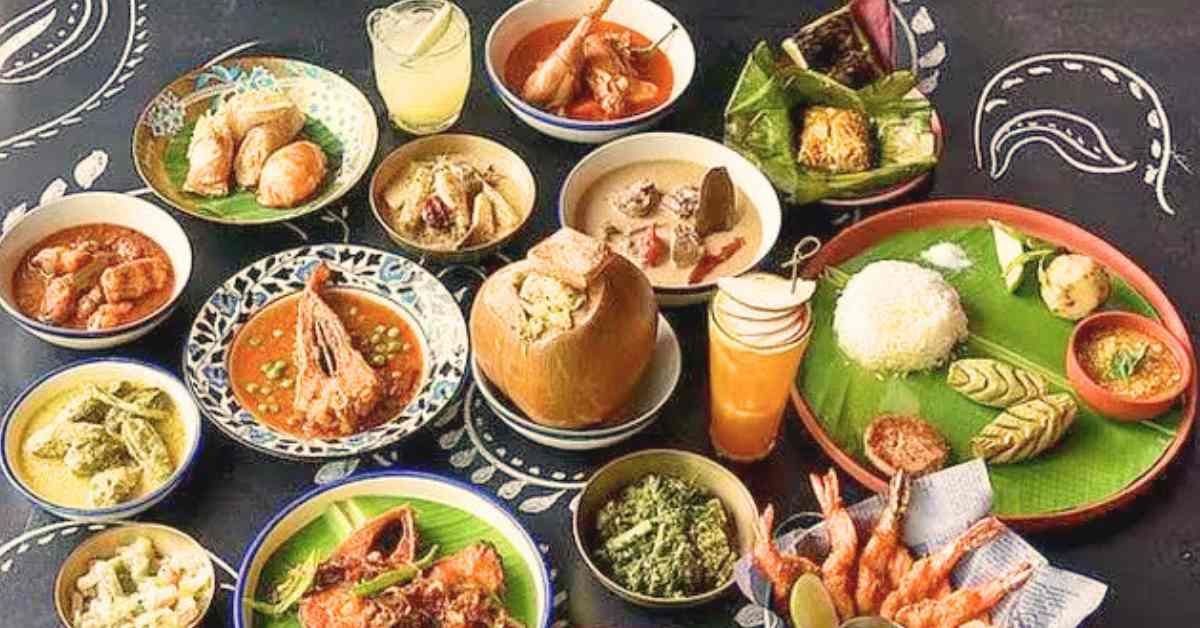
The culinary map of the Kingdom of Saudi Arabia has expanded drastically, driven by a diverse expatriate population and a national focus on global cultural exchange under Saudi Vision 2030. For the massive British-Bangladeshi diaspora traveling on business, international workers residing in the Kingdom, or spiritual pilgrims executing Umrah and Hajj, finding authentic, comforting flavors from home is a top priority.
Fortunately, major Saudi urban hubs—such as Riyadh, Jeddah, Dammam, and Makkah—host a thriving network of traditional Bengali eateries. Moving far beyond generic South Asian curry templates, these specialized kitchens preserve unique regional culinary identities. They serve up everything from slow-cooked meats to classic freshwater fish dishes.
This curated gastronomic directory covers the premier Bengali dining hubs across the Kingdom, detailing signature dishes, traditional cooking frameworks, and key cultural districts.
The Dynamic Regional Hotspots of Bengali Cuisine
Traditional Bengali restaurants in Saudi Arabia generally group around specific commercial and residential neighborhoods where expatriate communities thrive.
1. Riyadh: The Urban Heart of Desi Dining
As the expanding capital city, Riyadh features excellent culinary diversity. Neighborhoods like Al-Munsiyah, Hara (Al-Wizarat), and the Al-Saadah District host well-known establishments like the Bangladesh Hotel & Restaurants network.
These casual, welcoming spots are continuously packed, serving as essential community meeting points where diners gather over steaming platters of Friday biryani and evening snacks.
2. Jeddah: Historical Intersections in Al-Balad
Jeddah’s historic gateway district, Al-Balad, is famous for its vibrant street food sub-culture. Tucked into its bustling lanes are reliable institutions like Bismillah Restaurant and targeted local diners in the Aziziyah sector.
These coastal kitchens are highly praised for their mastery of seafood, bringing the true essence of riverine dining to the edge of the Red Sea.
3. Dammam and the Eastern Province: Premium Family Dynamics
In the Eastern Province, cities like Dammam showcase a transition toward premium, family-centric dining. Establishments like Love Meal Restaurant (রাঁধুনী রেস্টুরেন্ট) in the Ad Dawasir district have redefined the local scene.
They combine cozy, contemporary family seating partitions with extensive menus that perfectly balance traditional homestyle recipes with fast, app-based delivery networks.
+-----------------------------------+-------------------+-----------------------------------+
| Major Saudi City Dining Hub       | Key Neighborhoods | Primary Culinary Specialty        |
+-----------------------------------+-------------------+-----------------------------------+
| Riyadh                            | Al-Munsiyah, Hara | Dhaka-Style Kachchi & Vuna Khichuri|
| Jeddah                            | Al-Balad, Aziziyah| Shorshe Ilish & Red Sea Fish Bhaja |
| Dammam                            | Ad Dawasir        | Family-Style Kala Vuna & Halim     |
| Makkah                            | Al-Hajlah         | Rapid, Budget-Friendly Pilgrim Meals|
+-----------------------------------+-------------------+-----------------------------------+
Masterpieces of the Bengali Menu: What to Order
True Bengali cuisine relies on a complex, layered blend of five primary spices—traditionally known as Panch Phoron (fenugreek, nigella, cumin, black mustard, and fennel seeds)—paired with pure mustard oil to generate its distinct, deeply aromatic profile. When browsing a local menu, prioritize these iconic dishes:
1. Traditional Kala Vuna (কালা ভুনা)
This highly celebrated beef dish is a masterpiece of slow-cooking technique. High-quality cuts of meat are continuously simmered over a low flame with a concentrated blend of yogurt, dark aromatic spices, and green chilis until the moisture evaporates completely. This process leaves the beef incredibly tender with a deep, intensely savory, near-black caramelized coating. It pairs beautifully with hot tandoori parottas or plain white rice.
2. Authentic Fish Curries: Shorshe Ilish (সর্ষে ইলিশ)
No authentic Bengali menu is complete without celebrating fish. Many premium restaurants import fresh Hilsa (Ilish) fish directly from South Asia to satisfy discerning diners. The fish is gently poached in a pungent, sharp gravy crafted from freshly ground mustard paste, turmeric, and slit green chilis. The result is a vibrant balance of heat and flavor that perfectly captures the essence of standard homestyle cooking.
3. Vuna Khichuri and Kachchi Biryani
On weekends and festive occasions, kitchens shift their focus toward festive rice dynamics. Vuna Khichuri combines roasted moong dal and aromatic chinigura rice, cooked together and topped with rich mutton or chicken gravy. Alternatively, traditional Old Dhaka-style Kachchi Biryani features raw, spiced mutton layers slow-cooked in a sealed pot alongside fragrant basmati rice and saffron-infused potatoes.
+-----------------------------------+-----------------------------------+
| Traditional Dish Component        | Sensory Profile and Pairing       |
+-----------------------------------+-----------------------------------+
| Authentic Kala Vuna               | Rich, deeply caramelized beef     |
| Shorshe Ilish                     | Sharp, pungent mustard seed gravy |
| Traditional Sweet Fuchka          | Crisp pastry shell with savory mix|
+-----------------------------------+-----------------------------------+
Street Snacks and Desserts: The Casual Evening Culture
As the daytime heat drops across the Arabian Peninsula, Bengali restaurants transition into lively hubs for afternoon snacks (Nasta) and sweet delicacies:
-
Yogurt Sweet Fuchka (দই ফুচকা): Crisp, hollow pastry shells stuffed with a savory mixture of mashed potatoes and spiced chickpeas, completely drenched in sweetened yogurt, tangy tamarind liquid, and grated boiled eggs.
-
Bengali Halim (হালিম): A slow-cooked, nutritious stew constructed from a slow-boiled mix of wheat, barley, lentils, and minced mutton, heavily garnished with fresh ginger slivers, fried onions (beresta), and squeezed lime juice.
-
Traditional Mishti (মিষ্টি): End your meal by exploring traditional dessert cases loaded with spongy, syrup-soaked Rasgullas, rich Chomchoms, or a cool clay pot of authentic Mishti Doi (sweet fermented yogurt).
Practical Survival Strategies for International Diners
To maximize your cultural dining experience while staying fully aligned with local customs inside Saudi Arabia, keep these practical tips in mind:
-
Respect Gender Partition Frameworks: Many traditional restaurants across the Kingdom retain distinct architectural sections. The Single Section is dedicated exclusively to solo male diners, while the Family Section caters comfortably to women, couples, and family groups. Ensure you enter the correct doorway when arriving.
-
Bring Cash for Smaller Independent Spots: While premium urban dining venues accept standard digital credit cards and local Mada app transactions, smaller neighborhood diners and street-side snack counters occasionally operate cash-only processing systems for low-value purchases under 20 SAR.
-
Align Your Dining Windows with Prayer Closures: Commercial businesses across Saudi Arabia briefly pause operations during mandatory prayer times (Salah), lasting approximately 25 to 30 minutes per interval. Check the local daily prayer schedule before heading out to ensure you do not arrive when doors are temporarily locked.










- SSC Exam Result check 2026 Bangladesh
- NU Degree Result 2026 Bangladesh: Full Guide
- India Tourist Visa for Bangladeshis Resumes From May 6
- Eid al Fitr 2026 UAE Dates Confirmed and Expected Globally
- Cleaner Job Circular 2026 Saudi Arabia Latest Hiring Update
- Dubai-bound flight catches fire after taking off from Nepal
- Turkey`s homegrown 5th-generation fighter jet named KAAN
- Shihab Chottur reaches Makkah from India in 12 months
- Eid Ul Adha 2023 in Saudi Arabia!
- India gets new parliament building