
Imran Al mamun
Electric Car Features and Modern EV Technology Explained
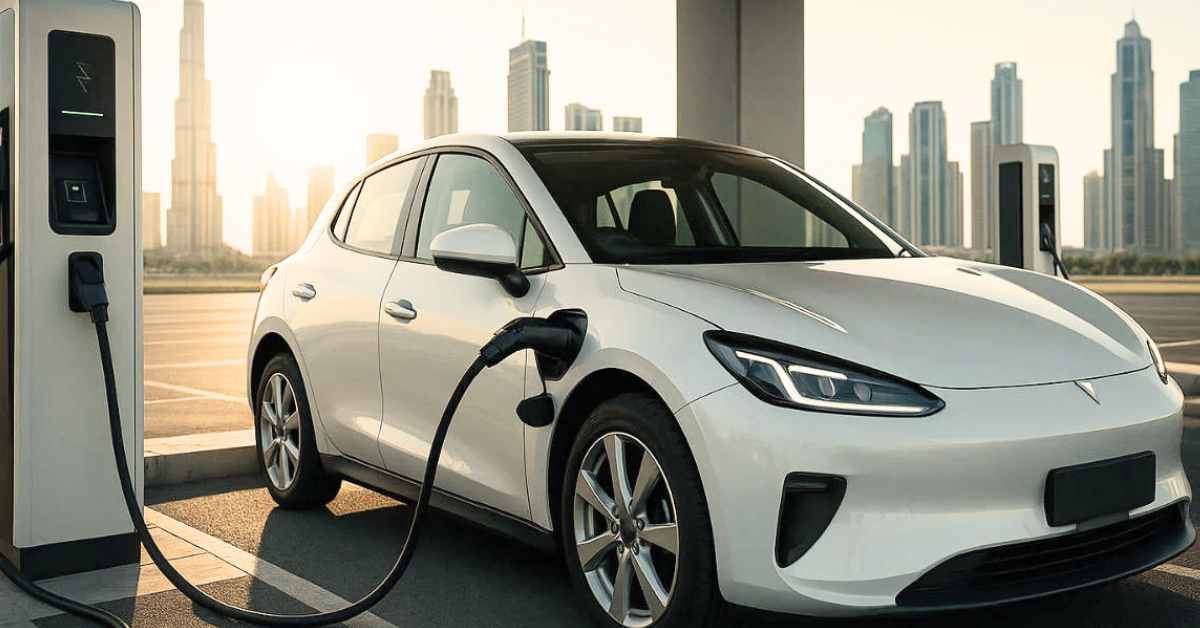
Electric cars have become one of the most important innovations in the global automobile industry. Over the last decade, the world has seen a major shift from traditional fuel powered vehicles to electric vehicles.
This transformation is driven by rising fuel costs, environmental concerns, government regulations, and rapid technological advancement. Electric cars are no longer a future concept. They are now a practical and widely used transportation solution in many countries.
Understanding electric car features is essential for anyone interested in modern transportation, environmental sustainability, or future mobility trends. Electric vehicles are not just about replacing fuel with electricity. They represent a complete redesign of how vehicles operate, perform, and interact with drivers and the environment.
One of the most fundamental features of electric cars is their battery system. Unlike traditional vehicles that use internal combustion engines, electric cars rely on large lithium ion battery packs. These batteries store electrical energy and supply power to the electric motor. The battery is the heart of an electric vehicle, and its capacity determines how far the car can travel on a single charge.
Modern electric cars offer different ranges depending on battery size and efficiency. Some models are designed for short city travel, while others can travel long distances comparable to gasoline vehicles. Battery technology continues to improve, allowing longer range, faster charging, and better durability.
Charging capability is another essential feature of electric cars. Instead of refueling at petrol stations, electric vehicles are charged using electric power sources. Charging can be done at home using standard outlets or specialized home charging stations. Public charging stations are also widely available in many urban areas.
There are different levels of charging speed. Slow charging is typically used at home overnight. Fast charging stations can recharge a significant portion of the battery within an hour. Ultra fast charging technology is also emerging, allowing even quicker energy replenishment. Charging infrastructure is expanding rapidly worldwide to support the growing number of electric vehicles.
Electric cars are known for their instant torque and smooth acceleration. Unlike internal combustion engines that require time to build power, electric motors deliver immediate torque as soon as the accelerator is pressed. This results in quick and smooth acceleration, making electric cars feel highly responsive and efficient on the road.
Another important feature of electric vehicles is regenerative braking. This system allows the car to recover energy during braking. Instead of wasting energy as heat like traditional braking systems, regenerative braking converts kinetic energy back into electrical energy and stores it in the battery. This improves overall efficiency and extends driving range.
Electric cars are also significantly quieter than conventional vehicles. Because they do not have combustion engines, they produce very little noise during operation. This creates a smoother and more peaceful driving experience. Reduced noise pollution is also beneficial for urban environments and residential areas.
Advanced driver assistance systems are a major part of modern electric car features. Many electric vehicles come equipped with technologies such as adaptive cruise control, lane keeping assistance, automatic emergency braking, and parking assistance. These systems improve safety and reduce driver fatigue.
Some electric vehicles also include semi autonomous or fully autonomous driving capabilities. These systems use cameras, sensors, radar, and artificial intelligence to control certain driving functions. While full autonomy is still under development in many regions, partial automation is already widely available.
Connectivity is another key feature of electric cars. Modern EVs are often equipped with internet connectivity, mobile app integration, and over the air software updates. Drivers can monitor battery status, charging progress, location, and vehicle health through smartphone applications.
Over the air updates allow manufacturers to improve vehicle performance, fix software issues, and add new features without requiring physical service visits. This makes electric cars more dynamic and continuously evolving compared to traditional vehicles.
Electric cars also feature advanced digital dashboards and infotainment systems. Instead of traditional analog controls, most EVs use large touchscreens to control navigation, entertainment, climate, and vehicle settings. These systems provide a modern and user friendly interface for drivers.
Climate control systems in electric vehicles are designed to be energy efficient. Since electric cars rely on battery power, heating and cooling systems are optimized to reduce energy consumption while maintaining passenger comfort.
One of the most attractive features of electric cars is low maintenance. Traditional vehicles require regular oil changes, engine maintenance, exhaust system repairs, and multiple mechanical services. Electric cars have fewer moving parts, which significantly reduces maintenance requirements and long term servicing costs.
Electric motors are simpler than internal combustion engines. They do not require fuel combustion, transmission complexity, or exhaust systems. This simplicity improves reliability and reduces mechanical failure rates.
Environmental benefits are also a major feature of electric vehicles. EVs produce zero tailpipe emissions, which helps reduce air pollution and greenhouse gas emissions. This makes them an important solution for combating climate change and improving urban air quality.
Many governments around the world support electric vehicle adoption through incentives, tax benefits, subsidies, and infrastructure development. These policies encourage consumers to switch from traditional fuel vehicles to electric alternatives.
Another important feature of electric cars is energy efficiency. Electric motors convert a much higher percentage of energy into movement compared to internal combustion engines. This means electric vehicles use energy more efficiently and reduce overall energy waste.
Battery management systems play a critical role in electric car performance. These systems monitor battery health, temperature, charging cycles, and energy distribution. Proper battery management ensures safety, efficiency, and longer battery lifespan.
Thermal management systems are also important in electric vehicles. Batteries must be maintained within optimal temperature ranges to ensure performance and safety. Cooling and heating systems regulate battery temperature under different driving conditions.
Electric cars often feature multiple driving modes. These modes allow drivers to adjust performance based on needs. For example, eco mode improves energy efficiency, while sport mode enhances acceleration and performance.
Many electric vehicles also include smart navigation systems that calculate optimal routes based on battery range and available charging stations. This helps reduce range anxiety, which is the fear of running out of battery power during travel.
Range anxiety has been one of the biggest concerns for electric vehicle adoption. However, improvements in battery technology and expansion of charging infrastructure are gradually reducing this issue.
Interior design is another area where electric cars differ from traditional vehicles. Because EVs do not require large engines, they often provide more interior space. This allows for more comfortable seating arrangements and modern cabin designs.
Some electric cars feature minimalist interiors with clean layouts and fewer physical buttons. Everything is controlled through digital systems, creating a futuristic driving experience.
Safety features in electric cars are highly advanced. EVs are designed with strong crash protection structures and low center of gravity due to battery placement. This improves vehicle stability and reduces rollover risk.
Airbag systems, collision detection, pedestrian safety features, and emergency response systems are commonly included in electric vehicles.
Electric cars also support smart charging features. Drivers can schedule charging times based on electricity rates, energy availability, or personal convenience. This helps reduce electricity costs and optimize energy usage.
Vehicle to grid technology is an emerging feature in electric cars. This allows vehicles to send electricity back to the power grid when needed. It helps stabilize energy systems and supports renewable energy integration.
Some electric cars also support vehicle to home technology. This means a car can power a home during electricity outages or peak demand periods. This feature increases energy independence and resilience.
Battery recycling and sustainability are becoming important aspects of electric vehicle design. Manufacturers are working on recycling old batteries and reusing materials to reduce environmental impact.
Electric cars also play a major role in smart city development. Connected EVs can communicate with traffic systems, charging stations, and other vehicles to improve traffic flow and reduce congestion.
Artificial intelligence is increasingly integrated into electric vehicles. AI systems help optimize battery usage, predict maintenance needs, improve driving assistance, and enhance user experience.
Electric cars are also influencing the global automotive industry structure. Traditional car manufacturers are investing heavily in electric vehicle development, while new companies focused entirely on EV technology are entering the market.
The future of electric vehicles includes improvements in solid state batteries, which promise faster charging, higher energy density, and improved safety compared to current lithium ion technology.
Wireless charging technology is also being developed. This would allow electric cars to charge without physical cables by parking over special charging pads.
Autonomous electric vehicles may become more common in the future. Combining electric power with self driving technology could transform transportation systems completely.
Electric cars are also expected to integrate more deeply with renewable energy systems. Solar powered charging stations and smart grids will support cleaner energy usage.
Despite their advantages, electric cars still face challenges such as high initial cost, charging infrastructure limitations in some regions, and battery production environmental impact.
However, continuous innovation is rapidly addressing these challenges. Costs are decreasing, technology is improving, and global adoption is increasing every year.
In conclusion, electric car features represent a major technological shift in the automotive industry. From battery systems and regenerative braking to smart connectivity and autonomous driving, electric vehicles offer a wide range of advanced capabilities.
They are not only transportation tools but also part of a larger transformation toward sustainable energy and smart mobility. As technology continues to evolve, electric cars will become even more efficient, affordable, and intelligent.
The future of transportation is clearly moving toward electrification, and understanding electric car features today provides valuable insight into the future of global mobility.










- SSC Exam Result check 2026 Bangladesh
- NU Degree Result 2026 Bangladesh: Full Guide
- India Tourist Visa for Bangladeshis Resumes From May 6
- Eid al Fitr 2026 UAE Dates Confirmed and Expected Globally
- Cleaner Job Circular 2026 Saudi Arabia Latest Hiring Update
- Dubai-bound flight catches fire after taking off from Nepal
- Turkey`s homegrown 5th-generation fighter jet named KAAN
- Shihab Chottur reaches Makkah from India in 12 months
- Eid Ul Adha 2023 in Saudi Arabia!
- India gets new parliament building