Imran Al mamun
2026 Uganda Latest News and Major Developments Shaping the Countr
Uganda continues to attract international attention in 2026 because of its political developments, economic growth plans, tourism expansion, infrastructure projects, energy investments, and rising role in East Africa. As one of the fastest-developing countries in the region, Uganda remains an important topic in global news discussions.
From oil production and business growth to tourism recovery and technology innovation, the latest developments in Uganda reveal a country undergoing major transformation. International readers searching for 2026 Uganda latest news are increasingly interested in understanding how Uganda is evolving economically, socially, and politically in today’s rapidly changing world.
Uganda’s strategic location in East Africa has made the country increasingly important for trade, regional cooperation, and international investment. Global companies, development organizations, tourists, and foreign governments continue monitoring Uganda closely because of its growing influence across multiple sectors.
In 2026, several key stories continue dominating Uganda’s national and international headlines.
Uganda Oil Project Continues Drawing Global Attention
One of the biggest Uganda news stories in 2026 remains the country’s oil development projects.
Uganda has continued advancing preparations for commercial oil production around the Lake Albert region. International energy companies and investors remain heavily involved in pipeline development, drilling operations, and infrastructure construction.
The East African Crude Oil Pipeline project continues attracting both support and criticism globally. Supporters believe the project could significantly boost Uganda’s economy by increasing exports, creating jobs, improving infrastructure, and generating government revenue.
At the same time, environmental groups and climate activists continue raising concerns about environmental risks, land displacement, and long-term sustainability issues connected to fossil fuel expansion.
Despite ongoing debates, Uganda’s government continues positioning oil production as a major economic opportunity capable of transforming the country’s financial future.
Energy analysts believe Uganda could become one of East Africa’s most important oil-producing nations over the coming years.
Uganda Economy Shows Signs of Growth in 2026
Uganda’s economy continues experiencing gradual growth in 2026 despite global economic uncertainty.
Agriculture, tourism, infrastructure, digital services, construction, and energy investment remain important drivers of economic activity.
The government continues investing in road networks, industrial parks, airports, electricity expansion, and trade infrastructure aimed at supporting long-term economic development.
International organizations monitoring East African economies have continued highlighting Uganda’s young population and natural resources as potential advantages for future growth.
Small businesses and entrepreneurship also continue expanding across urban areas such as Kampala, Entebbe, Gulu, and Mbarara.
Digital payment systems, mobile banking, online businesses, and social media commerce have become increasingly common among young Ugandans.
At the same time, inflation, unemployment, and rising living costs remain ongoing concerns for many families.
Economic inequality continues creating challenges between urban development zones and rural communities.
Kampala Urban Development Continues Expanding
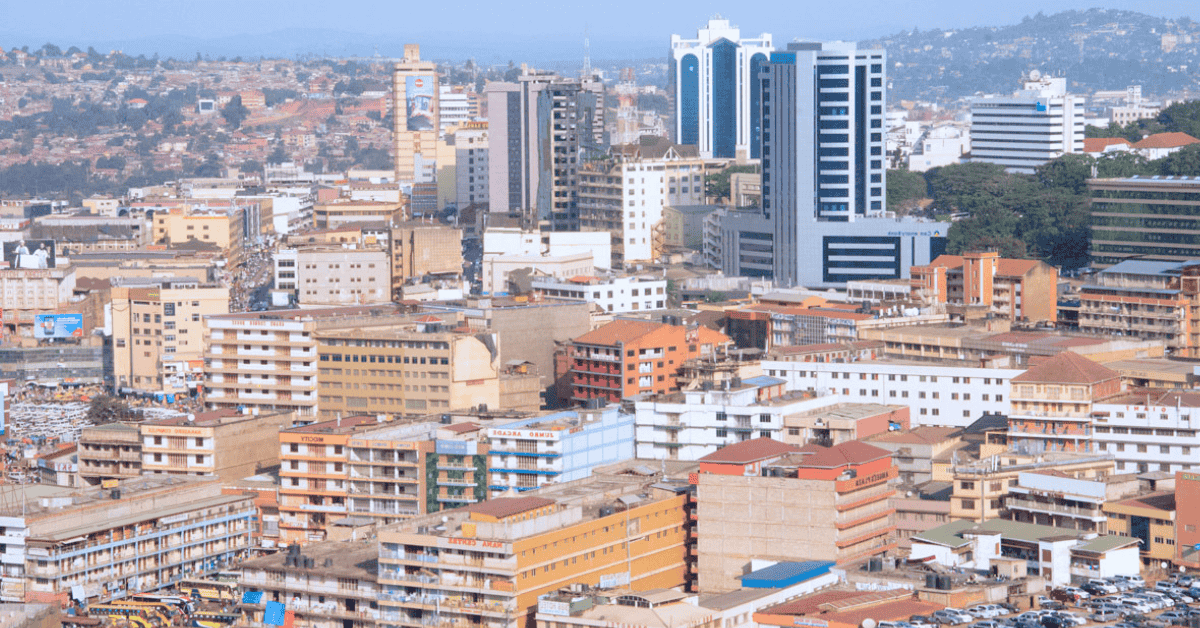
Kampala, Uganda’s capital city, continues experiencing major urban transformation in 2026.
Construction projects, apartment developments, shopping centers, transportation improvements, and commercial expansion continue reshaping parts of the city.
Traffic congestion remains one of Kampala’s biggest urban challenges. Authorities continue discussing road expansion projects, improved public transportation systems, and smart city planning strategies.
The city’s growing business environment has attracted local startups, international investors, technology companies, and hospitality brands.
Kampala also remains Uganda’s cultural and entertainment center, with music, nightlife, fashion, sports, and digital media industries continuing to grow rapidly.
Social media creators and content influencers have helped increase Uganda’s online visibility internationally.
Uganda Tourism Industry Continues Recovering
Tourism remains one of Uganda’s most important industries in 2026.
International tourist arrivals continue increasing as global travel demand recovers strongly. Uganda’s tourism sector has gained momentum through wildlife tourism, adventure tourism, gorilla trekking, cultural experiences, and safari travel.
Bwindi Impenetrable National Park remains one of the country’s biggest attractions because of its mountain gorilla population.
Queen Elizabeth National Park, Murchison Falls National Park, and the Nile River also continue attracting international travelers seeking wildlife and adventure experiences.
Tourism authorities have increased global marketing campaigns to promote Uganda as one of Africa’s top travel destinations.
Travel influencers, wildlife photographers, and documentary creators continue helping showcase Uganda’s natural beauty to international audiences.
Improved visa systems, expanding hotel investments, and upgraded airport infrastructure have also supported tourism growth.
Uganda Technology Sector Growing Rapidly
Uganda’s technology sector continues evolving quickly in 2026.
Young entrepreneurs are increasingly launching startups focused on fintech, digital payments, e-commerce, agriculture technology, education technology, and mobile services.
Internet access and smartphone usage have expanded significantly over recent years, especially among younger populations.
Social media platforms continue influencing business, entertainment, politics, education, and communication across the country.
Ugandan software developers and tech innovators are gaining greater international recognition for creating solutions adapted to local African markets.
Technology hubs and innovation centers in Kampala continue supporting startup growth and digital skills development.
The rise of remote work and digital freelancing has also created new income opportunities for some young professionals.
Uganda Political Environment in 2026
Politics continues remaining one of the most discussed topics in Uganda news coverage during 2026.
Political discussions often focus on governance, elections, opposition movements, economic policy, youth unemployment, and democratic reforms.
International organizations and observers continue monitoring Uganda’s political developments closely because of the country’s strategic importance in East Africa.
Political debates on social media platforms have become increasingly influential, especially among younger voters and urban populations.
Government officials continue emphasizing stability, economic growth, infrastructure development, and regional cooperation as key priorities.
At the same time, political critics continue calling for reforms related to governance, transparency, and civil liberties.
Political conversations remain highly active both inside Uganda and internationally.
Uganda Youth Population and Employment Challenges
Uganda has one of the youngest populations in the world.
In 2026, youth employment remains a major national issue. Large numbers of young people enter the workforce every year, increasing pressure on the job market.
Many graduates continue searching for stable employment opportunities in both public and private sectors.
Entrepreneurship, online business, digital freelancing, agriculture innovation, and vocational training have become increasingly important pathways for young people seeking income opportunities.
Youth-focused government programs and international development initiatives continue aiming to improve employment and skills development.
However, unemployment and underemployment remain serious concerns for many communities.
Economic experts believe Uganda’s future growth will depend heavily on how successfully the country creates opportunities for its expanding youth population.
Uganda Education Sector Updates
Education remains an important focus area in Uganda during 2026.
Schools, universities, vocational centers, and digital learning platforms continue expanding access to education across different regions.
Technology integration in classrooms has increased, especially in urban areas where internet connectivity has improved.
However, educational inequality between urban and rural communities continues presenting challenges.
Many schools still face shortages related to infrastructure, teacher training, internet access, and learning resources.
International education partnerships and nonprofit programs continue supporting education development projects throughout the country.
Parents and students increasingly view education as one of the most important paths toward economic mobility and career success.
Uganda Healthcare Developments in 2026
Healthcare systems continue receiving significant attention in Uganda during 2026.
Government agencies and international health organizations remain focused on improving healthcare infrastructure, disease prevention, vaccination programs, maternal health, and medical accessibility.
Hospitals and clinics in urban areas have seen improvements in equipment and services, although healthcare access remains more difficult in some rural regions.
Digital healthcare technology and mobile health services are also becoming more common.
Public health awareness campaigns continue focusing on sanitation, nutrition, infectious diseases, and preventive care.
Healthcare investment remains essential as Uganda’s population continues growing rapidly.
Uganda Climate and Environmental News
Climate and environmental issues remain important parts of Uganda’s national conversation in 2026.
Flooding, changing rainfall patterns, deforestation, and environmental conservation continue affecting communities and ecosystems.
Environmental organizations continue advocating for wildlife protection, sustainable tourism, and forest conservation.
Uganda’s national parks remain globally important because of their biodiversity and endangered wildlife populations.
Climate discussions have also become connected to debates surrounding oil development and industrial expansion.
Balancing economic growth with environmental sustainability continues remaining one of Uganda’s biggest long-term challenges.
Uganda International Relations and Regional Influence
Uganda continues playing an important role in East African regional politics and trade cooperation.
The country maintains strong connections with neighboring countries including Kenya, Rwanda, Tanzania, South Sudan, and the Democratic Republic of Congo.
Regional trade agreements, transportation networks, security cooperation, and cross-border investment continue shaping Uganda’s international relationships.
Uganda also remains involved in peacekeeping and regional security discussions within Africa.
International partnerships with China, the United States, European nations, Gulf countries, and development organizations continue influencing infrastructure projects and economic investment.
Uganda’s growing geopolitical importance has increased international attention toward the country in recent years.
Uganda Entertainment and Music Industry Growth
Uganda’s entertainment industry continues growing rapidly in 2026.
Musicians, filmmakers, comedians, social media influencers, and digital creators are gaining larger audiences both locally and internationally.
Afrobeats, dancehall, hip-hop, and local Ugandan music styles continue becoming more globally recognized.
Streaming platforms and social media have helped Ugandan artists reach international audiences more easily.
Fashion, nightlife, and youth culture also continue evolving quickly in urban areas.
Entertainment industries have become important sources of income and cultural influence among younger generations.
Infrastructure Projects Changing Uganda
Large infrastructure projects continue shaping Uganda’s future in 2026.
Road construction, electricity expansion, industrial development zones, airport modernization, and transportation improvements remain national priorities.
Improved infrastructure is expected to support trade, tourism, manufacturing, and regional connectivity.
International investors continue participating in several major development projects throughout the country.
However, funding challenges, debt concerns, and project management issues remain important topics in economic discussions.
Many analysts believe infrastructure investment will play a major role in determining Uganda’s long-term economic competitiveness.
Social Media Influence on Uganda News
Social media platforms now play a huge role in shaping public discussion in Uganda.
News spreads rapidly through platforms such as TikTok, Facebook, YouTube, Instagram, and X.
Young Ugandans increasingly consume news through digital creators, influencers, and independent online media channels rather than traditional television or newspapers alone.
This digital transformation has changed political communication, entertainment promotion, business marketing, and public debate.
At the same time, misinformation and online political tension have also become concerns.
Digital communication continues transforming how Ugandans interact with national and global events.
The biggest 2026 Uganda latest news stories reveal a country experiencing rapid change, opportunity, and ongoing challenges.
Uganda continues attracting international attention because of its oil projects, tourism industry, young population, digital growth, infrastructure expansion, and regional importance in East Africa.
At the same time, economic inequality, employment pressure, healthcare access, environmental concerns, and political debates continue shaping national conversations.
For international readers, Uganda represents one of Africa’s most dynamic and closely watched countries in 2026.
As development projects continue advancing and global interest grows, Uganda’s future will likely remain an important topic in international news discussions for years to come.










- SSC Exam Result check 2026 Bangladesh
- NU Degree Result 2026 Bangladesh: Full Guide
- India Tourist Visa for Bangladeshis Resumes From May 6
- Eid al Fitr 2026 UAE Dates Confirmed and Expected Globally
- Cleaner Job Circular 2026 Saudi Arabia Latest Hiring Update
- Dubai-bound flight catches fire after taking off from Nepal
- Turkey`s homegrown 5th-generation fighter jet named KAAN
- Shihab Chottur reaches Makkah from India in 12 months
- Eid Ul Adha 2023 in Saudi Arabia!
- India gets new parliament building