Imran Al mamun
When is the Best Travel Time to Visit North India
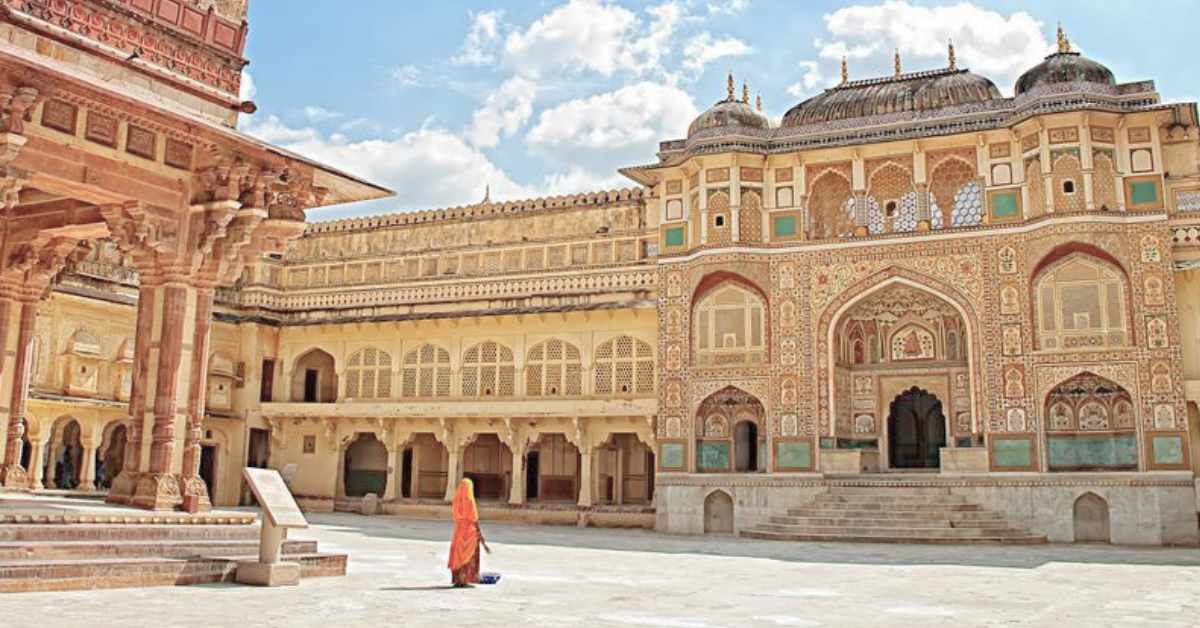
Planning a journey to North India is an adventure across contrasting landscapes. The region spans the snow-capped peaks of the Himalayas, the vast expanses of the Thar Desert, and the historic plains of the Ganges river basin.
Because the geography varies so dramatically, determining the best travel time depends heavily on the specific experiences you want to collect.
Whether your dream involves watching the sunrise over the Taj Mahal in crisp morning air, tracking Bengal tigers in Rajasthan, or trekking through the high-altitude deserts of Ladakh, choosing the right months ensures your journey is comfortable and visually stunning. This comprehensive seasonal blueprint breaks down North India’s weather cycles to help you plan the perfect itinerary.
The Peak Season: October to March (The Golden Window)
For the vast majority of international travelers, the months between October and March represent the absolute best travel time for North India. This period covers the autumn, winter, and early spring months, offering mild daytime temperatures and beautifully clear skies across the plains.
Autumn and Festival Season (October and November)
This is a magical transition period. The monsoon rains have departed, leaving the countryside lush and green. Daytime temperatures average a comfortable 25°C to 30°C, making it an ideal window for walking tours through Old Delhi or exploring the massive hilltop forts of Jaipur and Jodhpur.
This window also coincides with major cultural festivals like Diwali (the Festival of Lights) and the iconic Pushkar Camel Fair in Rajasthan, offering travelers an unparalleled look into deep-rooted Indian traditions.
The Peak Winter Months (December and January)
Winter brings cool, crisp days and chilly nights. In cities like Delhi, Agra, and Varanasi, daytime temperatures hover around 15°C to 20°C, though night temperatures can drop to 5°C or lower. Morning fog is common during these two months, which can occasionally impact train and flight schedules.
However, exploring the intricate stone carvings of Fatehpur Sikri or taking a boat ride along the Ganges in Varanasi without the intense summer heat makes winter the most popular time for sightseeing.
Early Spring (February and March)
February and March are widely considered perfect travel months. The winter chill fades, replaced by warm, sunny days and comfortable evenings. The fields of Punjab turn a brilliant yellow with mustard blooms, and the pleasant weather makes it excellent for wildlife safaris in national parks like Ranthambore and Jim Corbett, as animals frequently emerge to bask in the pleasant sun.
The Shoulder Season: April and September (The Transition Months)
If you prefer to avoid large tourist crowds and take advantage of lower hotel rates, the shoulder months provide a viable alternative, provided you plan around the changing climate.
+-------------------+-----------------------+-----------------------------------+
| Month             | Climate Character     | Best Regional Focus               |
+-------------------+-----------------------+-----------------------------------+
| April             | Rapidly Rising Heat   | Himalayan Foothills (Rishikesh)   |
+-------------------+-----------------------+-----------------------------------+
| September         | Post-Monsoon Humidity | National Parks & Green Valleys    |
+-------------------+-----------------------+-----------------------------------+
The Onset of Heat (April)
By April, the plains of North India begin to heat up significantly, with temperatures routinely climbing past 35°C. While midday sightseeing in Rajasthan can feel draining, the mornings and evenings remain manageable. April is a fantastic time to head toward the Himalayan foothills, where towns like Shimla, Dharamshala, and Rishikesh offer cooler air and beautiful spring blossoms.
The Monsoon Retreat (September)
September marks the official end of the rainy season. While humidity levels remain quite high, the heavy downpours subside into occasional showers. The primary benefit of traveling in September is the lack of crowds and the vibrant green state of the landscape. Monuments are uncrowded, luxury heritage hotels offer excellent off-season discounts, and waterfalls in the hilly regions are at their most spectacular capacity.
The Off-Peak Season: May to August (Summer and Monsoons)
The summer and monsoon months present distinct environmental challenges across the plains, but they simultaneously unlock premium travel windows for the high-altitude Himalayan frontier.
The Scorching Summer (May and June)
During May and June, extreme heat sweeps across the northern plains. Temperatures in cities like Jaipur, Delhi, and Agra can spike to a grueling 40°C to 45°C. Outdoor sightseeing during the afternoon is highly uncomfortable and physically taxing.
If you travel during this time, it is vital to restrict your outdoor activities to the early dawn hours, stay thoroughly hydrated, and ensure your accommodations and transport are fully air-conditioned.
The Heavy Rains (July and August)
The southwest monsoon arrives in July, bringing heavy rain systems that help cool the baked earth but can cause localized urban flooding and travel delays. In the mountainous regions of Himachal Pradesh and Uttarakhand, heavy rains can trigger dangerous landslides, making hill-station road trips risky.
The Exception: Ladakh and High-Altitude Trekking
While the plains suffer through summer heat and rain, May to August is the absolute peak travel window for the trans-Himalayan region of Ladakh. Shielded from the monsoon by the high mountain peaks, Ladakh remains dry, sunny, and accessible. The high-altitude mountain passes clear of snow, making summer the only time you can securely drive the spectacular road routes from Manali or Srinagar to Leh.
Aligning Your Itinerary with the Ideal Climate
To get the most out of your journey, coordinate your regional destinations directly with the local weather patterns:
-
For the Golden Triangle (Delhi, Agra, Jaipur): Stick firmly to the cool winter window between October and March to enjoy outdoor architecture comfortably.
-
For Spiritual and River Experiences (Varanasi, Haridwar): Choose October, November, or February to experience evening riverside prayers without intense heat or monsoon swelling.
-
For Mountain Retreats (Himachal, Uttarakhand): Aim for March to June for pleasant weather, or October to November for clear, post-monsoon mountain views.
-
For Adventure Trekking (Ladakh, Zanskar): Plan exclusively between June and September when the high-altitude trails are entirely free of winter snow blockages.
Understanding these regional shifts allows you to align your travel expectations with India's diverse seasonal rhythms, ensuring your journey through the northern subcontinent is both comfortable and unforgettable.







- SSC Exam Result check 2026 Bangladesh
- NU Degree Result 2026 Bangladesh: Full Guide
- India Tourist Visa for Bangladeshis Resumes From May 6
- Eid al Fitr 2026 UAE Dates Confirmed and Expected Globally
- Dubai-bound flight catches fire after taking off from Nepal
- Turkey`s homegrown 5th-generation fighter jet named KAAN
- Shihab Chottur reaches Makkah from India in 12 months
- Cleaner Job Circular 2026 Saudi Arabia Latest Hiring Update
- Eid Ul Adha 2023 in Saudi Arabia!
- India gets new parliament building