
Rupom Acharjee
Tarapith Mahashmashan: History, Tantra & Spirituality
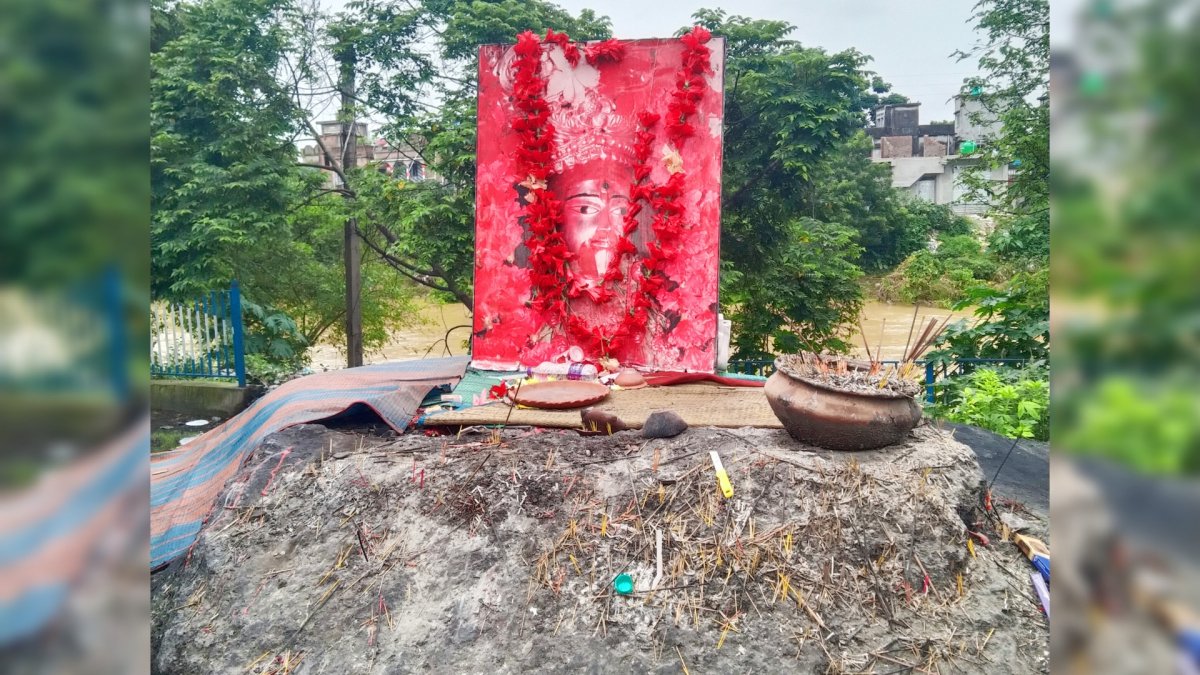
Tarapith Mahashmashan
Located in the Birbhum district of West Bengal, India, the small town of Tarapith is renowned worldwide for the sacred Temple of Goddess Tara. Adjacent to the temple lies the historic Tarapith Mahashmashan (Great Cremation Ground), a place that has long been regarded as one of the most mysterious and spiritually significant centers of Tantric practice. For centuries, it has attracted Tantric practitioners, ascetics, scholars, researchers, and devotees from across the world.
Tarapith Mahashmashan is far more than a cremation ground. In Hindu Tantric philosophy, it symbolizes the awakening of spiritual energy, the cycle of birth and death, renunciation, and self-realization. Countless spiritual seekers have undertaken rigorous meditation and austerities here in pursuit of enlightenment and mystical accomplishment.
According to ancient Shakta traditions, the third eye of Goddess Sati is believed to have fallen at this site, making Tarapith one of the revered Shakti Peethas. Over time, it evolved into one of the foremost centers of Tantric worship and spiritual practice in the Indian subcontinent.
The Mahashmashan gained even greater prominence during the nineteenth century with the arrival of the revered saint Bamakhepa, one of the greatest devotees of Goddess Tara. He spent years meditating and performing intense Tantric disciplines in the cremation ground. His extraordinary spiritual life, unwavering devotion, and the many miraculous stories associated with him continue to inspire countless devotees.
During daylight, Tarapith Mahashmashan appears calm and tranquil. However, as evening descends, the atmosphere transforms dramatically. Towering trees surround the cremation ground, funeral pyres send smoke into the night sky, incense fills the air, and the sounds of conch shells, temple bells, and sacred chants create an atmosphere of profound mystery. Many ascetics remain immersed in meditation and prayer throughout the night, while others worship Goddess Tara and Smashan Kali in solitude.
Within Hindu Tantric philosophy, the cremation ground is regarded as one of the highest places for spiritual practice because it constantly reminds practitioners of life's impermanence and the inevitability of death. On occasions such as the new moon, Kali Puja, Dipanwita Amavasya, and other sacred observances, numerous Tantric practitioners gather at Tarapith Mahashmashan to perform rituals under the guidance of their spiritual masters. Authentic Tantric practice is a deeply spiritual discipline rooted in tradition and strict guidance, and it differs significantly from the myths, fears, and exaggerated stories often associated with Tantra.
Among the many spiritual figures connected with Tarapith, Bamakhepa remains the most revered. Though his unconventional lifestyle often puzzled ordinary people, devotees regarded him as an enlightened saint. He spent long periods practicing meditation and austerities in the Mahashmashan. Traditional accounts describe numerous miraculous events associated with his life, and even after his passing, his shrine continues to be a sacred destination for thousands of pilgrims.
Tarapith Mahashmashan serves as a powerful reminder that death is as certain as birth. It encourages individuals to let go of pride, greed, and attachment while embracing compassion, devotion, and inner purification. Visitors often describe the cremation ground as a place that inspires deep introspection and spiritual reflection.
Every day, thousands of pilgrims and tourists from India and abroad visit Tarapith. Some come to offer prayers, some to fulfill vows, while others are drawn by the site's remarkable history and spiritual heritage. Many visitors initially find the Mahashmashan intimidating, but after spending time there, they experience an overwhelming sense of peace and spiritual calm. Whether bathed in the soft light of dawn or enveloped in the silence of midnight, the atmosphere offers a uniquely transformative experience.
Beyond its religious significance, Tarapith Mahashmashan occupies a distinguished place in Bengali culture, literature, folklore, and cinema. Writers, historians, photographers, and researchers have long found inspiration in its unique spiritual landscape. During Kali Puja, Amavasya, and other major religious festivals, hundreds of thousands of devotees gather here, contributing significantly to the local economy, tourism, and cultural heritage.
Given its immense historical and religious importance, preserving the environment, cleanliness, and architectural heritage of Tarapith Mahashmashan is essential. Visitors are encouraged to respect its sacred atmosphere, maintain cleanliness, and follow local customs and regulations.
Tarapith Mahashmashan is not merely a cremation ground. It is a timeless meeting point of spiritual discipline, Shakti worship, history, and profound philosophical reflection. For centuries, it has continued to captivate devotees, saints, scholars, and travelers alike. Even today, as dusk settles and the fragrance of incense mingles with the sounds of temple bells and hymns dedicated to Goddess Tara, the Mahashmashan quietly reminds humanity that beyond the boundary between life and death, the journey of faith, devotion, and self-discovery never truly ends.






- How to Identify Fake Currency Notes in Bangladesh
- How to pick a good Mango
- What is the Difference Between a Coma and Brain Death?
- 10 Father`s Day Gift Ideas for Retired Dads
- Sea Level Rise in Bangladesh Faster Than Global Average
- 9 Common foods that don`t expire for years!
- Summer and sundresses!
- Gifts you can give to children on Eid
- Osmani Hospital launched pass card system for patient`s relatives
- Abnormal sleep patterns impact lung health