
Imran Al Mamun
Uganda Farming Landscape Shifts Amid Record Growth
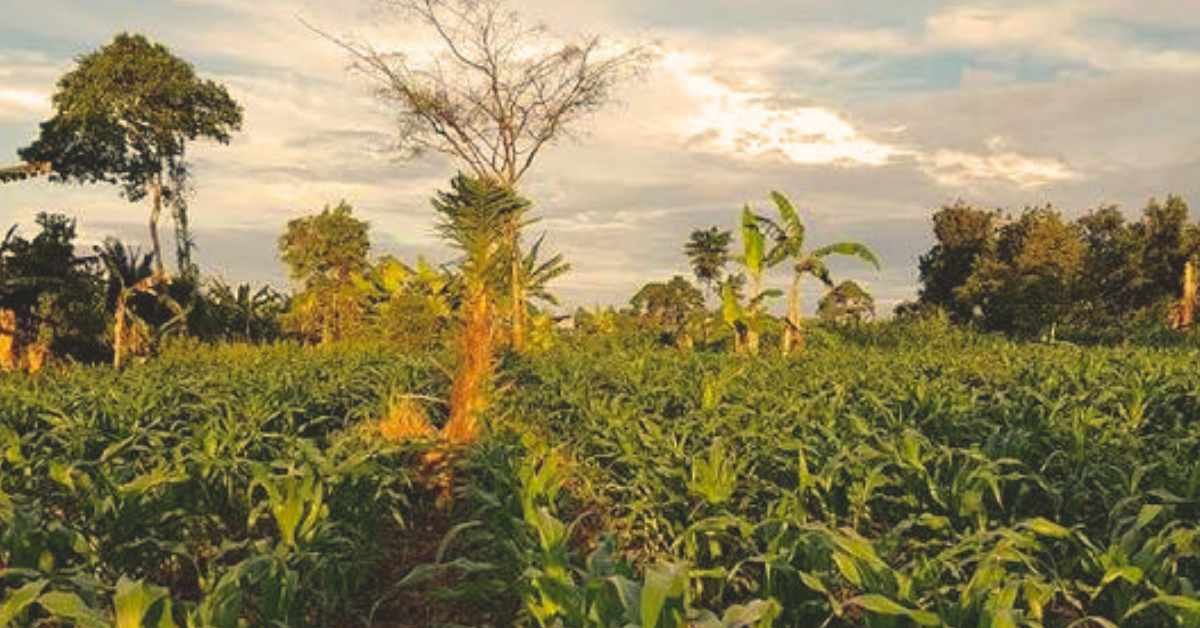
The agricultural sector in Uganda is experiencing a massive transformation marked by contrasting realities of economic triumph, environmental adversity, and unprecedented global legal challenges. As the backbone of the East African nation's economy, farming supports millions of livelihoods and dictates national economic stability. Recent macroeconomic indicators reveal that Uganda's agricultural production has surged significantly, driven by a global boom in cash crop exports.
However, this growth narrative is complicated by severe localized droughts and a high-stakes international lawsuit launched by local farmers that could disrupt the country's economic future.
The dual nature of the current agricultural situation highlights the resilience of Ugandan smallholders alongside the systemic vulnerabilities they face daily. While large-scale national initiatives report historic milestones, rural communities are battling erratic weather patterns that threaten localized food security. Navigating these economic successes and climatic challenges remains the central focus for policymakers, industry experts, and development partners looking to secure long-term agricultural sustainability.
Agriculture Sector Growth Surges Beyond Historic Decadal Averages
Fresh macroeconomic data released by the Uganda Bureau of Statistics shows that Uganda's agriculture, forestry, and fisheries sector expanded by an impressive 6.7 percent during the recent financial year. This performance significantly outperforms the decade-long average growth rate of approximately 4.2 percent, positioning agriculture as a primary driver of national economic expansion. The sector's overall contribution to the national Gross Domestic Product has risen to 27.4 percent, reaffirming its status as the foundational pillar of the country's financial stability.
The primary driver behind this remarkable growth is the cash crop subsector, which experienced a 12.1 percent expansion. High global market prices for premium Ugandan coffee have allowed local exporters to generate substantial revenue, boosting household incomes for hundreds of thousands of coffee farmers across central and western regions. Government-led support programs, including mechanization partnerships and structural financing models with regional banks, have enabled organized agricultural cooperatives to acquire modern tractors and processing machinery, shifting many rural communities from subsistence farming toward commercial enterprises.
Despite these positive national indicators, independent economic analysts caution that structural bottlenecks remain unresolved. A significant portion of the recent performance is heavily dependent on favorable global commodity pricing rather than structural improvements in widespread farm productivity. Furthermore, post-harvest losses continue to affect the grain industry, with experts estimating that Uganda loses between 30 and 40 percent of its annual grain production due to inadequate storage facilities, limited cold-chain logistics, and widespread aflatoxin contamination.
Prolonged Drought Causes Extensive Crop Failures in Northern Regions
In sharp contrast to the economic boom observed in the cash crop sector, farmers across Northern and Eastern Uganda are dealing with devastating losses following an extended dry spell. Rain patterns that began normally at the onset of the traditional planting season suddenly ceased, leaving vast fields of maize, sorghum, and soybeans without moisture during critical growth stages. The lack of precipitation over two consecutive months has caused extensive crop failures, raising immediate concerns regarding localized food shortages and severe financial distress for rural families.
Agricultural communities in districts like Amuru report that millions of shillings invested in seeds, fertilizers, and land preparation have evaporated as mature crops withered under the intense sunshine. Many smallholders who strictly followed early seasonal weather forecasts found themselves vulnerable when the rainfall patterns diverged from historical norms. The crisis has extended beyond crop cultivation, affecting local water sources and reducing water levels in vital regional rivers, which has disrupted municipal water supplies and livestock production.
The ongoing climate crisis has renewed urgent calls from regional development associations for immediate government intervention in rural infrastructure. Agricultural experts emphasize that relying entirely on rain-fed agriculture is no longer viable due to increasingly unpredictable weather shifts. Local leaders are advocating for massive state investment in small-scale solar irrigation schemes, expanded afforestation programs, and the distribution of specialized drought-resistant seed varieties to help vulnerable farming communities adapt to the changing climate reality.
Ugandan Farmers Initiate Precedent Setting Legal Action in United Kingdom Court
Adding a complex international dimension to the farming sector, a group of local Ugandan farmers has officially launched a historic legal challenge in the United Kingdom High Court against the operators of the multi-billion-dollar East African Crude Oil Pipeline. The lawsuit represents a novel legal strategy, seeking to apply Ugandan constitutional, environmental, and climate laws directly to a corporate entity registered in England. This international legal battle comes just months before the massive infrastructure project is scheduled to begin transporting crude oil exports across East Africa to international markets.
The legal claim focuses heavily on the direct environmental and human toll that the pipeline construction inflicts upon local farming communities. The claimants argue that the massive land acquisition process has already disrupted or displaced more than 100,000 individuals, many of whom are farmers who lost access to fertile agricultural lands. Environmental advocates participating in the suit warn that the pipeline’s planned route cuts directly through fragile ecosystems, critical freshwater systems, and protected wildlife migration paths, presenting a severe risk of long-term contamination to agricultural water sources.
This legal action has sparked an intense debate regarding national sovereignty and economic development. The African Energy Chamber and government officials have expressed strong opposition to the foreign litigation, characterizing the lawsuit as an attempt by external organizations to dictate the energy future of an independent African state. Supporters of the infrastructure project argue that utilizing the country's oil resources is essential for generating the public revenue needed to fund national infrastructure, including the very roads, processing facilities, and power grids required to modernize Uganda's farming economy.
Strategic Innovations and the Path Toward Agricultural Sustainability
As Uganda balances economic growth against environmental and corporate challenges, the adoption of agritech innovation is becoming a critical tool for long-term survival. National initiatives are increasingly focusing on empowering young innovators to develop localized digital platforms that serve smallholders. These youth-led enterprises are introducing mobile applications that provide farmers with accurate real-time weather monitoring, digital marketplace access, and direct links to financial credit facilities, allowing them to manage market risks more effectively.
Simultaneously, grassroots peasant movements across the country are pushing back against the widespread use of highly hazardous pesticides, many of which face strict bans in international markets like the European Union. Local farming associations are actively promoting agroecology, a sustainable farming approach that prioritizes organic practices, soil health, and natural biodiversity over heavy chemical reliance. By improving soil water retention and minimizing chemical expenditures, these ecological farming methods offer a practical path toward building resilient food systems capable of enduring climate shocks.
The future trajectory of Uganda’s agricultural economy will depend heavily on how successfully the nation addresses these intersecting issues. Maximizing the financial benefits of top-tier export commodities like coffee while protecting vulnerable food crop farmers from devastating droughts requires a balanced, multi-faceted national strategy. With increased investments in rural processing plants, sustainable water management infrastructure, and fair corporate policies, Uganda's agricultural sector can transition from a vulnerable economic pillar into a highly competitive, climate-resilient global powerhouse.










- SSC Exam Result check 2026 Bangladesh
- NU Degree Result 2026 Bangladesh: Full Guide
- India Tourist Visa for Bangladeshis Resumes From May 6
- Eid al Fitr 2026 UAE Dates Confirmed and Expected Globally
- Cleaner Job Circular 2026 Saudi Arabia Latest Hiring Update
- Dubai-bound flight catches fire after taking off from Nepal
- Turkey`s homegrown 5th-generation fighter jet named KAAN
- Shihab Chottur reaches Makkah from India in 12 months
- Eid Ul Adha 2023 in Saudi Arabia!
- Malaysia Calling Visa 2026: Policy Updates, Application Process