Imran Al mamun
National Minimum Wage UK 2026: New Rates and Who Benefits
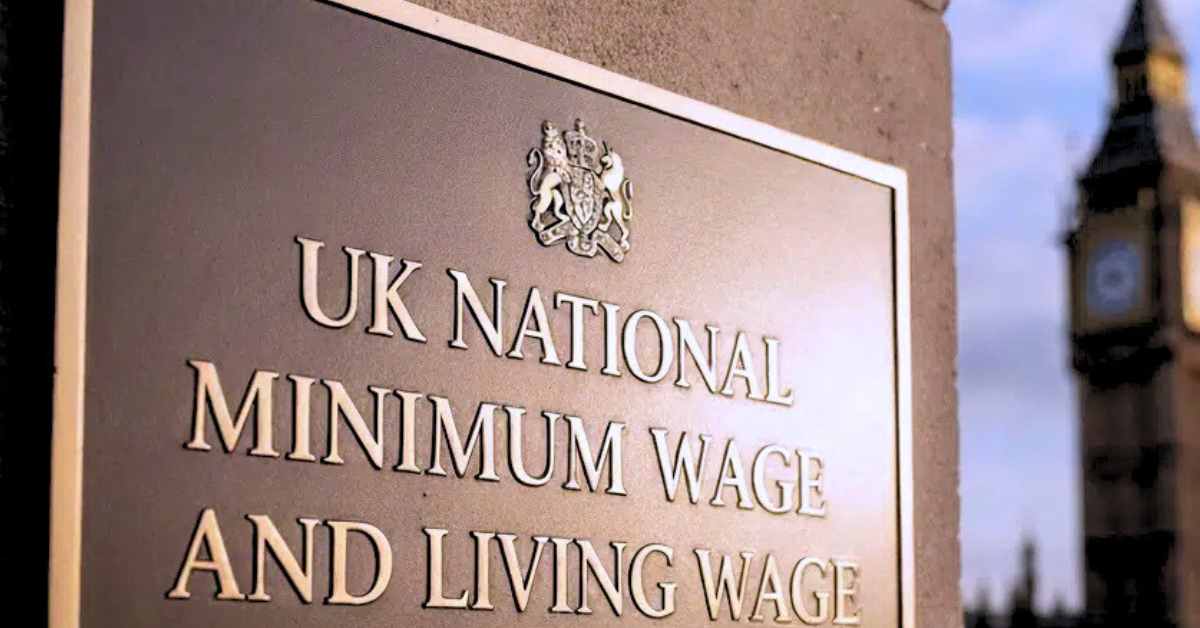
The National Minimum Wage in the UK has officially increased from April 2026, bringing a significant boost to millions of workers across the country. This latest update is being seen as a crucial step in tackling rising living costs while ensuring fair pay for employees of all ages.
From young workers to apprentices, the revised National Minimum Wage structure introduces higher hourly rates and clearer eligibility rules. If you’re working in the UK or planning to enter the job market, understanding these changes is essential.
New National Minimum Wage Rates from April 2026
The updated National Minimum Wage rates, effective from 1 April 2026, are as follows:
- Aged 21 and over (National Living Wage): £12.71 per hour
- Aged 18 to 20: £10.85 per hour
- Under 18: £8.00 per hour
- Apprentice rate: £8.00 per hour
Workers aged 21 and above now qualify for the National Living Wage, which is the highest tier within the National Minimum Wage system. This change reflects the government’s ongoing effort to support workers amid increasing economic pressure.
Who Qualifies for the National Minimum Wage?
Eligibility for the National Minimum Wage depends on age and employment status. In general:
- Anyone above school leaving age is entitled to the National Minimum Wage
- Workers aged 21 and over receive the National Living Wage
- Those aged 20 and under are paid according to their respective age brackets
This structure ensures that younger workers still have access to fair pay while gaining work experience.
Apprentice Pay Rules Explained
Apprentices are covered under special rules within the National Minimum Wage framework.
Apprentice Rate Eligibility
Apprentices are entitled to the £8 hourly rate if they are:
Under 19 years old, or
Aged 19 or over but in the first year of their apprenticeship
Example:
A 21-year-old apprentice in their first year will receive £8 per hour under the National Minimum Wage rules.
After the First Year
Once an apprentice:
- Is aged 19 or over, and
- Has completed the first year of their apprenticeship
They become eligible for the full National Minimum Wage rate for their age group.
Example:
A 21-year-old apprentice who has completed their first year will earn £12.71 per hour.
Previous National Minimum Wage Rates: What’s Changed?
The latest National Minimum Wage increase builds on steady growth over recent years.
- April 2025 to March 2026
- 21 and over: £12.21
- 18 to 20: £10.00
- Under 18: £7.55
- Apprentice: £7.55
- April 2024 to March 2025
- 21 and over: £11.44
- 18 to 20: £8.60
- Under 18: £6.40
These figures highlight a clear upward trend in the National Minimum Wage, with 2026 marking one of the most notable increases yet.
Long-Term Changes in the National Living Wage
The National Minimum Wage system has evolved significantly over time:
- Before April 2021: National Living Wage applied only to those aged 25+
- 2021–2024: Threshold reduced to 23+
- From April 2024 onwards: Now applies to workers aged 21+
This gradual expansion means more workers are now benefiting from higher pay earlier in their careers.
Why the National Minimum Wage Is Increasing
Several key factors have driven the rise in the National Minimum Wage:
Rising Cost of Living
With inflation affecting essentials like food, rent, and energy, higher wages are necessary to maintain living standards.
Supporting Low-Income Workers
The increase aims to reduce income inequality and provide better financial security for lower-paid workers.
Encouraging Workforce Participation
Better wages make employment more attractive, especially for young people entering the workforce.
How to Check If You’re Being Paid Correctly
If you’re unsure whether you’re receiving the correct National Minimum Wage, you should:
- Review your payslips and hourly rate
- Compare your pay with the official rates
- Raise concerns with your employer if discrepancies arise
Workers who believe they are underpaid have the right to take further action through appropriate channels.
Impact on Young Workers and Apprentices
The 2026 update to the National Minimum Wage is particularly significant for younger workers. By lowering the age threshold for the National Living Wage to 21, more individuals can access higher earnings earlier in their careers.
This change is expected to:
- Improve financial independence for young workers
- Increase motivation to enter apprenticeships
- Strengthen overall workforce participation
- Expert Insight: What This Means for the UK Economy
Economists suggest that the National Minimum Wage increase could have a mixed impact:
- Positive: Boosts consumer spending and reduces poverty
- Challenging: May increase costs for small businesses
However, the overall outlook remains optimistic, with many viewing the rise as a necessary adjustment in today’s economic climate.
A Significant Step Forward for UK Workers
The 2026 increase in the National Minimum Wage marks a major development in the UK labour market. With higher hourly rates, expanded eligibility, and improved support for apprentices, this update is set to benefit millions.
As living costs continue to rise, staying informed about the National Minimum Wage is more important than ever. Whether you’re a worker, employer, or job seeker, understanding these changes can help you make better financial decisions in the year ahead.










- SSC Exam Result check 2026 Bangladesh
- NU Degree Result 2026 Bangladesh: Full Guide
- India Tourist Visa for Bangladeshis Resumes From May 6
- Eid al Fitr 2026 UAE Dates Confirmed and Expected Globally
- Dubai-bound flight catches fire after taking off from Nepal
- Turkey`s homegrown 5th-generation fighter jet named KAAN
- Shihab Chottur reaches Makkah from India in 12 months
- Cleaner Job Circular 2026 Saudi Arabia Latest Hiring Update
- Eid Ul Adha 2023 in Saudi Arabia!
- India gets new parliament building