Imran Al mamun
Hormuz Strait Map sparks global tension energy fears
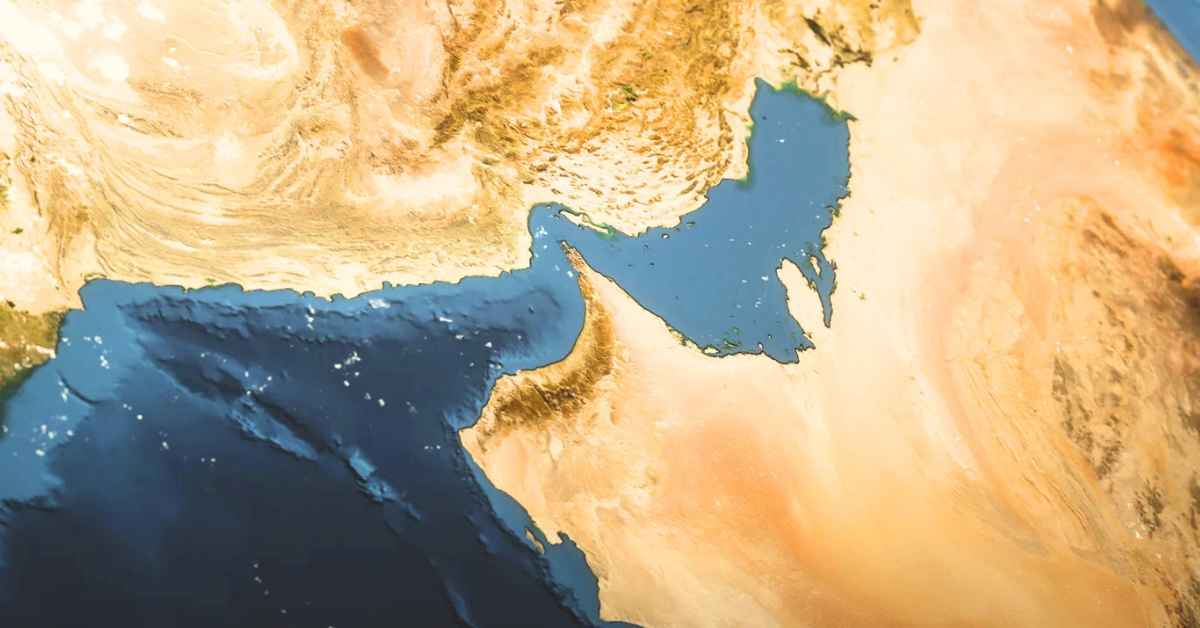
The hormuz strait map is once again at the center of global attention—and this time, the stakes are higher than ever. Why are world leaders, analysts, and energy markets all focused on this narrow stretch of water? What makes it so critical that even a small disruption could shake the global economy?
At first glance, the hormuz strait map may appear to be just another maritime route. But in reality, it represents one of the most powerful geopolitical pressure points in the world today. And with rising tensions in 2026, its importance has become even more urgent.
What is the Hormuz Strait Map and where is it located
The hormuz strait map shows a strategically vital waterway that connects the Persian Gulf to the Gulf of Oman and the open ocean.
On the northern side lies Iran, while the southern coast is shared by the United Arab Emirates and Oman’s Musandam Peninsula.
The strait stretches roughly 167 kilometers in length, with its narrowest width shrinking to about 39 kilometers. This tight passage is exactly what makes the hormuz strait map so significant—and so vulnerable.
Why the Hormuz Strait Map is critically important
Understanding the hormuz strait map is essential to understanding global energy security.
- Around 25% of the world’s seaborne oil trade passes through this route
- Nearly 20% of global LNG supply moves via this strait
- It serves as a lifeline for Europe and Asia’s energy needs
This makes the hormuz strait map not just a geographic reference—but a backbone of the global economy.
Countries most dependent on the Hormuz Strait
Several Gulf nations rely entirely on this passage for exporting energy:
- Qatar
- Kuwait
- Bahrain
- Saudi Arabia
- United Arab Emirates
Meanwhile, major Asian economies like China, India, Japan, and South Korea depend heavily on uninterrupted flow through this route.
This dependency further elevates the strategic importance of the hormuz strait map.
2026 crisis brings the Hormuz Strait Map back into focus
The hormuz strait map has become a focal point amid escalating tensions involving Iran in 2026.
Iran has repeatedly hinted at the possibility of closing the strait during conflicts. Although it has never been shut down for an extended period in history, even the threat alone can trigger panic in global oil markets.
Experts warn that any serious disruption could send oil prices soaring within days, impacting economies worldwide.
How navigation works in this narrow passage
Despite being one of the busiest maritime routes, the strait operates under strict navigation rules.
- Separate lanes for inbound and outbound ships
- Each lane is about two miles wide
- A buffer zone exists between lanes
Even with these measures, the hormuz strait map remains a high-risk zone due to geopolitical tensions and heavy traffic.
Historical significance of the Hormuz Strait
The importance of the hormuz strait map is deeply rooted in history.
- Portuguese control in the 16th century
- British influence in later centuries
- Modern geopolitical tensions involving global powers
Across centuries, control over this route has meant control over trade and power.
Major incidents that shaped its global importance
Tanker War
During the Iran-Iraq War in the 1980s, oil tankers were targeted, raising fears of a complete shutdown.
Operation Praying Mantis
In 1988, the United States launched a major military operation in response to Iranian actions in the region.
Iran Air Flight 655 tragedy
A civilian aircraft was mistakenly shot down, killing 290 people, highlighting the risks of military tension in the area.
Energy flow and global economic impact
The hormuz strait map is central to global trade flows.
- Millions of barrels of oil pass daily
- Over 85% of exports head to Asia
- Fertilizer shipments also depend on this route
If blocked, countries like India and China could face severe energy shortages. The ripple effects would be felt across industries, from transportation to agriculture.
Deep analysis how disruption could reshape global markets
A prolonged disruption in the hormuz strait map would not just affect oil prices—it could trigger a global economic shock.
- Energy costs would surge
- Supply chains would slow down
- Inflation could rise globally
Europe, already sensitive to energy supply issues, would face immediate pressure. Meanwhile, Asian economies would struggle to secure alternative energy routes.
In such a scenario, global powers might be forced to intervene, increasing the risk of wider conflict.
The hormuz strait map is far more than a simple geographic illustration. It is a symbol of global interdependence, vulnerability, and power.
As tensions rise in 2026, this narrow waterway holds the potential to influence everything—from fuel prices to international diplomacy.
One thing is clear:
As long as the world depends on oil and gas, the Hormuz Strait will remain one of the most critical—and fragile—choke points on Earth.










- SSC Exam Result check 2026 Bangladesh
- NU Degree Result 2026 Bangladesh: Full Guide
- India Tourist Visa for Bangladeshis Resumes From May 6
- Eid al Fitr 2026 UAE Dates Confirmed and Expected Globally
- Dubai-bound flight catches fire after taking off from Nepal
- Turkey`s homegrown 5th-generation fighter jet named KAAN
- Shihab Chottur reaches Makkah from India in 12 months
- Cleaner Job Circular 2026 Saudi Arabia Latest Hiring Update
- Eid Ul Adha 2023 in Saudi Arabia!
- India gets new parliament building