Imran Al mamun
Update: 11:31, 18 April 2026
Saudi Riyal Rate Today Bangladesh Sees Shifts Amid Central Bank
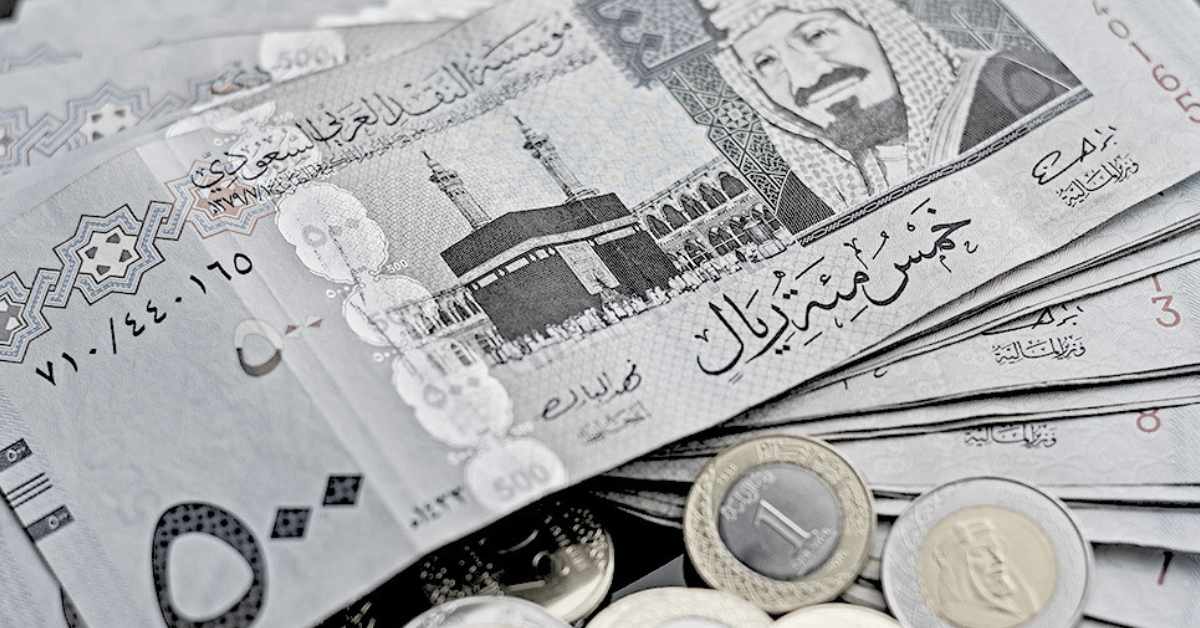
Expatriate workers and financial analysts are closely monitoring the foreign exchange market as the Saudi riyal rate today bangladesh experienced slight adjustments following recent policy directives from the central bank.
Commercial banks across Dhaka updated their currency exchange boards early Wednesday, reflecting new buying and selling margins for the Middle Eastern currency. This daily adjustment holds significant weight for the national economy, as remittances from Saudi Arabia constitute the largest single-country source of foreign currency reserves for the nation.
Commercial Banking Exchange Rates
State-owned and private commercial banks commenced trading with updated figures for inward remittances. Agrani Bank, Sonali Bank, and Janata Bank recorded a steady inflow of the Saudi currency during the first half of the business day. Bank officials confirmed that the exchange rates offered to expatriates sending money through legal channels remain highly competitive. Private commercial entities, including Islami Bank and Dutch-Bangla Bank, also adjusted their digital remittance portals to reflect the updated market conditions. Financial regulators maintain a strict oversight mechanism to ensure all authorized dealers adhere to the prescribed exchange corridors.
Open Market Currency Dynamics
The kerb market, commonly known as the open market, demonstrated a separate pricing dynamic compared to the institutional banking sector. Money changers in the Motijheel and Gulshan commercial areas reported consistent demand for the Saudi currency, primarily driven by individuals preparing for outbound travel. While the central bank discourages heavy reliance on the informal market, the gap between the bank rate and the kerb market rate remains a subject of daily observation. Authorities continue their surveillance operations across money exchange hubs to prevent artificial currency crises and ensure compliance with regulatory frameworks.
Impact of the Saudi Riyal Rate Today Bangladesh on Remittance Inflow
Any fractional movement in the Saudi riyal rate today bangladesh directly impacts the volume of money sent home by millions of expatriate workers. When the exchange rate offers a higher yield against the local currency, remittance inflows historically witness a sharp increase. Government incentive programs, which currently offer an additional percentage on top of the sent amount, work in tandem with the daily exchange rate to encourage the use of formal banking channels. Ministry of Finance data indicates that the combined effect of a favorable exchange rate and government incentives significantly bolsters the national foreign exchange reserves.
Central Bank Regulatory Measures
Bangladesh Bank recently introduced new mechanisms to stabilize the foreign exchange market, transitioning toward a crawling peg system. This macroeconomic strategy aims to align the local currency more closely with international market realities without causing sudden economic shocks. The adjustments seen in the exchange rate are a direct consequence of this managed flexibility. Central bank spokespersons have reiterated their commitment to maintaining a stable financial environment, ensuring that liquidity demands for essential imports are met while safeguarding the interests of wage earners abroad.
Hajj and Umrah Pilgrimage Financial Adjustments
The exchange rate holds profound implications for religious tourism. Thousands of citizens travel to Saudi Arabia monthly for Umrah, while a large contingent prepares annually for the Hajj pilgrimage. Travel agencies and tour operators constantly adjust their package pricing based on the fluctuating currency values. The Ministry of Religious Affairs coordinates with the banking sector to facilitate smooth currency conversion for pilgrims, ensuring that they receive fair rates when paying for accommodation, transportation, and other services in the Kingdom.
Bilateral Trade and Investment Alignments
Beyond individual remittances, the exchange rate heavily influences corporate trade between Dhaka and Riyadh. Bangladesh imports significant volumes of petroleum products, fertilizers, and industrial chemicals from Saudi Arabia. Conversely, the export of ready-made garments, agricultural products, and pharmaceuticals to the Gulf nation is an expanding sector. Corporate treasurers rely on accurate daily currency valuations to settle letters of credit and manage supply chain logistics. A stable exchange environment fosters investor confidence and facilitates the ongoing bilateral mega-projects currently under negotiation between the two governments.
Wage Earners Remittance Incentives
The Ministry of Expatriates Welfare and Overseas Employment operates several initiatives designed to maximize the financial benefits for overseas workers. Understanding the Saudi riyal rate today bangladesh is fundamental for expatriates planning their monthly household transfers. Financial literacy campaigns organized by the government and various NGOs aim to educate migrant workers on the benefits of timing their remittances according to market highs. The integration of mobile financial services with international money transfer operators has further streamlined this process, allowing families in rural areas to receive funds instantly.
Global Oil Prices and Currency Stability
International energy markets play a decisive role in the valuation of Gulf currencies. Because the Saudi economy is deeply intertwined with global oil exports, fluctuations in Brent crude prices often have indirect but measurable effects on the regional economic outlook. Financial analysts in Dhaka monitor these global commodities to forecast potential shifts in the currency exchange landscape. The pegging of the Saudi Riyal to the US Dollar means that any major policy shifts by the US Federal Reserve also transmit ripples through the financial systems of labor-sending countries.
Checking the Saudi Riyal Rate Today Bangladesh Through Official Channels
Citizens are advised to verify the Saudi riyal rate today bangladesh exclusively through authorized financial institutions. The central bank publishes daily reference rates on its official web portal, serving as the benchmark for all commercial transactions. Furthermore, state-owned banks display digital exchange rate boards at all branches to ensure total transparency. Utilizing unverified online platforms or informal brokers for currency valuation carries significant financial risks and contradicts the legal guidelines set forth by the national financial intelligence units.
The government maintains a zero-tolerance policy towards illegal money transfer networks, commonly referred to as Hundi. These shadow economic channels deprive the national exchequer of vital foreign currency and often offer deceptive exchange rates. Law enforcement agencies, in coordination with the central bank, frequently conduct operations to dismantle these networks. By offering competitive legal exchange rates and robust financial incentives, the government aims to naturally eliminate the appeal of the Hundi system, routing all expatriate earnings through transparent, taxable, and secure banking infrastructure.
Economists frequently benchmark the local currency's performance against a basket of Middle Eastern currencies to gauge regional economic health. Tracking the Saudi riyal rate today bangladesh provides a clear indicator of the overall stability of the remittance corridor. Comparative data analysis against the UAE Dirham, Kuwaiti Dinar, and Qatari Riyal helps policymakers design comprehensive labor export strategies. The Ministry of Foreign Affairs utilizes this economic data during bilateral labor negotiations to secure better minimum wage agreements for workers migrating to the Gulf region.
Diplomatic missions in Saudi Arabia actively work to protect the financial interests of expatriate workers. The embassy in Riyadh and the consulate in Jeddah maintain dedicated labor wings that assist workers with banking and remittance-related inquiries. Bilateral discussions frequently touch upon the modernization of financial channels to reduce transfer fees and improve the speed of cross-border transactions. These diplomatic initiatives ensure that the hard-earned money of expatriates retains its maximum value upon reaching home.
The daily inflow of the Saudi currency is a critical component of the national balance of payments. Foreign exchange reserves dictate the country's capacity to handle international import obligations and service external debt. The sustained strength of the remittance sector provides the government with the necessary fiscal space to fund major infrastructure projects without over-relying on foreign loans. The Ministry of Finance routinely factors in projected remittance volumes when drafting the national budget and formulating medium-term macroeconomic frameworks.
Export-oriented industries specifically monitor the Saudi riyal rate today bangladesh to price their goods competitively in the Middle Eastern market. The ready-made garment sector, agricultural exporters, and frozen food suppliers calculate their profit margins based on real-time currency conversions. Trade bodies such as the Export Promotion Bureau provide regular seminars to factory owners on hedging against currency risks. Maintaining a favorable trade balance requires constant adaptation to the daily realities of the foreign exchange market.
Banking Infrastructure Upgrades for Faster Transfers
Commercial banks are investing heavily in financial technology to expedite inward remittances. Blockchain technology and advanced API integrations with international exchange houses are drastically reducing the processing time for cross-border payments. What previously took several business days can now be completed within hours. This technological leap provides a massive relief to the families of expatriates, who often rely on these funds for immediate medical, educational, and household expenses.
Labor Market Trends in the Middle East
The demand for skilled and semi-skilled labor in Saudi Arabia continues to evolve, particularly in light of the Saudi Vision 2030 initiative. Massive construction projects, the expansion of the healthcare sector, and the growth of the hospitality industry are opening new employment avenues. The Bureau of Manpower, Employment and Training reports a steady outflow of workers to the Kingdom. The corresponding increase in the expatriate population guarantees that the volume of currency transactions between the two nations will remain robust in the coming years.
State-owned banks shoulder a significant portion of the responsibility in managing remittance inflows. These institutions possess the widest network of rural branches, ensuring that financial services reach the most remote parts of the country. Specialized financial products, such as expatriate savings bonds and high-yield deposit schemes, are exclusively managed by these banks to encourage long-term financial planning among wage earners. The performance of these banks is strictly monitored by the Ministry of Finance to ensure optimal service delivery.
Historical data reveals a pattern of gradual adjustments in the exchange rate over the past twelve months. Reviewing the Saudi riyal rate today bangladesh in the context of the previous fiscal year provides analysts with insights into the central bank's long-term currency management strategy. Periodic interventions by the central bank have historically aimed at smoothing out extreme volatilities. Financial institutions compile this historical data to create predictive models, aiding corporate clients in their annual financial planning.
Large corporations require substantial amounts of foreign currency to import capital machinery and raw materials. The industrial sector's demand for the dollar and Saudi riyal creates a competitive environment in the interbank foreign exchange market. The central bank mandates specific quotas for different sectors to ensure that essential industries, such as pharmaceuticals and energy, receive priority access to foreign currency. This regulated distribution mechanism prevents local market monopolies and ensures equitable economic growth.
The trajectory of the exchange rate will continue to depend on a mixture of domestic fiscal policies and global economic developments. Analysts project that as long as the labor export market remains stable, the inflow of Middle Eastern currencies will continue to provide a solid foundation for the national economy. The government's ongoing efforts to diversify export destinations and increase the skills of outbound workers are expected to yield higher per capita remittance rates. Financial markets will remain attentive to the upcoming monetary policy review by the central bank, which will outline the strategic direction for currency management in the next quarter. Market watchers continue to observe the daily exchange boards as commercial banks prepare for the next trading session.










- SSC Exam Result check 2026 Bangladesh
- NU Degree Result 2026 Bangladesh: Full Guide
- India Tourist Visa for Bangladeshis Resumes From May 6
- Eid al Fitr 2026 UAE Dates Confirmed and Expected Globally
- Dubai-bound flight catches fire after taking off from Nepal
- Turkey`s homegrown 5th-generation fighter jet named KAAN
- Shihab Chottur reaches Makkah from India in 12 months
- Cleaner Job Circular 2026 Saudi Arabia Latest Hiring Update
- Eid Ul Adha 2023 in Saudi Arabia!
- India gets new parliament building