Imran Al mamun
Singapore Non Working Holidays 2026 Bring Long Weekend
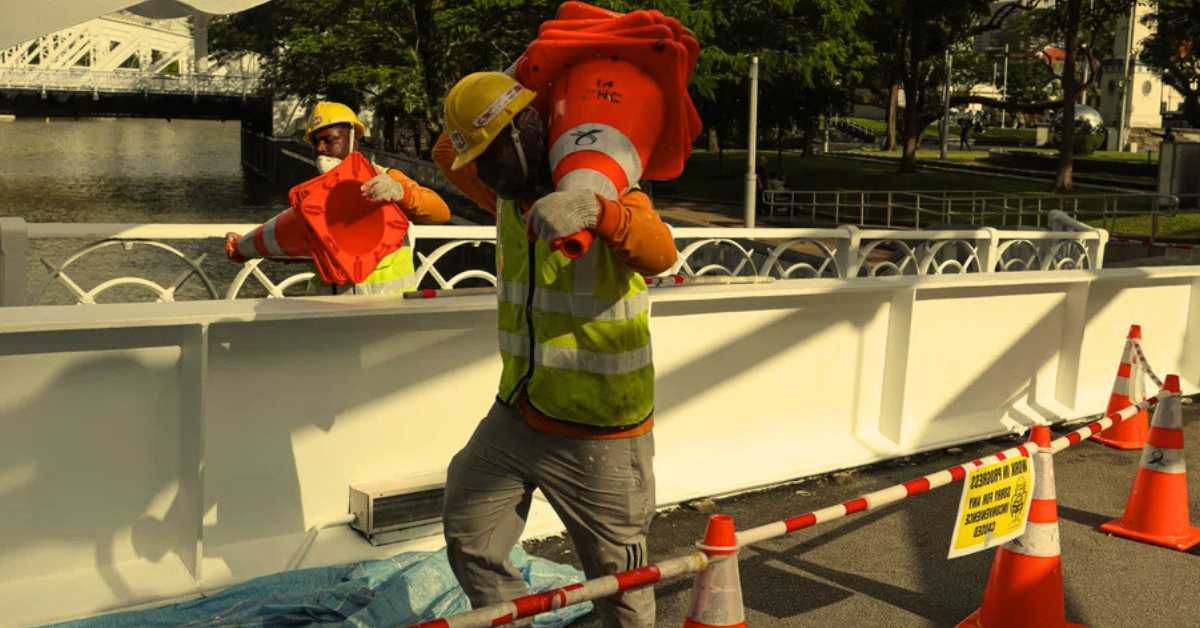
Singapore’s official non-working public holidays for 2026 are already attracting attention as workers, students, businesses, and travel companies begin planning vacations, family gatherings, and long weekend trips. Public holidays remain an important part of Singapore’s multicultural society, reflecting the country’s mix of religious, cultural, and national celebrations.
Employees across Singapore are expected to benefit from several extended weekend opportunities in 2026 as holiday dates align closely with weekends and annual leave schedules.
Travel agencies, hotels, shopping centers, and airlines are also preparing for increased activity during major festive periods throughout the year.
Major Public Holidays Shape Singapore Calendar
Singapore officially recognizes multiple public holidays connected to Chinese, Malay, Indian, and international cultural traditions.
These holidays include celebrations such as Chinese New Year, Hari Raya Puasa, Hari Raya Haji, Deepavali, Christmas, and National Day.
Government offices, schools, banks, and many private businesses usually close during official non-working public holidays.
Large shopping districts, tourist attractions, and restaurants, however, often remain highly active because holiday periods increase consumer spending and tourism activity.
Chinese New Year Remains One of the Biggest Celebrations
Chinese New Year continues to be one of Singapore’s most important annual festivals.
Shopping malls, restaurants, and entertainment districts usually experience strong business activity ahead of the celebration.
Families gather for reunion dinners, gift exchanges, and traditional cultural events during the holiday period.
Tourism experts say Singapore’s Chinese New Year celebrations continue attracting international visitors from across Asia and beyond.
Hari Raya Celebrations Hold Major Cultural Importance
Hari Raya holidays remain highly significant for Singapore’s Muslim community.
Festive markets, traditional food events, and family gatherings become common during the celebration season.
Areas such as Geylang Serai often become major cultural and shopping centers during Hari Raya festivities.
Businesses connected to fashion, food, and tourism generally experience increased consumer demand during the holiday period.
Deepavali and Cultural Tourism Continue Growing
Deepavali, also known as the Festival of Lights, remains another major public holiday in Singapore’s multicultural calendar.
Decorations, cultural performances, and festive shopping activities often attract both residents and tourists.
Little India becomes especially vibrant during Deepavali celebrations with lights, street markets, and traditional events.
Cultural tourism experts say international visitors increasingly view Singapore’s multicultural festivals as unique travel experiences.
Long Weekends Support Regional Travel
Public holidays that create long weekends often lead to increased travel demand.
Many Singapore residents use holiday periods to visit nearby countries such as Malaysia, Thailand, and Indonesia.
Airlines, hotels, and travel agencies usually launch special promotions linked to holiday travel demand.
Regional tourism industries continue benefiting strongly from Singapore’s outbound holiday travelers.
Retail and Hospitality Industries Expect Higher Spending
Holiday seasons often generate strong economic activity for Singapore’s retail and hospitality sectors.
Shopping malls, entertainment venues, restaurants, and hotels usually experience increased customer traffic during festive periods.
Luxury brands and food businesses especially benefit from consumer spending connected to celebrations and gift purchases.
Economic analysts say public holidays continue playing an important role in supporting local business activity.
Remote Work Changes Holiday Planning Trends
The growth of remote and hybrid work is also influencing how people use non-working holidays.
Some employees now combine remote work schedules with public holidays to create longer travel periods without using excessive annual leave.
Digital work flexibility is reshaping tourism and vacation planning trends across Singapore and other major Asian business centers.
Travel experts believe flexible work culture will continue affecting holiday behavior in the coming years.
Singapore Maintains Multicultural Holiday Identity
Singapore’s public holiday system reflects the country’s strong multicultural identity and religious diversity.
Government leaders and community organizations frequently emphasize social harmony and mutual respect during national celebrations.
Schools and workplaces also often organize cultural programs linked to important public holidays.
Experts say Singapore’s ability to balance multiple cultural traditions remains one of the country’s defining social strengths.
Businesses Prepare Early for Holiday Demand
Retailers, airlines, tourism companies, and event organizers are already planning promotional campaigns for the 2026 holiday calendar.
Hotels are expecting strong booking demand during long weekends and major festive periods.
Restaurants and food delivery platforms are also preparing for increased orders during family gathering celebrations.
Technology and digital payment systems continue making festive shopping and travel booking easier for consumers.
Singapore Public Holidays Continue Influencing Economy and Lifestyle
Singapore’s non-working holidays in 2026 are expected to influence tourism, retail spending, travel demand, and cultural activities throughout the year.
For workers and students, public holidays provide opportunities for rest, family connection, and international travel.
For businesses, festive seasons continue generating important commercial activity and consumer engagement.
As Singapore maintains its position as one of Asia’s busiest international hubs, public holidays remain closely connected not only to cultural traditions but also to the country’s modern economy and lifestyle trends.



- SSC Exam Result check 2026 Bangladesh
- NU Degree Result 2026 Bangladesh: Full Guide
- India Tourist Visa for Bangladeshis Resumes From May 6
- Eid al Fitr 2026 UAE Dates Confirmed and Expected Globally
- Dubai-bound flight catches fire after taking off from Nepal
- Turkey`s homegrown 5th-generation fighter jet named KAAN
- Shihab Chottur reaches Makkah from India in 12 months
- Cleaner Job Circular 2026 Saudi Arabia Latest Hiring Update
- Eid Ul Adha 2023 in Saudi Arabia!
- India gets new parliament building