
Md. Al Amin
Update: 19:04, 28 July 2026
How to Make Yogurt at Home: Easy Homemade Yogurt Recipe
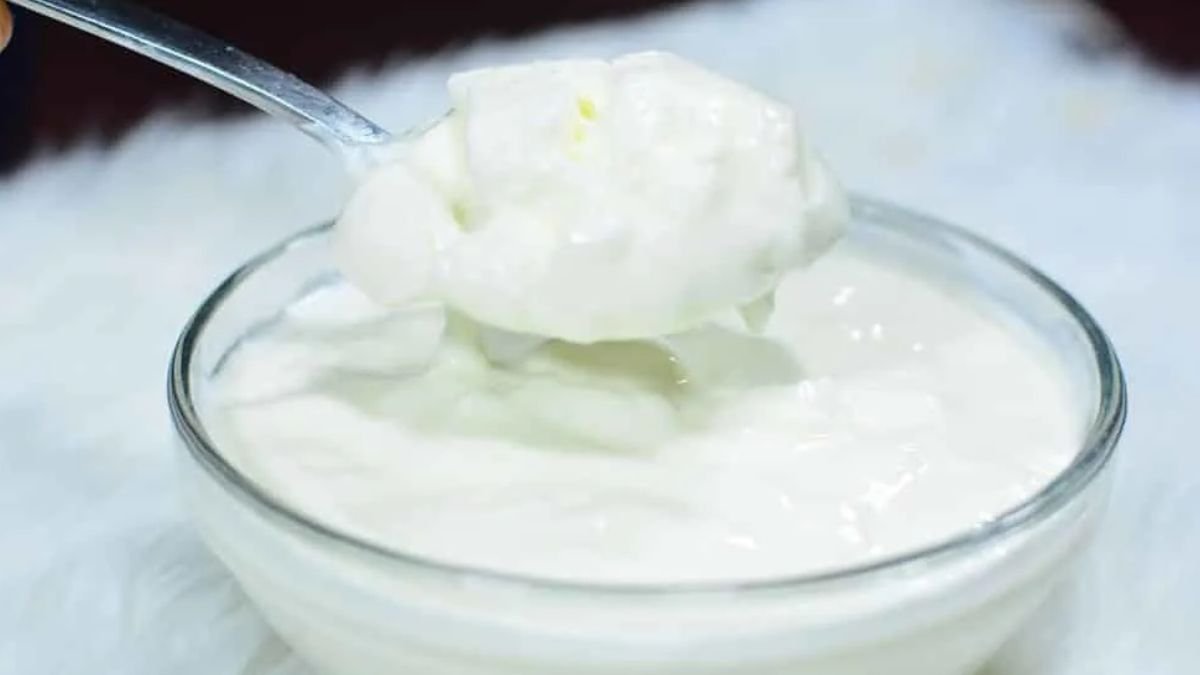
How to Make Yogurt at Home
Homemade yogurt is fresh, delicious, and surprisingly easy to make. If you've ever wondered how to make yogurt at home, you only need two simple ingredients—milk and a small amount of plain yogurt with live cultures. With a little patience, you can enjoy creamy, healthy yogurt without preservatives or artificial additives.
Whether you're making yogurt for breakfast, smoothies, desserts, or cooking, this beginner-friendly guide covers everything you need to know.
Why Make Yogurt at Home?
Making yogurt yourself has several advantages:
-
Fresh and preservative-free
-
Rich in probiotics
-
More affordable than store-bought yogurt
-
Easy to customize the thickness and flavor
-
High in protein and calcium
-
Suitable for the whole family
Many people also find homemade yogurt creamier and more flavorful than commercial varieties.
Ingredients
To make about 1 litre (4 cups) of yogurt, you'll need:
-
1 litre whole milk (or low-fat milk)
-
2 tablespoons plain yogurt with live active cultures
The starter yogurt should contain live bacterial cultures such as:
-
Lactobacillus bulgaricus
-
Streptococcus thermophilus
These bacteria ferment the milk and turn it into yogurt.
Equipment
You don't need expensive equipment. Gather:
-
Saucepan
-
Spoon or whisk
-
Glass or ceramic container
-
Lid or plastic wrap
-
Kitchen thermometer (optional)
-
Clean towel
Step 1: Heat the Milk
Pour the milk into a saucepan and heat it slowly until it reaches 82–85°C (180–185°F).
Do not let it boil vigorously.
Heating changes the milk proteins, producing thicker yogurt.
Stir occasionally to prevent the milk from sticking to the bottom.
Step 2: Cool the Milk
Remove the saucepan from the heat.
Allow the milk to cool to 43–46°C (110–115°F).
If you don't own a thermometer, the milk should feel warm but comfortable to touch.
Adding the starter while the milk is too hot may kill the beneficial bacteria.
Step 3: Mix in the Starter
Place the plain yogurt in a small bowl.
Add a few spoonfuls of warm milk and stir until smooth.
Pour this mixture back into the saucepan and gently stir until evenly mixed.
Step 4: Incubate the Yogurt
Transfer the mixture into a clean container.
Cover it with a lid.
Keep it warm for 6–10 hours without moving it.
Good incubation methods include:
-
Yogurt maker
-
Oven with the light turned on
-
Insulated cooler
-
Wrapped in a towel inside a warm place
Longer fermentation produces tangier yogurt.
Step 5: Refrigerate
Once the yogurt has thickened, refrigerate it for at least 4 hours.
Cooling helps improve the texture and flavor.
How to Make Greek Yogurt
If you'd like thicker Greek-style yogurt:
-
Place a cheesecloth inside a sieve.
-
Pour the yogurt into the cloth.
-
Refrigerate while draining for 2–4 hours.
The longer it drains, the thicker the yogurt becomes.
The remaining liquid is whey, which can be used in baking, soups, smoothies, or bread recipes.
Flavor Ideas
Once chilled, you can enjoy yogurt plain or add:
-
Fresh berries
-
Honey
-
Maple syrup
-
Vanilla extract
-
Cinnamon
-
Granola
-
Chopped nuts
-
Mango
-
Banana
-
Chia seeds
Avoid adding sugar before fermentation.
Health Benefits of Homemade Yogurt
Homemade yogurt is packed with nutrients and beneficial bacteria.
Benefits include:
-
Supports healthy digestion
-
Promotes gut-friendly probiotics
-
Excellent source of calcium
-
High-quality protein
-
May support bone health
-
Helps maintain a healthy immune system
-
Can be part of a balanced weight-management diet
Common Mistakes to Avoid
Many first-time yogurt makers experience problems because of simple mistakes.
Avoid these:
-
Using yogurt without live cultures
-
Adding the starter to very hot milk
-
Moving the yogurt while it ferments
-
Fermenting in a cold environment
-
Using unclean containers
Storage Tips
Store homemade yogurt in an airtight container in the refrigerator.
It stays fresh for about 7 days.
Remember to save 2 tablespoons as the starter for your next batch.
Frequently Asked Questions
Can I make yogurt without a yogurt maker?
Yes. A warm oven, insulated cooler, Instant Pot with yogurt mode, or a towel-wrapped container all work well.
Can I use skim milk?
Yes. However, whole milk usually produces thicker and creamier yogurt.
Can I freeze homemade yogurt?
Yes. It can be frozen for up to two months, although the texture may become grainier after thawing.
Why is my yogurt runny?
Runny yogurt may result from:
-
Low incubation temperature
-
Too little starter
-
Starter without live cultures
-
Fermenting for too short a time
Can I reuse homemade yogurt as a starter?
Yes. You can reuse homemade yogurt for 4–6 batches before starting again with fresh commercial yogurt.
Final Thoughts
Learning how to make yogurt at home is simple, economical, and rewarding. With just milk, a small amount of live-culture yogurt, and a few hours of fermentation, you can prepare creamy homemade yogurt that's perfect for breakfast, snacks, smoothies, and desserts.
Once you've mastered the basic recipe, you can experiment with different milk types, fermentation times, and flavors to create yogurt that's exactly the way you like it.










- Control high blood pressure in summer
- Treatments for Constipation in Children
- Harmful aspects of standing to urinate
- Benefits of eating watermelon at Iftar
- These 5 home remedies will remove the smell of sweat
- Bangladesh reports 17 more Covid-19 cases
- Which is the best country for `Hair Transplant`?
- Global Covid cases up by over 60pc in 28 days: WHO
- Maintaining health in the golden years
- Nutritionist recommends avoiding these 5 common breakfast mistake