Imran Al mamun
Middle East Country List Updated Countries Recognised in Region
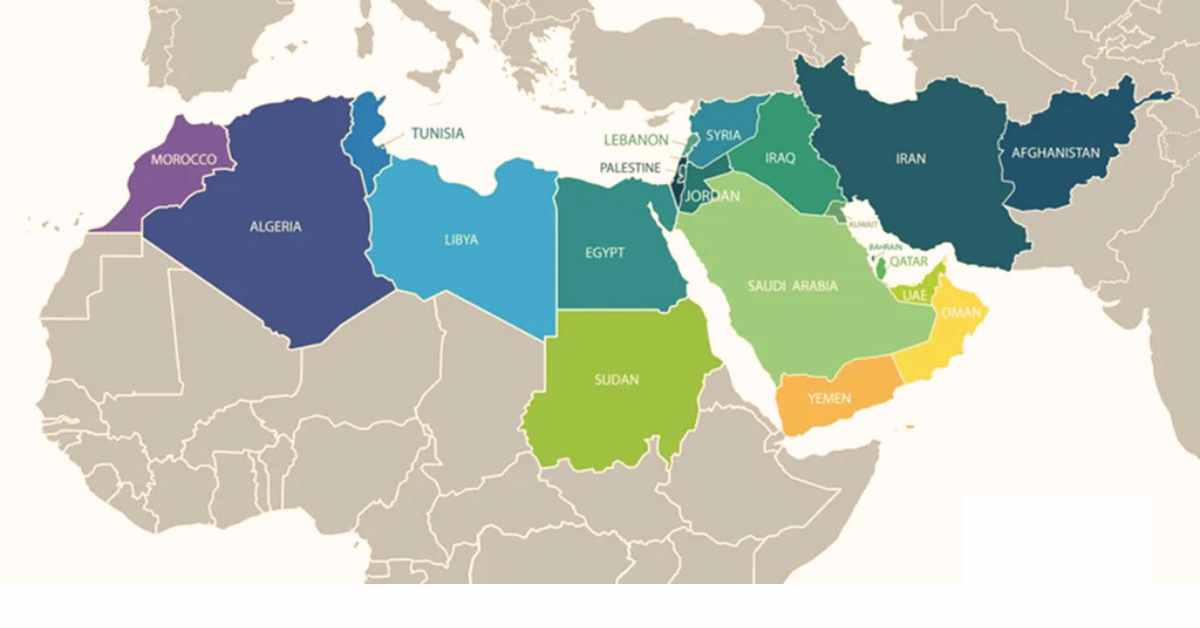
The Middle East country list now officially recognised by international regional definitions includes 17 sovereign states and one dependent territory primarily in Western Asia and parts of North‑East Africa, according to global geopolitical classifications. The updated Middle East country list identifies all countries routinely referenced in international reports and regional economic analyses.
The Middle East country list includes Saudi Arabia, United Arab Emirates, Qatar, Bahrain, Kuwait, Oman, Yemen, Iraq, Iran, Israel, Jordan, Lebanon, Syria, and the territory of Akrotiri and Dhekelia, among others that are conventionally accepted in diplomatic and policy contexts.
Current Recognised Nations on Middle East Country List
Geographers and policy institutions confirm that the Middle East country list covers nations largely in Western Asia, with some definitions extending to North Africa. This categorisation is widely used in diplomatic reports, economic monitoring, and humanitarian planning.
Key members of the Middle East country list:
- Saudi Arabia
- United Arab Emirates
- Qatar
- Bahrain
- Kuwait
- Oman
- Yemen
- Iraq
- Iran
- Israel
- Jordan
- Lebanon
- Syria
- Akrotiri and Dhekelia (British territory)
These countries are consistently included in regional assessments, international economic data, and energy production analyses that rely on a standard Middle East country list for reporting.
Definitions and Regional Inclusion Standards
International agencies use the Middle East country list as a reference point in economic outlooks and humanitarian operations. In energy sector datasets, states like Iran, Saudi Arabia, Iraq, and the UAE frequently appear due to their global oil and gas production roles.
The Middle East country list often aligns with groupings used in policy dialogues, such as the Gulf Cooperation Council (GCC) format, though definitions can vary slightly across diplomatic or geographic sources.
Context and Regional Reporting
The inclusion of countries in the Middle East country list has practical impacts on global reporting and policy planning, particularly during times of crisis or economic shifts. International humanitarian agencies reference these same countries when coordinating response efforts in the region.
Certain geopolitical discussions also refer to expanded classifications that place Egypt, Turkey, and sometimes Pakistan alongside the core Middle East country list in broader analyses, although these extended lists are less common in strict regional definitions.
Why the Middle East Country List Matters
Government agencies, news organisations, and global institutions rely on the Middle East country list for strategic reporting on security, energy markets, and humanitarian developments. In the context of ongoing regional tensions and conflict, accurate country lists help frame diplomatic dialogues and aid coordination.
Mapping and tracking the Middle East country list also assist in comparative demographic and economic reporting — for example, ranking countries by population or GDP within the region.
International Recognition and Use
The Middle East country list remains a standard reference across international organisations, including the International Energy Agency (IEA) and United Nations bodies, reflecting the region’s importance in global energy supplies and geopolitical forecasts.
For statistical and policy purposes, this list supports coherent reporting that drives decisions by states, multinational institutions, and humanitarian agencies operating in and around the Middle East.
Region Definition Adjustments
While most core nations remain stable in the Middle East country list, some definitions used by specific institutions may expand or contract the list based on geographic or political criteria. However, the core members outlined above remain the baseline for current international reporting standards.
The updated Middle East country list guides how global organisations and media outlets categorise developments in the region, ensuring clarity in reporting.










- SSC Exam Result check 2026 Bangladesh
- NU Degree Result 2026 Bangladesh: Full Guide
- India Tourist Visa for Bangladeshis Resumes From May 6
- Eid al Fitr 2026 UAE Dates Confirmed and Expected Globally
- Dubai-bound flight catches fire after taking off from Nepal
- Turkey`s homegrown 5th-generation fighter jet named KAAN
- Shihab Chottur reaches Makkah from India in 12 months
- Cleaner Job Circular 2026 Saudi Arabia Latest Hiring Update
- Eid Ul Adha 2023 in Saudi Arabia!
- India gets new parliament building