
Hasanat Kamal
Pentagon Signs Major AI Defence Deal With Tech Giants
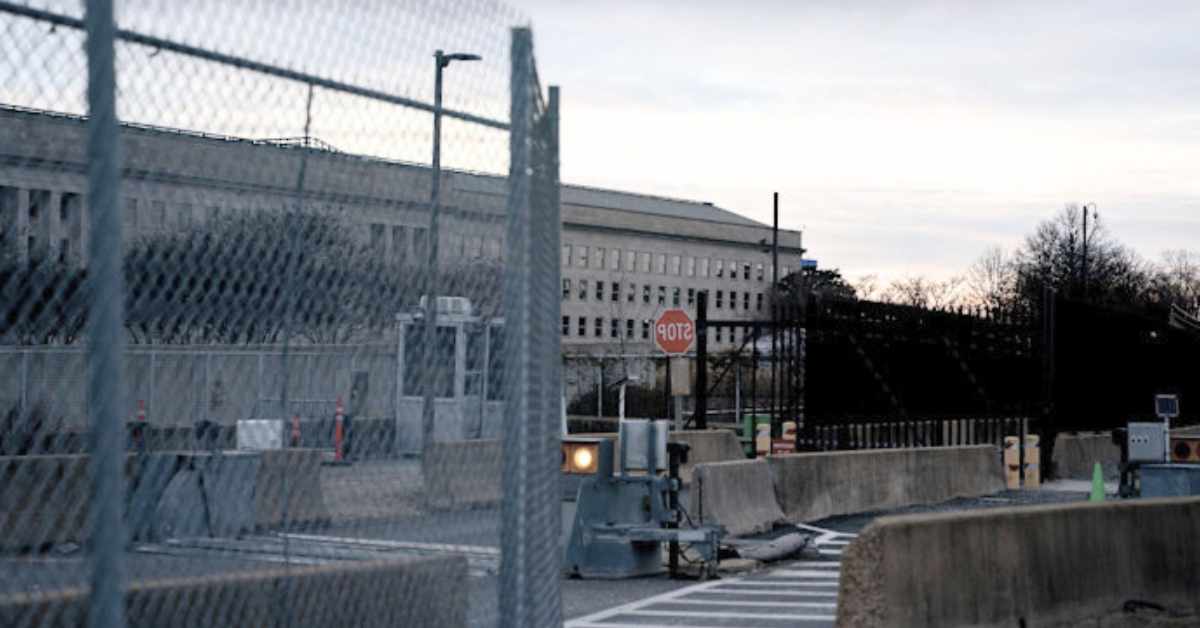
The United States has taken a major step toward the future of warfare after the Pentagon signed a significant artificial intelligence defence agreement with some of the world’s biggest technology companies.
The move signals that AI is no longer limited to writing emails, creating images, or powering chatbots. It is now becoming part of national security strategy.
According to recent reports, the US Department of Defense has entered into a new partnership with seven leading AI firms to develop advanced systems for classified military operations. While officials have not publicly confirmed the full list of companies, industry leaders such as Microsoft, Google, and Palantir are widely expected to be involved.
This Pentagon AI contract could become one of the most important defence technology deals of the decade.
AI in Defence Systems Enters a New Era
For years, military modernization focused on aircraft, missiles, ships, and cyber tools. Now the focus is rapidly shifting toward intelligent systems capable of processing massive data, predicting threats, and assisting commanders in real time.
Experts say AI in defence systems can help analyze surveillance footage, satellite images, battlefield signals, and intelligence reports within seconds. Tasks that once took teams of analysts several hours may soon be completed almost instantly.
That speed advantage could prove critical during fast-moving military situations where every second matters.
The Pentagon’s latest move shows that artificial intelligence is no longer experimental. It is becoming operational.
Why the United States Is Moving Fast
The timing of this deal is highly strategic. Washington has been closely monitoring China’s rapid growth in artificial intelligence, robotics, and military innovation.
US officials increasingly believe that future conflicts may depend not only on troop strength or weapon stockpiles, but also on who controls the smartest systems.
By partnering with private tech giants, the Pentagon appears determined to maintain a technological edge in a growing global competition.
Military analysts say the next arms race may not be about tanks or jets alone. It may be about algorithms, data, and decision speed.
What These AI Systems Could Do
Although many details remain classified, defence insiders believe the new tools may support intelligence analysis, threat detection, military logistics planning, cybersecurity defence, drone coordination, strategic simulations, and battlefield decision support.
These systems may not replace human commanders, but they could heavily influence how decisions are made.
- That possibility is both exciting and controversial.
- Military Artificial Intelligence Raises Ethical Questions
- Not everyone supports the growing role of military artificial intelligence.
Human rights groups and policy experts have warned that AI systems can make mistakes, reflect biased data, or generate false recommendations. If an automated system contributes to a deadly error, responsibility becomes difficult to define.
Would blame fall on the software developer, the military operator, or the institution that approved the technology?
There is also a moral question many experts continue to debate about how much authority machines should have in decisions involving human lives.
Those concerns are expected to grow as AI systems become more powerful.
AI Cybersecurity Defence Also a Major Priority
Modern warfare increasingly includes cyberattacks, digital espionage, and infrastructure disruption. That means AI cybersecurity defence tools could become one of the most valuable parts of the Pentagon agreement.
Artificial intelligence can detect suspicious network behavior, respond to cyber threats faster, and identify vulnerabilities before attackers exploit them.
With governments and military networks facing constant cyber pressure, AI may become essential for digital defence.
A Turning Point for Global Power
This agreement is bigger than a standard government contract. It reflects a wider transformation in how nations define power.
In the past, military strength depended on weapons production and troop numbers. Today, leadership may depend on innovation, computing power, and access to advanced AI systems.
Countries that master national security AI technology could gain strategic advantages in intelligence, defence readiness, and crisis response.
That is why this deal is drawing global attention.
What Happens Next
Many questions remain unanswered. The exact systems being built are classified. Development timelines are unclear. Real-world performance is unknown.
But one reality is becoming harder to ignore.
Artificial intelligence is no longer standing on the sidelines. It is entering the center of defence strategy.
And as the Pentagon works with tech giants to shape the future, the world may be witnessing the beginning of a new era in warfare powered not just by hardware, but by intelligence itself.










- 32 megapixel camera new phone Tecno Spark 10 Pro
- AI in Bangladesh: Unlocking Potential Amid Challenges
- Google Bard now in Bangladesh
- Refreshing only increases the speed of the computer?
- Samsung Galaxy A54 5G: A perfect price fit!
- Elon Musk`s SpaceX hires 14-year-old Bangladeshi-American Kairan
- Emerging Tech Innovations 2025: The Future is Here
- Tottering from Twitter to Threads
- Spotify tests voice translation feature for podcasts
- How Afraid Should We Be of Artificial Intelligence?