
Imran Al mamun
UK 2030 Carbon Target Sparks Nationwide Climate Debate
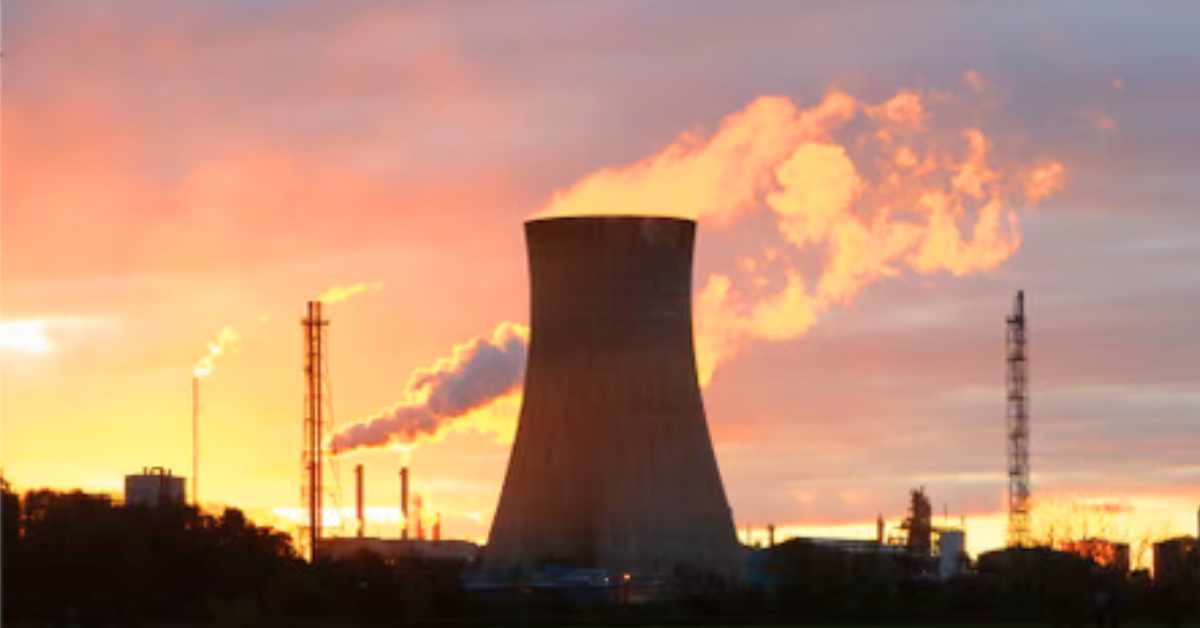
The United Kingdom is once again at the center of the global climate conversation as the government intensifies efforts to meet its ambitious 2030 carbon reduction target. With energy prices, industrial pressure, and environmental concerns all colliding at the same time, the country’s climate strategy is becoming one of the most discussed policy issues across Europe in 2026.
The UK has already positioned itself as one of the world’s leading nations in reducing greenhouse gas emissions over the last three decades. However, experts now warn that the next few years will be the hardest part of the journey. Cutting emissions from electricity production was comparatively easier than transforming transportation, home heating, aviation, and heavy industries.
Under its current climate roadmap, the UK aims to dramatically reduce carbon emissions by 2030 compared to 1990 levels. The target is linked to the broader national goal of reaching net zero emissions by 2050. Government officials say the 2030 milestone is critical because delaying action now would make future climate goals far more expensive and difficult.
Climate analysts believe the next four years will determine whether the UK remains a global leader in green policy or falls behind other advanced economies investing heavily in clean energy technologies.
Why the UK 2030 Carbon Target Matters
The 2030 target is more than just an environmental promise. It affects transportation systems, electricity generation, manufacturing, housing, and even food production. Businesses across the UK are already adjusting investment plans based on future carbon regulations.
Economists say green investment is becoming one of the biggest drivers of future economic growth. Offshore wind projects, battery manufacturing plants, hydrogen technology, and electric vehicle infrastructure are creating thousands of jobs across different regions of the country.
At the same time, many industries worry about the financial burden of rapid decarbonization. Steel producers, airlines, and logistics companies argue that transitioning too quickly could increase operating costs and hurt competitiveness against countries with weaker environmental standards.
The government insists that long-term economic benefits outweigh short-term difficulties. Officials argue that countries investing early in clean technology will dominate future global markets.
Renewable Energy Expansion Accelerates
One of the biggest parts of the UK’s climate strategy is renewable energy expansion. Offshore wind energy has become a major success story for Britain over the past decade. Massive wind farms located in the North Sea now generate a significant share of the country’s electricity.
Solar energy adoption is also growing rapidly as installation costs continue to fall. More households are using rooftop solar systems to reduce electricity bills while contributing to national emission reduction efforts.
Energy experts believe renewable power alone will not be enough to achieve the 2030 carbon target. The country must also modernize its electricity grid, improve energy storage systems, and upgrade aging infrastructure to handle increasing demand from electric vehicles and heat pumps.
Nuclear energy remains another controversial but important part of the debate. Supporters argue nuclear plants provide reliable low-carbon electricity, while critics raise concerns over costs and long construction timelines.
Transportation Sector Under Major Pressure
Transportation remains one of the UK’s biggest sources of carbon emissions. Petrol and diesel vehicles still dominate roads despite growing electric vehicle adoption.
The government plans to accelerate charging infrastructure development nationwide while encouraging drivers to transition toward electric transportation. Several cities are already expanding low-emission zones to reduce urban pollution.
Public transportation upgrades are also becoming part of the climate strategy. Rail electrification projects, cleaner buses, and cycling infrastructure investments are expected to play a larger role over the next few years.
However, critics argue that rural communities still face limited transportation alternatives. Many people outside major cities continue relying heavily on traditional vehicles because charging stations and public transit options remain insufficient.
Home Heating Becomes a National Challenge
Another major obstacle to achieving the UK 2030 carbon target is residential heating. Millions of homes across Britain still use natural gas boilers for heating and hot water.
Replacing these systems with cleaner alternatives such as heat pumps could significantly reduce emissions. Yet installation costs remain a major concern for homeowners already struggling with inflation and rising living expenses.
The government has introduced financial incentives for energy-efficient home upgrades, but experts say adoption rates remain slower than necessary.
Older buildings also present technical challenges because many properties require insulation improvements before modern heating systems can operate efficiently.
Housing experts warn that without large-scale retrofitting programs, residential emissions could become one of the biggest barriers to meeting climate commitments.
Businesses Prepare for Stricter Environmental Rules
Large corporations operating in the UK are increasingly facing pressure from investors and regulators to cut emissions. Many companies are now publishing climate transition plans and investing in sustainable technologies.
Financial institutions are also shifting toward greener investment strategies. Banks and pension funds are under growing pressure to reduce support for high-carbon industries.
Meanwhile, smaller businesses worry about compliance costs. Some industry groups are asking the government for more financial support and clearer long-term regulations to avoid uncertainty.
Technology companies, however, see major opportunities in the green transition. Artificial intelligence, smart energy systems, carbon capture technology, and battery innovation are attracting increasing investment across the UK startup sector.
Public Opinion Continues to Shift
Public awareness of climate issues has increased significantly in recent years. Extreme weather events, heatwaves, flooding, and rising global temperatures have intensified discussions about environmental responsibility.
Younger generations in particular strongly support stronger climate policies. Environmental campaigns continue influencing political debates, especially in urban areas.
Still, there is growing concern about balancing climate action with economic stability. Rising energy bills and cost-of-living pressures have made some voters more cautious about aggressive environmental policies.
Political analysts believe future elections could heavily influence the speed and direction of the UK’s carbon reduction strategy.
Can the UK Reach Its 2030 Carbon Goal
Experts remain divided on whether the UK can fully achieve its 2030 target on schedule. Some climate researchers believe existing policies are not yet strong enough to deliver the required emission cuts.
Others argue technological innovation and private investment could accelerate progress faster than expected.
What remains clear is that the next few years will be critical. Decisions made today regarding infrastructure, transportation, housing, and energy investment will shape the country’s environmental future for decades.
The UK’s 2030 carbon target is no longer just a political slogan. It has become a defining economic, environmental, and social challenge that will influence everything from business investment to everyday household life.
As governments around the world race to meet climate commitments, the United Kingdom now faces mounting pressure to prove that ambitious carbon reduction goals can be achieved without sacrificing economic growth and energy security.









- SSC Exam Result check 2026 Bangladesh
- NU Degree Result 2026 Bangladesh: Full Guide
- India Tourist Visa for Bangladeshis Resumes From May 6
- Eid al Fitr 2026 UAE Dates Confirmed and Expected Globally
- Dubai-bound flight catches fire after taking off from Nepal
- Turkey`s homegrown 5th-generation fighter jet named KAAN
- Shihab Chottur reaches Makkah from India in 12 months
- Cleaner Job Circular 2026 Saudi Arabia Latest Hiring Update
- Eid Ul Adha 2023 in Saudi Arabia!
- India gets new parliament building