Imran Al mamun
আপডেট: ১৯:৩৬, ১৬ এপ্রিল ২০২৬
Shakib Al Hasan cricket legend career records
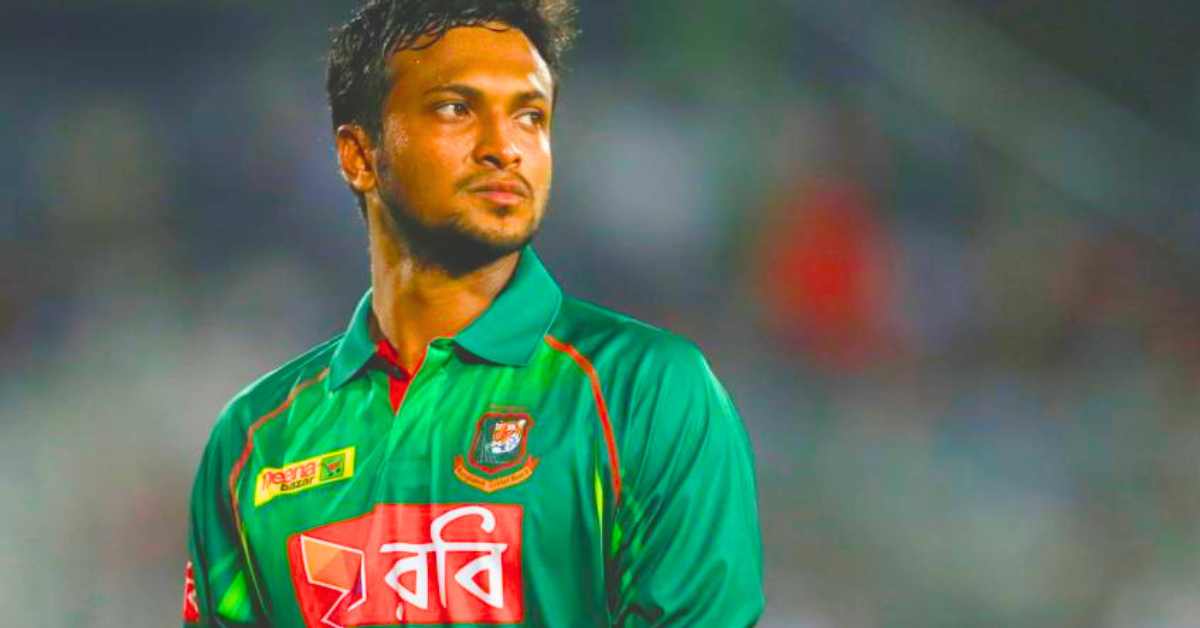
The story of Shakib Al Hasan in the year 2026 is one of the most compelling narratives in modern sports history. It is a tale that extends far beyond the boundary ropes of a cricket stadium, intertwining with the volatile political landscape of Bangladesh, the lucrative global franchise cricket economy, and the emotional pulse of millions of fans.
For nearly two decades, the name Shakib has been synonymous with Bangladesh cricket, acting as a symbol of national pride and international sporting success. However, the events of the past two years have transformed his legacy into a complex study of athletic brilliance overshadowed by political exile and legal battles.
As of early 2026, Shakib finds himself in a unique and precarious position. Following the dramatic collapse of the Awami League government in August 2024, a political regime he represented as a Member of Parliament for his hometown of Magura, Shakib was swept into a storm of controversy. He faced severe legal allegations, including a murder charge related to the unrest that ousted former Prime Minister Sheikh Hasina, as well as financial fraud allegations. Consequently, the greatest all-rounder the nation has ever produced has been living outside his homeland, plying his trade in various franchise leagues around the world while his international career hung in the balance.
Yet, the Bangladesh Cricket Board recently initiated a massive turning point. In a bid to restore stability after Bangladesh was controversially excluded from the 2026 T20 World Cup, the board retained Shakib in their central contract list. He officially reversed his retirement in late 2025, declaring a burning desire to return to Mirpur for one final, definitive farewell series across all three formats. This developing saga encapsulates not just the twilight of a remarkable shakib al hasan career, but also highlights the deep intersection between government policies, sports administration, and public sentiment in South Asia.
The Rise of Cricketer Shakib: A Historic Retrospective
To understand the magnitude of his current situation, one must look back at the origins of his illustrious journey. Born in Magura, Bangladesh, Shakib burst onto the international scene in 2006. At a time when Bangladesh was struggling to shed its minnow status in world cricket, he emerged as a transformational figure. He was not just a player who could contribute with bat and ball; he was a fierce competitor who instilled a winning mentality in a team that had historically been accustomed to defeat.
His left-arm orthodox spin provided control and crucial breakthroughs, while his aggressive left-handed batting brought stability and firepower to the middle order. By 2009, he achieved what no other Bangladeshi had ever done: he reached the number one spot in the International Cricket Council rankings for all-rounders in One Day Internationals. He eventually held the top all-rounder ranking in all three formats simultaneously, a staggering achievement that cemented his place among the global elite alongside names like Jacques Kallis and Sir Garfield Sobers.
The shakib al hasan career trajectory is marked by historic milestones. He became the driving force behind Bangladesh's most memorable victories, including the historic Test series sweep against Pakistan, famous wins in World Cup campaigns, and dominant home series performances against giants like Australia, England, and India. He has accumulated over 14,000 international runs and taken more than 700 wickets across all formats, numbers that objectively place him in the upper echelon of cricket history. But his impact goes beyond statistics; he single-handedly elevated the commercial value of Bangladesh cricket, forcing the world to take the Tigers seriously.
The Economy of a Superstar: Market and Financial Analysis
The financial footprint of Cricketer Shakib is vast and intricate. In the context of the sports industry in Bangladesh, he is an economy unto himself. For over a decade, he has been the most marketable face in the country, attracting endorsements from multinational corporations, telecom giants, banking sectors, and consumer goods conglomerates. His brand value fundamentally shifted how athletes in Bangladesh are compensated and perceived by corporate sponsors.
When analyzing the sports market in Bangladesh, it is evident that cricket consumes an overwhelming majority of the sponsorship revenue. Before his political downfall, Shakib commanded endorsement fees that were unprecedented in the local market, reportedly earning millions of dollars annually just from commercial partnerships. He became the face of major brands like Grameenphone, Yamaha, and various mobile financial services. His business acumen also led him to invest in restaurants, event management companies, and the stock market, though some of these ventures later faced regulatory scrutiny.
On a global scale, his economic impact in franchise cricket is equally significant. He was one of the first Bangladeshi players to become a highly sought-after commodity in the Indian Premier League, where he enjoyed a successful stint primarily with the Kolkata Knight Riders, helping them secure two championship titles. His ability to perform in high-pressure situations made him a valuable asset, commanding base prices and auction bids that reflected his premier all-rounder status.
Cost, Salary, and Financial Insights in 2026
By 2026, the financial landscape of Shakib's career has shifted due to his exile and changing league dynamics. While he remains a highly paid athlete, his income streams are heavily reliant on global franchise leagues rather than domestic endorsements, which dried up following his political controversies.
In 2025 and early 2026, Shakib participated in tournaments like the International League T20 in the United Arab Emirates representing MI Emirates, the Caribbean Premier League, the Pakistan Super League with the Lahore Qalandars, and even Minor League Cricket in the United States. In the ILT20, top-tier players can earn salaries ranging from 300,000 to 450,000 dollars for a short season. His inclusion in the PSL also guarantees a substantial six-figure payout, depending on his draft category and availability.
Despite the controversies, the Bangladesh Cricket Board recognized his enduring value by keeping him on the central contract list in January 2026. An A-plus category contract with the BCB traditionally fetches a player a monthly salary equivalent to around 8,000 to 10,000 dollars, excluding match fees and win bonuses. While this amount is a fraction of what he earns in private leagues, the retention of his contract is a symbolic and financial olive branch from the board, ensuring he receives No Objection Certificates to continue his lucrative freelance career abroad.
However, the financial narrative is not entirely positive. In 2025, reports surfaced of court orders in Bangladesh looking to seize his assets over alleged fraud charges related to bounced cheques exceeding 300,000 dollars. These financial disputes, coupled with his frozen political assets, paint a picture of a wealthy athlete navigating severe economic and legal turbulence.
Political Turmoil and Government Laws: The Fall from Grace
The intersection of sports and politics is a common theme in South Asia, but rarely has it resulted in such a dramatic fall from grace. Shakib's decision to enter politics under the Awami League banner in late 2023 was viewed by many as a strategic move to secure his post-cricket future. He won the parliamentary seat for Magura-1 in the January 2024 elections, seemingly cementing his status as a powerful figure both on and off the field.
However, the political climate in Bangladesh deteriorated rapidly. The student-led mass uprisings in July and August 2024 resulted in hundreds of casualties and ultimately forced Prime Minister Sheikh Hasina to flee the country. As a visible representative of the ousted regime, Shakib faced immense public backlash. During the height of the protests, he remained silent, later participating in a franchise tournament in Canada, which further infuriated the Bangladeshi public.
The interim government that took power subsequently initiated sweeping legal actions against former Awami League officials. Shakib was named in a First Information Report regarding a murder case related to the protest casualties. This legal jeopardy triggered a government-backed travel ban and intense security concerns, preventing him from returning home to play a planned farewell Test match against South Africa in Mirpur in late 2024. The sports advisor of the new government explicitly stated at one point that he would not be allowed to represent the country, effectively placing him in political exile.
The legal framework surrounding his potential return in 2026 relies heavily on government clearances. The Bangladesh Cricket Board, despite its autonomy on paper, cannot field a player facing active criminal warrants without state approval. The recent fast-tracking of his cases by the government suggests a potential diplomatic resolution, where his status as a national sporting hero might offer him a pathway to clear his name and return to the pitch.
Industry Breakdown: The State of Bangladesh Cricket in 2026
The absence of Cricketer Shakib has left a glaring void in the Bangladesh national team, exposing structural weaknesses within the domestic cricket industry. Without their premier all-rounder, the team has struggled with balance. Finding a player who can comfortably bat in the top five and bowl ten overs of world-class spin is a luxury that has papered over the cracks in Bangladesh's development pipeline for years.
In 2026, the Bangladesh Cricket Board is facing immense scrutiny. The failure to secure a spot in the 2026 T20 World Cup served as a massive wake-up call, leading to fierce criticism from fans and former players like Tamim Iqbal. The board, now comprising directors with deep club cricket ties, is attempting to rebuild the national infrastructure. The domestic leagues, such as the Bangladesh Premier League and the Dhaka Premier Division Cricket League, remain vital, but the transition from domestic success to international consistency is proving difficult for the new generation of players.
The push to bring Shakib back into the fold in 2026, spearheaded by chief selector Habibul Bashar, is partly a pragmatic sporting decision and partly a public relations strategy. The board desperately needs experience and leadership to stabilize a rocking ship. Bashar has publicly stated that fitness and availability are the only cricketing hurdles for his return, pushing the legal complexities onto the government's plate. This creates a fascinating dynamic where the cricket industry is actively lobbying the political establishment to pardon a sporting icon for the sake of national performance.
The Impact of Shakib on Global Leagues
To grasp the true value of Shakib, one must look at his real-world impact across various global leagues. His presence guarantees a dedicated television and digital audience from Bangladesh, a country with over 170 million cricket-crazy fans. Franchise owners are acutely aware of this demographic advantage.
For instance, when he signed with the Lahore Qalandars for the 2025 PSL, the franchise immediately saw a surge in social media engagement and merchandise interest from Bengali-speaking fans. His ability to adapt to different conditions makes him a tactical asset. In the dusty pitches of the UAE during the ILT20, his left-arm spin is incredibly difficult to score against. In a recent match for MI Emirates against the Desert Vipers, he demonstrated this value by delivering a highly economical spell and contributing crucial lower-order runs, proving that even at the age of 39, his cricketing brain remains sharp.
Even in emerging markets like the United States, his brief stints in Minor League Cricket brought unprecedented local attention to the tournaments. Fans drove for hours across state lines just to catch a glimpse of the legend playing in community parks. This universal appeal underscores his status as a global ambassador for the sport, despite his controversial standing back home.
Risks, Scams, and Hidden Truths in Modern Cricket
The modern cricket ecosystem is fraught with risks, and Shakib's career has occasionally brushed against its darker corners. The most notable incident occurred in 2019 when he was handed a two-year ban, with one year suspended, by the International Cricket Council for failing to report corrupt approaches from a suspected Indian bookmaker. This shocking revelation highlighted the persistent threat of illegal betting syndicates targeting high-profile players.
While Shakib was not accused of match-fixing, his failure to report the approach served as a stark reminder of the vulnerability of players and the strict compliance laws governing the sport. He served his ban, returned to the game, and rebuilt his reputation, but the incident remains a permanent asterisk on his record.
Furthermore, his recent admission of intentionally chucking during an English County game for Surrey in late 2025 adds another layer of controversy. He cited extreme physical fatigue as the reason for altering his bowling action, which was subsequently reported and investigated. Although he was later cleared after reassessment, it reveals the intense physical and mental toll that continuous year-round cricket takes on aging players. The franchise cricket model, which demands constant travel and immediate performance, pushes athletes to their absolute limits, sometimes resulting in desperate measures to survive a spell or a match.
Global Comparisons: Where Shakib Stands Among the Greats
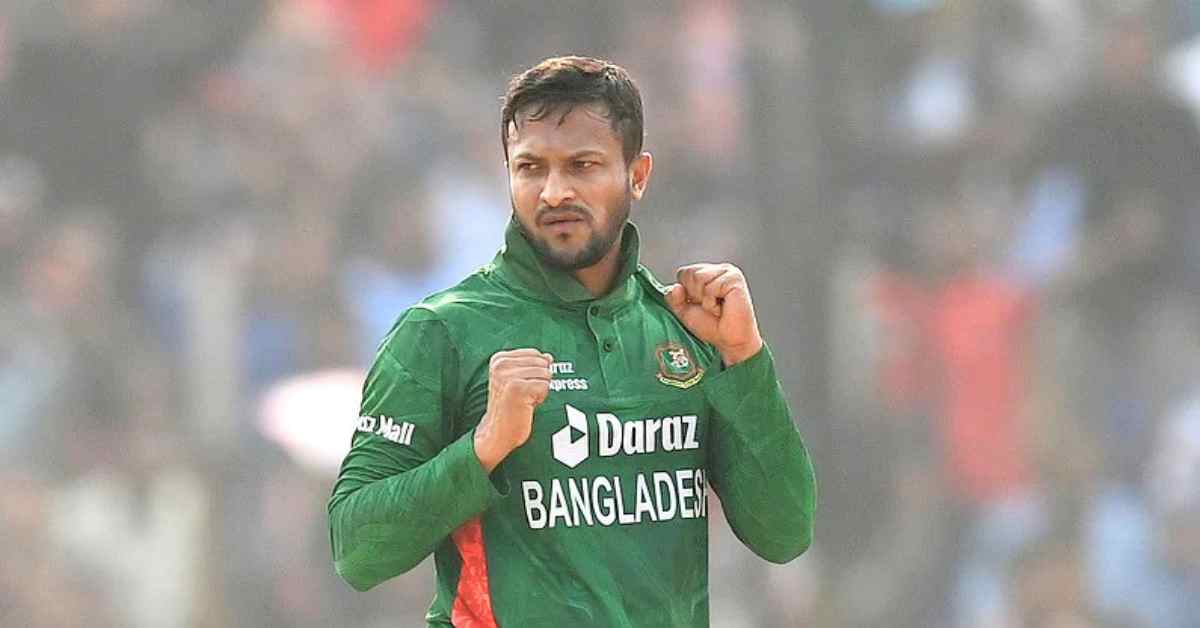
When evaluating the shakib al hasan career, global comparisons are inevitable and necessary to contextualize his greatness. In the modern era of cricket, the role of a genuine all-rounder is incredibly rare. Players like Ben Stokes of England, Ravindra Jadeja of India, and Jason Holder of the West Indies are often compared to him.
Ben Stokes is widely regarded as a match-winner in high-stakes environments, known for his explosive batting and aggressive pace bowling. Ravindra Jadeja offers exceptional fielding, tight spin bowling, and lower-order hitting. However, what sets Shakib apart from his contemporaries is his statistical volume and his burden of responsibility. For the vast majority of his career, Shakib was not just a supporting player in a star-studded lineup; he was the primary batter and the primary bowler for his team.
If we look at historical comparisons, his numbers rival those of the legendary Jacques Kallis and Imran Khan. Kallis is undoubtedly the greatest batting all-rounder, with over 10,000 runs and 250 wickets in Tests. Imran Khan was a fearsome fast bowler and a capable batsman who led Pakistan to World Cup glory. Shakib's unique distinction is achieving top-tier status in all three formats, a feat that reflects his incredible adaptability to the evolving nature of the sport. While he may not have the World Cup trophies of Imran Khan or the sheer batting average of Kallis, his dominance in the all-rounder rankings over a 15-year period is unmatched in cricket history.
Looking ahead from 2026 to 2032, the narrative of Shakib Al Hasan will transition from active competition to legacy management and potential administrative roles.
It is highly probable that Shakib will achieve his goal of a proper farewell series in Bangladesh by the end of 2026 or early 2027. The mutual desire of the cricket board to utilize his services and the government's gradual softening of legal hostilities point towards a negotiated settlement. This farewell series will likely be one of the most-watched sporting events in Bangladesh's history, serving as a moment of national catharsis.
A Career in Coaching and Mentorship
Following his retirement, Shakib's deep tactical understanding of the game will make him a highly sought-after coach in the franchise circuit. By 2028, we can expect to see him acting as a spin-bowling consultant or an assistant coach in leagues like the IPL or the BPL. His experience navigating high-pressure situations will be invaluable to young players.
A Return to Cricket Administration
Despite his political scarring, Shakib has always been vocal about the need for structural changes in Bangladesh cricket. By 2030, after the political dust has fully settled, it is not unfeasible to envision him entering the Bangladesh Cricket Board in an administrative capacity. Much like Sourav Ganguly in India or Ramiz Raja in Pakistan, former captains often transition into board presidents to drive systematic reforms.
The Evolution of the All-Rounder
As T20 cricket continues to specialize, the era of the three-format genuine all-rounder like Shakib may come to an end. By 2032, players will likely be categorized as either batting all-rounders or bowling all-rounders, specific to red-ball or white-ball formats. Shakib's records may stand for decades, serving as a benchmark for an era of cricket that demanded superhuman endurance across all versions of the game.
Frequently Asked Questions About Shakib Al Hasan
Why is Shakib Al Hasan not playing for Bangladesh in early 2026?
He has been out of the national team primarily due to political and legal issues. Following the fall of the Awami League government in 2024, he faced legal charges, including allegations related to the violent protests. These issues resulted in a de facto exile, though the cricket board is actively working on his return.
Did Shakib retire from international cricket?
He announced his retirement from T20s and Tests in 2024, aiming to play his last Test against South Africa, which he missed due to security issues. He also planned to retire from ODIs after the 2025 Champions Trophy. However, in December 2025, he officially reversed his retirement, stating his intention to play one final home series across all formats before officially hanging up his boots.
What is his current relationship with the Bangladesh Cricket Board?
The relationship is complex but currently cooperative. In January 2026, the BCB retained him in their central contract list and board officials like Habibul Bashar have publicly stated they want him back in the team, provided he meets fitness standards and receives government clearance.
What is the controversy regarding his bowling action in 2025?
While playing for Surrey in English County Cricket, his bowling action was reported as suspect. He later shockingly admitted to intentionally chucking the ball due to extreme physical fatigue. He underwent reassessment in early 2025 and his action was subsequently cleared by the authorities.
How has his absence affected the Bangladesh cricket team?
His absence has severely impacted the team's balance and performance. The team lacks a reliable middle-order batsman who can also consistently bowl ten economical overs. This void was heavily felt when Bangladesh was excluded from the 2026 T20 World Cup, prompting the board to seek his return.
The saga of Cricketer Shakib is far from its final chapter. As the year 2026 unfolds, the world watches with bated breath to see if the greatest sportsman Bangladesh has ever produced will walk out onto the lush green outfield of the Sher-e-Bangla National Cricket Stadium one last time. His journey is a testament to the soaring highs of athletic achievement and the crushing lows of political entanglement.
Regardless of the legal outcomes and board room machinations, his impact on the game of cricket is undeniable. He forced a nation to dream, he challenged the established order of the sporting world, and he redefined the statistical parameters of what it means to be an all-rounder. The complexities of his character, fiercely competitive, occasionally controversial, yet undividedly brilliant, make him one of the most fascinating figures in the history of sports.
As Bangladesh navigates its future, both politically and athletically, the shadow of Shakib Al Hasan will loom large. His records will be analyzed, his controversies will be debated, but his status as the definitive icon of a cricket-obsessed nation will remain forever secured in the annals of history. The upcoming months will dictate exactly how the final pages of the shakib al hasan career are written, but the story itself is already a masterpiece of modern sporting drama.
The financial realities of modern sports also dictate that players of his caliber are rarely allowed to simply fade away. The commercial machine relies on superstars to drive viewership, sell merchandise, and secure broadcast rights. The BCB's recent move to retain him is as much a financial decision as it is a sporting one. A farewell series involving Shakib would guarantee sold-out stadiums and massive television ratings, providing a much-needed financial boost to the board's coffers.
Furthermore, his influence extends to the grassroots level. Every young cricketer in Bangladesh holding a bat or spinning a ball dreams of emulating his success. The academies in Dhaka, Chittagong, and Sylhet are filled with left-arm spinners trying to replicate his arm ball and left-handed batters practicing his trademark square cut. This generational inspiration is perhaps his most enduring legacy. He proved that a player from a developing cricketing nation could not just compete with the best, but become the best in the world.
The challenges he faces now, maintaining physical fitness at 39, navigating complex legal hurdles, and dealing with intense public scrutiny, are immense. Yet, throughout his career, he has consistently demonstrated an uncanny ability to compartmentalize pressure and perform when it matters most. Whether he is facing a hostile fast bowler on a green pitch or answering tough questions in a press conference, he has always relied on his sheer willpower to survive and thrive.
The global cricket community also has a vested interest in his return. Fans in India, Pakistan, England, and Australia recognize his talent and appreciate the competitive fire he brings to international fixtures. A player of his magnitude deserves a proper send-off, an opportunity to acknowledge the crowds and bid farewell on his own terms, rather than fading away into political exile.
As we analyze the diverse nature of his career, we must also acknowledge the broader implications for athlete activism and political involvement. His situation serves as a cautionary tale for sports figures considering a leap into the volatile world of South Asian politics. The line between being a beloved national hero and a polarizing political figure is incredibly thin, and crossing it carries significant risks.
Ultimately, the story of Shakib Al Hasan is a reflection of the human condition, flawed, brilliant, ambitious, and resilient. He has given his blood, sweat, and tears to Bangladesh cricket, elevating the nation's standing on the global stage. As the negotiations continue and the legal processes unfold, the hope among millions of fans is that the focus will eventually return to where it belongs: on the cricket pitch, watching a master craftsman at work one final time, solidifying the name Shakib Al Hasan as an eternal legend.








- ২৮ তারিখ আর্জেন্টিনা বনাম স্পেন মেগা ফাইনালে মুখোমুখি
- চেন্নাই সুপার কিংস বনাম গুজরাট টাইটান্স লাইভ স্কোর
- ভারত বনাম নেপাল লাইভ স্কোর | India Vs Nepal Live
- টস হেরে অধিনায়কের যাত্রা শুরু হলো সোহানের
- অস্ট্রেলিয়া বনাম নিউজিল্যান্ড লাইভ | Aus বনাম New
- বাংলাদেশ বনাম পাকিস্তান লাইভ স্কোর এশিয়া কাপ
- বাংলাদেশ বনাম অস্ট্রেলিয়া লাইভ খেলা
- অস্ট্রেলিয়া বনাম আফগানিস্তান লাইভ | Aus Banam Afg
- বাংলাদেশ বনাম আফগানিস্তান লাইভ স্কোর | Ban Vs Afg Live Score
- আফগানিস্তান বনাম পাকিস্তান লাইভ স্কোর | Pak vs afg Live