Azizul Ambya
আপডেট: ১৬:৪৩, ২৩ মে ২০২৬
Who After Hasina
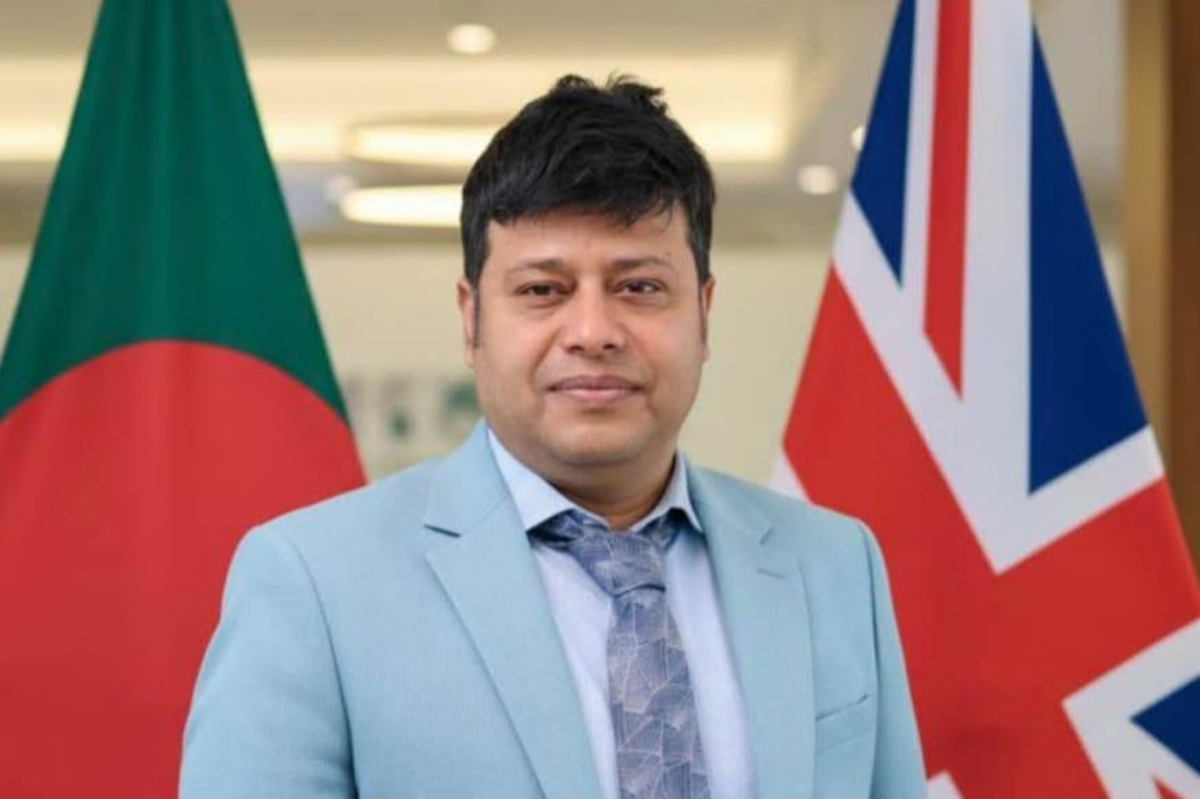
Azizul Ambya
There is a growing emptiness at the heart of Bangladeshi politics. It is not simply a vacuum of leadership, but a vacuum of statecraft itself. Political parties remain active, slogans dominate the streets, social media crackles with outrage, and rallies continue to draw crowds.
History offers a harsh lesson: no state can rely indefinitely on the memory of past leadership. If new leadership fails to emerge, political systems eventually lose energy, legitimacy and direction.
Yet the kind of long-term national vision required to guide a modern state appears increasingly absent. The question facing Bangladesh is therefore no longer confined to who holds power, nor merely to dynastic succession. The deeper question is whether anyone is emerging who possesses the political weight, diplomatic skill and strategic imagination to represent Bangladesh on the global stage after Sheikh Hasina.
The answer is far from straightforward.
To assess Sheikh Hasina purely through the narrow lens of party politics would be to misunderstand her historical significance. Her political career belongs to the broader story of state formation in Bangladesh. Since independence, only a handful of leaders have fundamentally shaped the country’s institutions, economy, bureaucracy and international standing. Hasina stands firmly within that category.
Her rise was never the story of an uncomplicated inheritance. Following the bloody events of 1975, she endured years in exile, political hostility, military rule and repeated assassination attempts. When she returned to Bangladesh in 1981 to lead the Awami League, she inherited a fractured state scarred by coups, poverty, political violence and institutional fragility.
Over time, however, she established herself not simply as the daughter of Sheikh Mujibur Rahman, but as a long-term political architect of the Bangladeshi state. Leaders who remain in power for extended periods often share certain defining characteristics: a developmental vision, administrative control, pragmatic diplomacy, resilience during crises and the capacity to implement long-range national projects. Under Hasina’s leadership, Bangladesh displayed many of those traits.
The country’s recent infrastructural transformation stands as perhaps the clearest example. The Padma Bridge, Dhaka Metro Rail, Karnaphuli Tunnel, Matarbari deep-sea project, elevated expressways and the expansion of digital governance were not merely development schemes. They became symbols of state capability and political ambition.
The Padma Bridge, in particular, altered the national political psyche. After the World Bank withdrew funding amid controversy, the government’s decision to finance the project domestically carried enormous political and economic risk. Once completed, however, the bridge became a powerful symbol of national confidence and sovereign capacity.
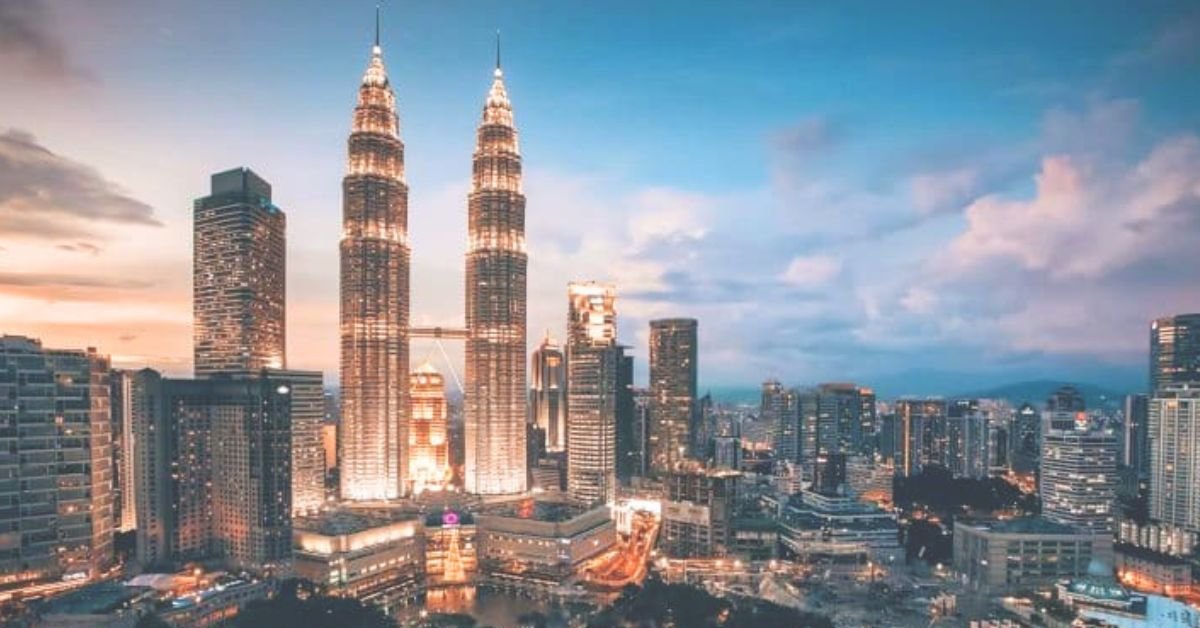
There are echoes here of Mahathir Mohamad’s developmental state philosophy in Malaysia. Much as Mahathir sought to transform Malaysia from an agricultural economy into an industrial power, Hasina pursued the political ambition of moving Bangladesh from a low-income country into the ranks of developing economies with regional influence.
“Digital Bangladesh” became one of the defining political brands of her government. Technology was not presented merely as an urban convenience for elites, but as an instrument of state modernisation reaching village-level administration. Mobile banking, online public services, digital governance and technology-driven civic systems reshaped everyday life across the country. It was not simply a technological initiative; it was a political project of modernisation.
There are also parallels with Lee Kuan Yew’s emphasis on disciplined administration and long-term planning in Singapore. Bangladesh’s realities are obviously different, yet Hasina similarly placed administrative continuity and development at the centre of political legitimacy.
Economically, Bangladesh drew significant international attention over the past decade. Garment exports, remittances, agricultural productivity, women’s participation in the workforce and the rise of small entrepreneurs gave the economy new momentum. Reports from the World Bank, IMF and United Nations repeatedly highlighted Bangladesh’s social progress. Reductions in poverty, improvements in life expectancy, declining child mortality and greater female economic participation positioned the country as an important South Asian success story.
Yet alongside this development narrative existed another reality.
Long periods in power almost inevitably generate political controversy, and Hasina’s tenure was no exception. Domestic and international observers repeatedly raised concerns over elections, freedom of expression, shrinking space for opposition politics and allegations of human rights abuses. The government, for its part, argued that a firm approach was necessary to counter extremism, violence and anti-state activity.
The 2016 Holey Artisan attack proved to be a turning point. Bangladesh’s aggressive anti-militancy operations that followed received considerable international support. The United States, India and the European Union broadly welcomed Dhaka’s counterterrorism efforts.
Diplomatically, Hasina pursued a notably pragmatic balancing strategy. Managing relationships simultaneously with India, China, the United States and Japan was never straightforward. Maintaining strategic ties with Delhi, securing Chinese infrastructure investment and preserving economic relations with Western powers required careful geopolitical manoeuvring.
Bangladesh’s response to the Rohingya crisis in 2017 also drew widespread global praise. Despite limited resources, the country opened its borders to hundreds of thousands of refugees fleeing violence in Myanmar. It was both a humanitarian and political decision of major consequence. Bangladesh also emerged as an increasingly influential voice in global climate discussions.
But today the central issue is no longer development alone. It is succession.
Instead of cultivating a new generation of globally capable leadership, Bangladesh appears increasingly drawn towards the politics of mob emotion and digital outrage. Social media-driven anger, viral populism, performative confrontation and personalised attacks are rapidly becoming central features of political culture. Political parties themselves often appear more preoccupied with immediate power struggles than with long-term national strategy.
Producing globally credible leadership requires far more than rhetorical skill. It demands knowledge of governance, an understanding of international diplomacy, economic literacy and the discipline to think beyond electoral cycles. Those qualities are becoming harder to identify within contemporary Bangladeshi politics.
Much of the political class now appears focused on securing domestic dominance, weakening internal opponents and converting social division into political capital. As a result, Bangladesh risks drifting towards a political environment where globally respected leadership becomes increasingly difficult to produce.
The challenge is particularly urgent because the world Bangladesh faces over the coming decades will be far more unforgiving. Geopolitical instability, artificial intelligence, climate change, economic restructuring and intensifying global competition will require unusually capable leadership.
History offers a harsh lesson: no state can rely indefinitely on the memory of past leadership. If new leadership fails to emerge, political systems eventually lose energy, legitimacy and direction.
The future of Bangladesh is therefore no longer solely about the future of a single party. It is about the future of leadership itself.
Sheikh Hasina’s legacy will continue to be debated, researched, criticised and defended for many years to come. Yet the defining political question of the next era may ultimately be simpler than all the arguments surrounding her rule:
Is anyone truly preparing to lead Bangladesh after her — and to lead it credibly on the world stage?
Azizul Ambya, Columnist, London
Read More: More children eligible for eGates in UK





- মালয়েশিয়া ভিসা চালু ২০২৬: আগস্টের শেষেই প্রথম ব্যাচ
- ডিভি লটারি আবেদনের নিয়ম
- অস্ট্রেলিয়া ওয়ার্ক ভিসা ২০২৪ আবেদন করবেন যেভাবে
- বিনা খরচে জার্মানি ওয়ার্ক ভিসা ২৬ হাজার কর্মী নিচ্ছে জার্মানি
- লন্ডনের ওয়ার্ক পারমিট ভিসা তথ্য ২০২৩
- ইউরোপ যাওয়ার আগে যা জানা প্রয়োজন
- গ্রিসে নিখোঁজের দেড় মাসেও খোঁজ মিলেনি হবিগঞ্জের ওয়াহিদ আলীর
- বিদেশে বসে ষড়যন্ত্রকারীদের চিহ্নিত করা হচ্ছে: আমিরাতে তথ্যমন্ত্রী
- মালয়েশিয়া কোম্পানি ভিসা এবং ফ্রি ভিসা সুবিধা অসুবিধা
- স্বচ্ছতা আনতে উন্মুক্ত লটারীর মাধ্যমে ভাতা কার্ডের তালিকা তৈরি