Imran Al mamun
Car Insurance Policy in UK and Modern Vehicle Protection Guide
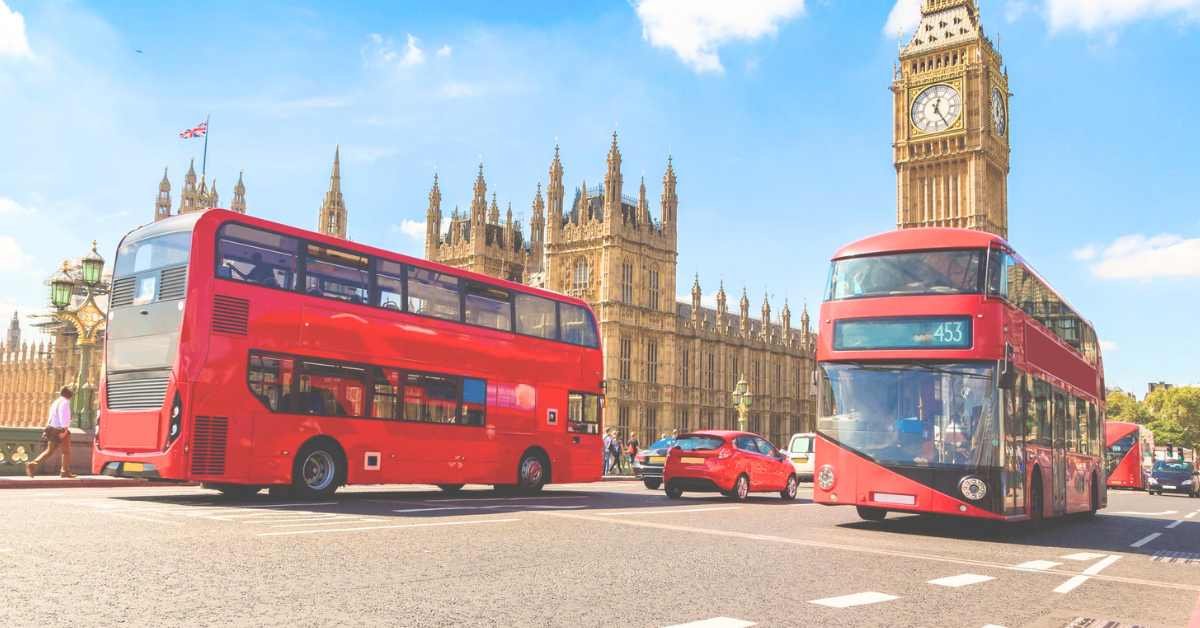
Car insurance in the United Kingdom is one of the most important legal and financial responsibilities for vehicle owners. Every year, millions of drivers across England, Scotland, Wales, and Northern Ireland purchase insurance policies to protect themselves, their vehicles, passengers, and other road users.
In the modern world, car insurance is no longer just a legal requirement. It has become a major part of personal financial planning, road safety, and vehicle ownership.
The UK has one of the most developed motor insurance markets in the world. Insurance companies compete aggressively by offering different policy types, pricing structures, coverage options, and digital services. Drivers today can compare policies online within minutes, making the industry highly competitive and customer focused.
Understanding how car insurance works in the UK is extremely important because insurance decisions affect financial security, legal protection, accident claims, and long term driving costs. Many drivers, especially international residents and first time vehicle owners, often find the British insurance system complicated at first. However, understanding the basics of UK car insurance can help drivers make smarter financial and legal decisions.
Car insurance in the UK is legally mandatory for most vehicles used on public roads. Drivers must have at least minimum insurance coverage before driving. Driving without valid insurance is considered a serious offense and can lead to fines, license penalties, vehicle seizure, and even court action.
The legal requirement exists because road accidents can create significant financial damage. Insurance helps ensure that victims receive compensation for injuries, property damage, and other losses caused by vehicle accidents.
The UK insurance system generally offers three main categories of car insurance coverage. These include third party insurance, third party fire and theft insurance, and comprehensive insurance. Each level provides different types of protection and financial coverage.
Third party insurance is the minimum legal requirement in the United Kingdom. This type of policy covers damage or injury caused to other people, vehicles, or property by the insured driver. However, it does not cover damage to the policyholder’s own vehicle.
Third party insurance is usually chosen by drivers seeking lower insurance costs or owners of older vehicles with lower market value. While it satisfies legal requirements, it provides limited financial protection for the policyholder personally.
Third party fire and theft insurance offers additional protection beyond standard third party coverage. In addition to covering damage caused to others, it also protects against vehicle theft and fire related damage.
Comprehensive insurance provides the highest level of protection. It usually covers damage to the policyholder’s own vehicle, damage to other vehicles, theft, fire, vandalism, weather related incidents, and sometimes accidental damage.
Many drivers assume comprehensive insurance is always the most expensive option. However, this is not always true. Insurance companies often view drivers choosing comprehensive coverage as lower risk customers, which can sometimes reduce premiums compared to lower level policies.
The cost of car insurance in the UK depends on many different factors. Age is one of the most important influences on insurance pricing. Younger drivers usually face significantly higher premiums because they are statistically considered higher risk drivers.
Drivers under the age of twenty five often pay much more for insurance compared to older drivers with longer driving histories. Insurance companies use historical accident data to estimate risk levels among different age groups.
Driving experience also strongly affects insurance costs. Newly licensed drivers generally pay higher premiums because they lack established driving records. Drivers with many years of safe driving experience usually receive lower rates.
Vehicle type is another major pricing factor. Expensive sports cars, luxury vehicles, and high performance automobiles often cost more to insure because repair and replacement expenses are higher.
Cars with strong safety ratings, lower theft risk, and affordable repair costs generally receive cheaper insurance quotes. Insurance companies analyze large amounts of data to determine how risky specific vehicle models are.
Location also significantly influences UK insurance prices. Drivers living in large cities often face higher premiums due to greater traffic density, accident rates, and vehicle theft risks. London is particularly known for high insurance costs compared to rural areas.
Annual mileage is another important consideration. Drivers who travel longer distances each year are statistically more likely to experience accidents, leading to higher premiums.
Occupation may also affect insurance pricing. Some professions are viewed as lower risk by insurers due to lifestyle patterns or statistical claims history.
Credit history and financial behavior sometimes indirectly influence insurance decisions as well, although UK regulations differ from systems used in some other countries.
One of the most important concepts in UK car insurance is the no claims bonus. This system rewards drivers who avoid making insurance claims over time. Each year without a claim usually increases discount levels on future premiums.
Drivers with long no claims histories can receive substantial reductions in insurance costs. This creates strong financial incentives for careful driving.
However, making claims may reduce or reset no claims bonuses unless drivers purchase additional protection options. Many experienced drivers choose protected no claims policies to maintain discounts after certain claim situations.
Telematics insurance has become increasingly popular in the UK, especially among younger drivers. These policies use tracking devices or mobile applications to monitor driving behavior such as speed, braking, acceleration, and driving times.
Safe driving behavior can lead to reduced premiums under telematics systems. Insurance companies use real driving data instead of relying only on statistical assumptions.
Digital transformation is rapidly changing the UK car insurance industry. Most policies can now be purchased, managed, and renewed online. Mobile applications allow drivers to report accidents, upload documents, and track claims digitally.
Comparison websites have also transformed the insurance market. Drivers can compare prices from multiple companies instantly, increasing transparency and competition.
Insurance fraud remains a major challenge in the UK. False claims, staged accidents, and fraudulent activities increase costs across the entire industry. Insurance companies invest heavily in fraud detection systems and investigation technologies.
The rise of electric vehicles is also changing car insurance dynamics in Britain. Electric cars often have different repair requirements and technology systems compared to traditional petrol or diesel vehicles.
Repairing electric vehicles can sometimes be more expensive due to battery systems and specialized components. However, advanced safety technology in electric vehicles may reduce accident frequency in some cases.
Climate change and extreme weather are increasingly affecting vehicle insurance claims. Flooding, storms, and severe weather events have become more common in some parts of the UK, increasing pressure on insurance costs.
Autonomous driving technology may eventually transform the entire insurance industry. Advanced driver assistance systems are already reducing some accident risks. Future self driving technologies could reshape how insurers calculate risk and liability.
Road accidents remain one of the primary reasons car insurance exists. Even careful drivers may face unpredictable situations involving weather conditions, mechanical failures, or mistakes by other road users.
Insurance provides financial protection against these uncertainties. Without insurance, individuals could face massive financial burdens after serious accidents.
Medical costs, legal liabilities, and vehicle repair expenses can quickly become overwhelming. Insurance spreads risk across large populations, making financial protection more manageable.
International drivers moving to the UK often experience challenges understanding British insurance systems. Driving histories from other countries may not always transfer fully to UK insurers, leading to higher initial premiums.
Students and temporary residents also face unique insurance situations. Many choose temporary insurance policies or named driver arrangements depending on their needs.
Named driver policies allow additional individuals to drive insured vehicles legally. However, insurers must be informed accurately about primary and secondary drivers.
Fronting is an illegal insurance practice where experienced drivers falsely claim to be primary drivers to reduce premiums for younger drivers. Insurance companies investigate such cases seriously.
Business vehicle insurance differs from personal car insurance. Drivers using vehicles for commercial activities often require special business coverage policies.
Taxi drivers, delivery workers, rideshare drivers, and commercial transport operators usually need specific insurance categories designed for professional vehicle use.
Classic car insurance is another specialized category within the UK market. Older collectible vehicles often receive unique policy structures based on limited usage and historical value.
Motorcycle insurance follows similar principles but includes different risk calculations and coverage structures.
Legal protection add ons are commonly offered by UK insurance providers. These services may help cover legal costs related to accidents, disputes, or compensation claims.
Breakdown cover is another popular optional service. Many drivers purchase roadside assistance packages providing towing, emergency repairs, battery support, and recovery services.
Courtesy car coverage may also be included or added separately. This provides temporary replacement vehicles while insured cars are being repaired after accidents.
Windscreen coverage is particularly common in UK policies because windshield damage frequently occurs due to road debris and weather conditions.
Insurance excess is another important concept. Excess refers to the amount drivers must pay personally before insurers contribute to claim costs.
Policies usually include compulsory excess amounts and optional voluntary excess choices. Higher voluntary excess often reduces premium costs but increases personal financial responsibility during claims.
The claims process itself is a critical part of UK car insurance. After accidents, drivers must usually report incidents quickly, provide evidence, and cooperate with investigations.
Dashcams are becoming increasingly popular because recorded footage can help clarify accident responsibility and reduce fraudulent claims.
Insurance companies use claims history databases to evaluate driver risk profiles. Frequent claims may significantly increase future premiums.
Car insurance prices in the UK fluctuate constantly due to inflation, repair costs, legal expenses, fuel prices, theft trends, and market competition.
Economic conditions strongly influence insurance markets. Rising repair costs, supply chain disruptions, and labor shortages can increase claim expenses for insurers.
Technology repair costs have become a growing issue because modern vehicles contain expensive sensors, cameras, and electronic systems. Even minor accidents can now require costly repairs.
The UK government and financial regulators oversee insurance companies to ensure consumer protection and industry stability. Insurance providers must follow strict legal standards and financial regulations.
Customer service has become increasingly important in the competitive insurance industry. Consumers now expect fast digital claims processing, transparent pricing, and responsive communication.
Social media and online reviews influence customer decisions significantly. Insurance companies invest heavily in brand reputation and digital customer experiences.
Environmental concerns are also shaping future insurance trends. Some companies now offer policies encouraging low emission driving and environmentally friendly vehicle choices.
Usage based insurance models may become more common in the future. Instead of fixed annual pricing, insurers could increasingly calculate premiums based on actual driving behavior and mileage.
Artificial intelligence is transforming insurance operations through automated claims analysis, fraud detection, and personalized pricing systems.
Machine learning algorithms can process large amounts of driving and claims data to predict risk more accurately than traditional systems.
Despite technological changes, the core purpose of car insurance remains the same. It exists to provide financial security and legal protection in uncertain situations.
For drivers, choosing the right policy requires balancing affordability and protection. Cheapest policies are not always best because insufficient coverage may create major financial problems later.
Understanding policy details carefully is extremely important. Exclusions, claim conditions, excess amounts, and coverage limits vary between insurers.
Many drivers renew policies automatically without comparing options, potentially paying much higher prices than necessary. Market competition often creates significant price differences between companies.
Young drivers continue facing some of the biggest insurance challenges in the UK. High premiums sometimes make vehicle ownership difficult for students and early career workers.
Government discussions occasionally focus on reducing insurance pressure for younger drivers through technology and policy reforms.
Public transportation quality also influences vehicle ownership trends. In cities with strong transport networks, some people choose not to own cars at all due to insurance and maintenance costs.
However, in rural areas, personal vehicles remain essential for work, education, and daily life. Car insurance therefore remains a critical financial responsibility for millions of households.
The future of UK car insurance will likely continue evolving with technological innovation, electric vehicles, climate challenges, and changing transportation systems.
Connected vehicles, AI driven pricing, and autonomous driving systems may transform how risk is calculated and managed.
Nevertheless, human driving behavior will remain central to road safety and insurance decisions for many years.
In conclusion, car insurance in the United Kingdom is much more than a legal obligation. It is a financial protection system designed to support drivers, accident victims, and public safety.
The UK insurance market offers multiple policy options, pricing structures, and digital services designed for different driver needs. Factors such as age, location, driving history, vehicle type, and mileage all influence insurance costs.
Modern technology is rapidly changing how insurance companies operate, calculate risk, and communicate with customers. Electric vehicles, telematics systems, artificial intelligence, and digital claims processing are shaping the future of the industry.
For drivers, understanding car insurance policies carefully is essential for financial security and legal compliance. Smart insurance decisions can save money, reduce stress, and provide valuable protection during unexpected situations.
As transportation systems continue evolving, car insurance will remain one of the most important aspects of responsible vehicle ownership in the United Kingdom.










- SSC Exam Result check 2026 Bangladesh
- NU Degree Result 2026 Bangladesh: Full Guide
- India Tourist Visa for Bangladeshis Resumes From May 6
- Eid al Fitr 2026 UAE Dates Confirmed and Expected Globally
- Cleaner Job Circular 2026 Saudi Arabia Latest Hiring Update
- Dubai-bound flight catches fire after taking off from Nepal
- Turkey`s homegrown 5th-generation fighter jet named KAAN
- Shihab Chottur reaches Makkah from India in 12 months
- Eid Ul Adha 2023 in Saudi Arabia!
- India gets new parliament building