Imran Al mamun
USA House Rent 2026 and the Future of the American Rental Market
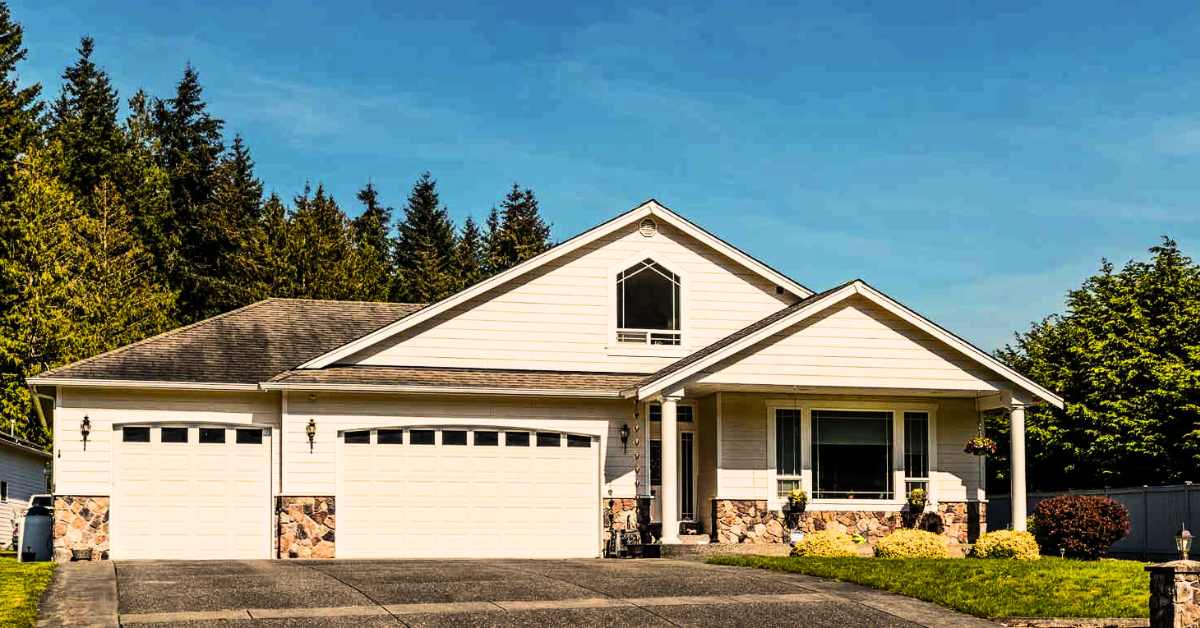
The housing rental market in the United States continues to evolve rapidly as economic conditions, population movement, technology, and lifestyle changes reshape how people live. In 2026, house rent in the USA remains one of the most important financial concerns for millions of individuals and families.
Rising living costs, urban development, migration trends, remote work culture, and changing real estate investments are all influencing rental prices across the country.
The American housing market has always played a central role in the national economy. Renting a house is not only a lifestyle choice but also a major economic decision that affects long term financial stability, career opportunities, education access, and quality of life. In 2026, the rental market reflects a complex mix of economic pressure, technological advancement, and changing social behavior.
House rent prices vary significantly across the United States. Major metropolitan cities such as New York, Los Angeles, San Francisco, Miami, Seattle, and Boston continue to have some of the highest rental costs in the country. These cities attract millions of workers, students, immigrants, and business professionals due to employment opportunities and modern infrastructure.
At the same time, smaller cities and suburban areas are becoming increasingly popular because of lower housing costs and improved remote work opportunities. Many Americans now prefer affordable cities where they can enjoy larger homes, quieter neighborhoods, and lower monthly expenses.
One of the biggest factors influencing USA house rent in 2026 is inflation. Over the past several years, inflation has affected construction materials, property taxes, maintenance costs, insurance, and utility prices. Landlords often increase rent to manage rising operational expenses.
Interest rates also strongly affect the rental market. When mortgage rates rise, buying a home becomes more difficult for many people. As a result, more individuals remain in rental housing, increasing demand for rental properties and pushing rent prices higher.
Population migration patterns continue reshaping rental demand across America. Some states experience rapid population growth because of strong job markets, favorable weather, and lower taxes. Texas, Florida, Arizona, North Carolina, and Tennessee have seen significant population increases in recent years.
This migration creates higher demand for rental properties in fast growing regions. Apartment complexes, suburban housing communities, and single family rental homes continue expanding to meet increasing housing demand.
Remote work culture remains one of the most influential trends affecting the rental market in 2026. Before the global remote work revolution, many employees needed to live close to offices in major cities. However, remote work now allows millions of people to live far from traditional business centers.
As a result, some expensive urban areas are experiencing slower rent growth while suburban and mid sized cities attract more renters seeking affordability and better living conditions. Flexible work arrangements have permanently changed housing preferences for many Americans.
Technology is also transforming how people rent homes in the United States. Online rental platforms, virtual property tours, digital contracts, AI powered property recommendations, and mobile payment systems have modernized the rental process.
Potential renters can now search for homes, compare prices, submit applications, verify income, and sign leases entirely online. Property management companies increasingly rely on digital systems to improve efficiency and tenant communication.
The rise of smart homes is another important trend in the 2026 rental market. Many modern rental properties now include smart locks, energy efficient systems, voice assistants, automated security systems, and app controlled appliances.
Energy efficiency has become a major selling point for rental properties. Rising utility costs encourage both landlords and tenants to prefer homes with better insulation, solar panels, smart thermostats, and energy saving appliances.
Environmental sustainability is becoming increasingly important in American housing development. Green buildings and eco friendly construction methods are influencing modern rental communities.
Luxury rental properties continue growing in major cities. High end apartments now offer amenities such as fitness centers, rooftop lounges, coworking spaces, swimming pools, gaming rooms, pet facilities, and advanced security systems. Many renters prioritize lifestyle experiences alongside housing needs.
However, affordability remains one of the biggest challenges in the American rental market. Many households spend a large percentage of their income on rent, especially in expensive urban areas. Housing affordability has become a major political and economic issue across the country.
Lower income families often struggle to find affordable housing in major cities. Waiting lists for affordable housing programs can be extremely long in some regions. Governments and local authorities continue discussing solutions for improving housing accessibility.
Homelessness also remains connected to rental affordability issues in certain cities. Rising housing costs combined with economic inequality create pressure on vulnerable populations.
Students represent another major group in the rental market. University towns and cities with large student populations experience strong demand for apartments and shared housing. International students also contribute significantly to rental demand near major educational institutions.
Short term rental platforms continue affecting housing markets in some cities. Properties used for vacation rentals sometimes reduce long term housing availability, influencing local rent prices.
Real estate investors play a major role in the 2026 rental economy. Large investment firms and property management companies own significant numbers of rental homes and apartment complexes across the country.
Single family rental homes have become especially popular investment assets. Many families prefer renting houses instead of apartments because they offer more space, privacy, and outdoor areas.
Suburban housing demand increased significantly after remote work became more common. Families often seek larger homes with home offices, backyards, and quieter environments outside crowded city centers.
At the same time, urban living remains attractive for many young professionals who value nightlife, public transportation, entertainment, and career networking opportunities.
The rental market also varies greatly depending on regional economic conditions. Cities with strong technology industries, healthcare sectors, financial centers, or manufacturing growth often experience higher rental demand.
The relationship between wages and rent prices continues to shape American economic discussions. In many regions, rent growth has outpaced income growth, creating financial stress for renters.
Rent control policies remain controversial in several cities. Some local governments implement rent stabilization systems to limit excessive rent increases, while critics argue such policies may discourage housing development.
Construction activity is another major factor affecting rent prices. Increasing housing supply through new apartment buildings and residential developments can help reduce pressure on rental costs. However, construction expenses remain high due to labor shortages and material costs.
Natural disasters and climate risks are also influencing the housing market in 2026. Floods, hurricanes, wildfires, and extreme weather conditions affect property insurance costs and rental availability in vulnerable regions.
Insurance premiums for landlords have increased in some states because of climate related risks. These additional expenses may contribute to higher rent prices.
Transportation access remains important in rental decisions. Properties located near highways, metro systems, public transportation, and employment centers generally command higher rental prices.
Neighborhood quality strongly affects rental value as well. Safety, school quality, healthcare access, shopping facilities, parks, and community services all influence housing demand.
Pet friendly rental housing has become increasingly important because more Americans own pets. Many landlords now provide pet amenities and flexible pet policies to attract tenants.
The legal relationship between landlords and tenants remains an important aspect of the rental market. Lease agreements, eviction laws, tenant protections, and maintenance responsibilities vary between states and cities.
Digital payment systems have simplified rent collection and financial management for property owners. Automatic payment options and online financial tracking improve convenience for both landlords and renters.
Artificial intelligence is beginning to influence property management as well. AI systems help analyze market trends, predict maintenance needs, optimize pricing, and screen rental applications.
Data analytics allows property companies to understand renter behavior more accurately. Market trends, occupancy rates, and neighborhood demand can now be analyzed in real time.
Housing design trends are also changing in 2026. Flexible spaces, home offices, high speed internet connectivity, and multifunctional layouts are increasingly important for renters.
Co living spaces have become more common in expensive cities. These shared living arrangements allow renters to reduce costs while accessing modern amenities and social communities.
Senior housing demand is also increasing because of America’s aging population. Retirement communities and age friendly rental developments are expanding in many states.
Immigration continues influencing rental demand in major metropolitan areas. Many immigrants initially rent homes while building financial stability and adapting to life in the United States.
Economic uncertainty remains a major influence on the housing market. Job market changes, inflation, recession fears, and global economic conditions all affect renter behavior and housing demand.
The future of the USA rental market may include more modular housing, prefabricated homes, and innovative construction technologies designed to reduce costs and increase housing availability.
3D printed homes are also gaining attention as a possible solution for affordable housing development. These technologies may reduce construction time and expenses significantly in future years.
Government housing policies will continue shaping rental trends. Tax incentives, affordable housing investments, zoning regulations, and infrastructure development all influence rental markets nationwide.
Financial literacy has become increasingly important for renters. Budgeting, credit scores, debt management, and savings strategies strongly affect housing opportunities and financial stability.
Younger generations often face different housing realities compared to previous decades. Student debt, rising living costs, and changing career patterns influence homeownership decisions and long term renting trends.
The American dream of homeownership still remains important for many people, but renting has become a long term lifestyle choice for a growing portion of the population.
Flexibility is one reason many individuals prefer renting. Renters can relocate more easily for jobs, education, or lifestyle changes without long term property commitments.
Landlords also face challenges in the modern rental market. Maintenance costs, legal regulations, property taxes, insurance expenses, and tenant management require constant attention.
Professional property management companies continue expanding because many property owners prefer outsourcing daily management responsibilities.
Community focused housing developments are also becoming more popular. Shared amenities, social spaces, coworking facilities, and wellness centers create more integrated living experiences.
In conclusion, the USA house rent market in 2026 reflects broader economic, technological, and social transformations happening across the country. Rising demand, changing work culture, population migration, inflation, and digital innovation are all shaping the future of American rental housing.
The rental market remains highly competitive in many regions, especially major cities and fast growing suburban areas. At the same time, affordability challenges continue affecting millions of households nationwide.
Technology, sustainability, smart housing systems, and flexible living arrangements are transforming how people search for and experience rental housing. The future of the American rental market will likely continue evolving alongside economic trends, environmental challenges, and changing lifestyle preferences.
House renting in the United States is no longer simply about finding shelter. It has become deeply connected to career mobility, financial planning, technology integration, environmental sustainability, and quality of life. As the country moves further into the digital age, the rental housing market will remain one of the most important parts of the American economy and modern society.









- SSC Exam Result check 2026 Bangladesh
- NU Degree Result 2026 Bangladesh: Full Guide
- India Tourist Visa for Bangladeshis Resumes From May 6
- Eid al Fitr 2026 UAE Dates Confirmed and Expected Globally
- Cleaner Job Circular 2026 Saudi Arabia Latest Hiring Update
- Dubai-bound flight catches fire after taking off from Nepal
- Turkey`s homegrown 5th-generation fighter jet named KAAN
- Shihab Chottur reaches Makkah from India in 12 months
- Eid Ul Adha 2023 in Saudi Arabia!
- India gets new parliament building