Imran Al mamun
Libya to Italy Distance by Boat Becomes Major Topic Amid
The sea distance between Libya and Italy continues attracting global attention in 2026 as migration routes across the Mediterranean remain one of the most discussed humanitarian and political issues in Europe.
Thousands of people attempting to reach Europe from North Africa often travel by boat from the Libyan coastline toward southern Italy, making the route internationally significant for governments, aid organizations, and border agencies.
Geographically, the shortest maritime distance between Libya and Italy varies depending on the departure and arrival points. Many migrant boats depart from coastal areas near western Libya and attempt to reach the Italian island of Lampedusa, one of the closest European territories to North Africa.
Travel experts and maritime analysts estimate that the distance between parts of Libya and Lampedusa can be roughly around 300 kilometers or slightly less in some cases. However, actual travel distance changes depending on sea conditions, navigation routes, weather, and the boat’s starting location.
Mediterranean Route Remains Extremely Dangerous
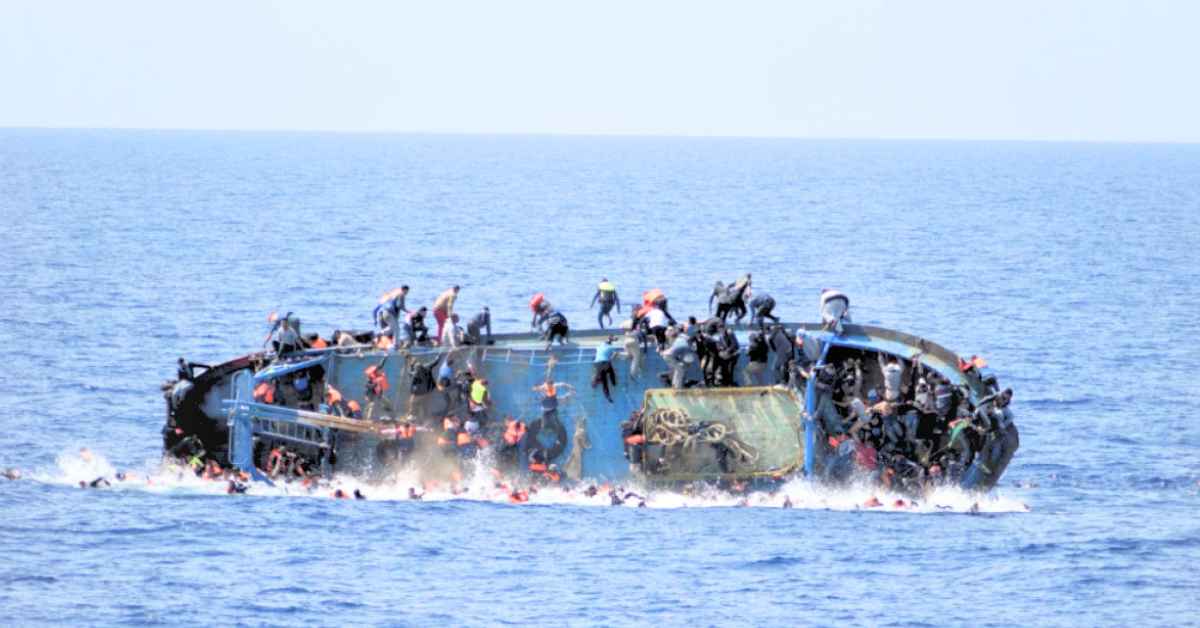
Despite the relatively short geographical distance, the Mediterranean crossing remains highly dangerous. Overcrowded boats, poor weather conditions, limited fuel supplies, and unsafe vessels continue putting thousands of lives at risk every year.
International rescue organizations operating in the Mediterranean frequently warn about the humanitarian dangers linked to irregular sea crossings. Many migrants attempting the journey rely on smugglers who often use small inflatable boats or aging fishing vessels not designed for long-distance sea travel.
Maritime rescue agencies regularly conduct emergency operations after boats become stranded or damaged during the crossing.
Human rights organizations continue urging stronger international cooperation to reduce deaths and improve migrant protection measures.
Italy Faces Ongoing Migration Pressure
Italy remains one of the primary entry points into Europe for migrants crossing the Mediterranean from North Africa. Southern Italian islands and coastal regions often receive the highest number of arrivals.
Italian authorities continue balancing border control operations with humanitarian rescue responsibilities. Reception centers in some regions have faced overcrowding during periods of increased migration activity.
Political debate surrounding migration policy remains intense across Italy and the wider European Union. Some leaders advocate stricter border enforcement, while others emphasize humanitarian support and international responsibility-sharing.
Migration experts say instability, conflict, poverty, and limited economic opportunities in several regions continue pushing people toward dangerous migration routes.
Smuggling Networks Under International Scrutiny
International law enforcement agencies are increasing efforts to target human smuggling networks operating across North Africa and the Mediterranean region.
Authorities say criminal groups often exploit vulnerable migrants by charging large sums for unsafe journeys with little guarantee of survival.
European and African governments are cooperating more closely on intelligence sharing, maritime monitoring, and anti-smuggling operations.
Security analysts believe organized trafficking networks remain highly adaptable, frequently changing routes and tactics to avoid enforcement efforts.
Weather Conditions Affect Sea Crossings
Sea conditions in the Mediterranean can change rapidly, making boat journeys unpredictable and dangerous. Strong winds, high waves, and storms can quickly turn short-distance crossings into life-threatening situations.
Maritime experts say even experienced sailors must carefully monitor weather forecasts before attempting long sea travel in the region.
Small overcrowded migrant boats are especially vulnerable because many lack proper navigation equipment, communication systems, or safety gear.
Search and rescue operations often become more difficult during periods of rough weather and limited visibility.
European Policies Continue Evolving
European Union migration policies continue evolving as member states attempt to manage border security and humanitarian obligations simultaneously.
Discussions surrounding asylum processing, migrant relocation systems, and border patrol funding remain major political topics throughout Europe.
Italy has repeatedly called for stronger European cooperation to handle migration flows more effectively.
Meanwhile, international organizations continue stressing the importance of protecting human rights while addressing irregular migration challenges.
Libya Remains Key Departure Point
Libya continues serving as one of the main departure locations for Mediterranean migration routes because of ongoing political instability and weak border control in some coastal areas.
International organizations have expressed concern about conditions faced by migrants inside Libya before attempting sea crossings.
Efforts to improve security and migration management inside the country remain complicated due to internal political divisions and regional instability.
Diplomatic discussions involving Libya, European governments, and international agencies continue focusing on migration control and humanitarian coordination.
Maritime Route Gains Global Attention
The Libya-to-Italy boat route remains one of the world’s most closely monitored migration corridors because it combines humanitarian, political, security, and international legal challenges.
Although the sea distance between Libya and southern Italy may appear relatively short on a map, experts emphasize that the journey can become extremely dangerous under real-world conditions.
For many migrants, the crossing represents hope for safety, economic opportunity, or asylum. For European governments, it remains a major policy challenge requiring international coordination and long-term solutions.
As migration pressures continue affecting the Mediterranean region in 2026, the Libya-to-Italy sea route is expected to remain at the center of global debate over border security, humanitarian protection, and international migration policy.










- SSC Exam Result check 2026 Bangladesh
- India Tourist Visa for Bangladeshis Resumes From May 6
- NU Degree Result 2026 Bangladesh: Full Guide
- Dubai-bound flight catches fire after taking off from Nepal
- Eid al Fitr 2026 UAE Dates Confirmed and Expected Globally
- Turkey`s homegrown 5th-generation fighter jet named KAAN
- Shihab Chottur reaches Makkah from India in 12 months
- Eid Ul Adha 2023 in Saudi Arabia!
- India gets new parliament building
- Cleaner Job Circular 2026 Saudi Arabia Latest Hiring Update