
Imran Al Mamun
Andy Burnham Home EV VAT 0% Cut Explained
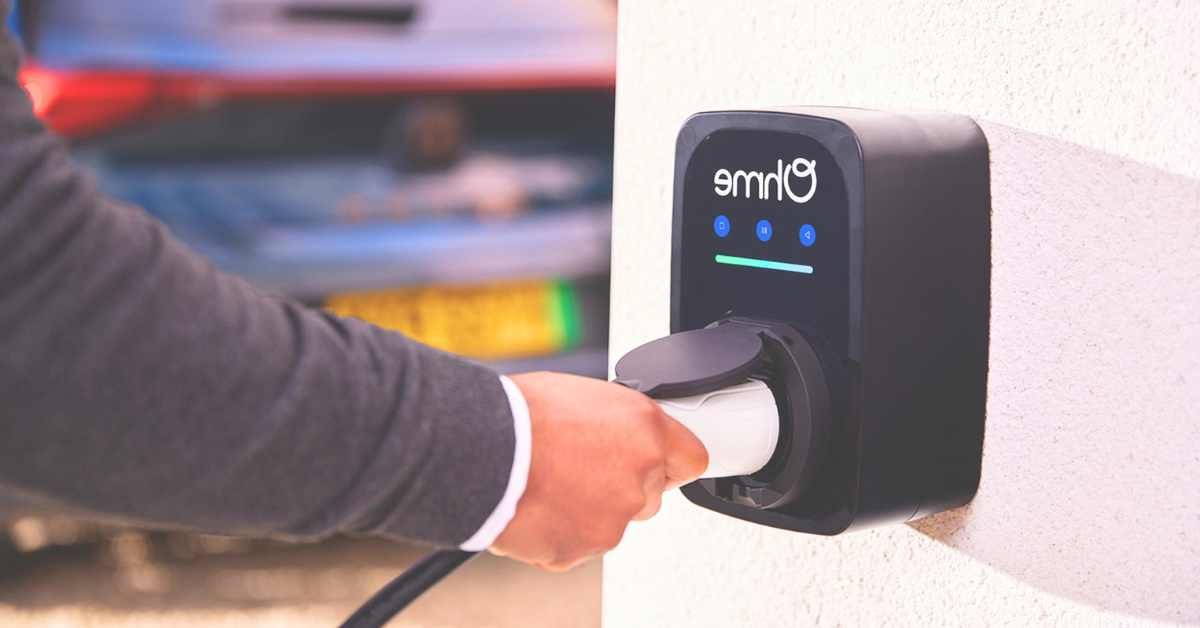
The United Kingdom's newly appointed Prime Minister, Andy Burnham, has unveiled his first major domestic policy: slashing the Value-Added Tax (VAT) on household electricity bills from 5% to 0%. Taking effect on October 1, 2026, the move aims to ease the cost of living for millions of households.
However, the andy burnham home ev vat announcement has sparked a significant conversation within the global automotive industry regarding the disparity between domestic and public electric vehicle charging costs.
For international observers, investors, and UK residents tracking the electric vehicle (EV) market, this policy shift carries major implications. Here is a complete breakdown of the latest news surrounding the UK's domestic energy VAT cut and how it will reshape the EV charging landscape.
The Core Policy: 0% VAT on Household Electricity
In one of his first acts as Prime Minister, Andy Burnham confirmed that household electricity will be completely exempt from VAT starting in October 2026. The tax cut is expected to last for at least six months and is designed to lower the annual Ofgem energy price cap by an average of £45 for a standard household.
The UK government announced that this £850 million tax relief measure will be funded by scrapping the previously proposed digital ID scheme. While the £45 figure is an average based on standard household consumption, households that consume high amounts of electricity—specifically those charging electric vehicles at home—stand to save substantially more.
How the Andy Burnham Home EV VAT Cut Impacts Drivers
If you rely on a home charger for your electric car, this policy is overwhelmingly positive. EV owners consume significantly more electricity than a typical household. A standard EV driven 8,000 to 10,000 miles a year draws roughly 2,000 to 2,500 kWh from the domestic grid, which often adds 70% to 90% to a home's standard electricity usage.
Because the VAT cut applies to every kilowatt-hour (kWh) used, drivers who fuel their cars from their own driveways will see their running costs drop even further. With smart, off-peak domestic tariffs offering electricity for as little as 7p per kWh, the incentive to buy an EV and charge it at home has never been stronger.
The Public vs. Home Charging Controversy
While the home EV VAT cut is a massive win for homeowners with off-street parking, it has highlighted a glaring inequality in the UK's electric vehicle infrastructure. The new 0% VAT rate applies strictly to domestic electricity. Drivers who rely on public charging networks will continue to pay the standard 20% VAT rate on their charging sessions.
This widening cost gap has drawn criticism from industry leaders:
-
A Penalty for Those Without Driveways: Out of the roughly 2 million EV drivers in the UK, hundreds of thousands do not have access to off-street parking. They are entirely reliant on public charging stations, where electricity can cost upwards of 70p per kWh.
-
Industry Pushback: Vicky Edmonds, CEO of EVA England, welcomed the domestic cut but warned that the transition to electric transport cannot be fair if people pay substantially more simply because they cannot charge at home.
-
Pressure on Chargepoint Operators: The domestic tax cut puts commercial charging networks in a difficult position. Operators have long lobbied the government to reduce the public charging VAT to 5% to create price parity. Instead, the gap has expanded from 15% to 20%.
Global Context: Why This Matters Internationally
For international automakers and clean energy investors looking at the UK market, the Andy Burnham home EV VAT policy sends a clear signal: the government is prioritizing the electrification of homes and private transport. Camilla Born, CEO of the campaign group Electrify Britain, noted that by cutting VAT on electricity but keeping it on natural gas, the Burnham administration is actively encouraging the British public to adopt domestic green technology, including EVs and heat pumps.
However, the policy also serves as a case study for other nations navigating the transition to electric vehicles. It demonstrates the challenge of ensuring equitable infrastructure. As governments worldwide offer tax incentives for home charging, they must simultaneously address the "public charging premium" to avoid alienating urban residents and those living in apartments.
Looking Ahead to October 2026
As the October 1 deadline approaches, all UK energy suppliers are expected to pass the 5% tax reduction directly onto consumers automatically, including those on fixed-rate tariffs. While this is a definitive win for home-charging EV owners, pressure is mounting on the Burnham administration to launch a comprehensive review of public charging costs. Until structural reforms are made to commercial electricity taxes, the most cost-effective place to fuel an electric vehicle in the UK remains the home driveway.










- SSC Exam Result check 2026 Bangladesh
- India Tourist Visa for Bangladeshis Resumes From May 6
- NU Degree Result 2026 Bangladesh: Full Guide
- Dubai-bound flight catches fire after taking off from Nepal
- Eid al Fitr 2026 UAE Dates Confirmed and Expected Globally
- Turkey`s homegrown 5th-generation fighter jet named KAAN
- Shihab Chottur reaches Makkah from India in 12 months
- Eid Ul Adha 2023 in Saudi Arabia!
- India gets new parliament building
- Italy will take 82 thousand workers, the is in March