Imran Al mamun
Redmi Note 15 Pro A Comprehensive 2026 Market Analysis
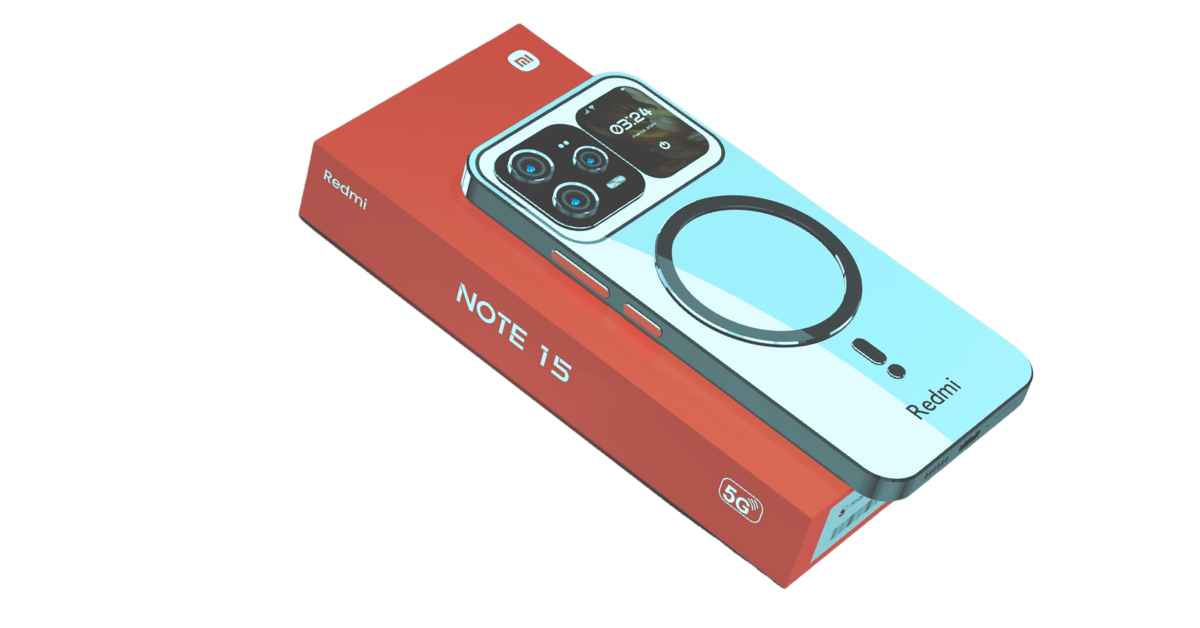
As we navigate through the second quarter of 2026, the global smartphone industry has reached a fascinating inflection point. The race for pure processing power has somewhat plateaued, and consumer attention has sharply pivoted toward battery endurance, display visibility, and sheer longevity.
In this highly competitive environment, Xiaomi has officially deployed its latest contender, the Redmi note 15 pro. Released to the global market in January 2026, this device represents a highly calculated, albeit controversial, strategic move by the tech giant. Rather than blindly chasing next-generation connectivity standards at the expense of core usability, Xiaomi has engineered a device that heavily prioritizes screen quality, camera resolution, and an absolutely massive battery capacity.
The introduction of the Redmi note 15 pro is not just another hardware release; it is a profound statement about the realities of global tech consumption in 2026. While the industry echoes with the promises of 5G and early 6G testing, a vast majority of the global population still relies on mature, stable 4G networks. By acknowledging this reality, Xiaomi has created a device that balances extreme premium features with strategic cost-saving compromises, resulting in a smartphone that requires a deep, nuanced understanding to fully appreciate. This comprehensive analysis will explore every facet of the device, from its hardware architecture and software integration to its market impact and future viability.
UNDERSTANDING THE STRATEGIC HARDWARE CHOICES
At the heart of the Redmi note 15 pro lies a decision that has sparked intense debate among technology analysts: the utilization of the Mediatek Helio G200 Ultra chipset. In an era where even budget devices occasionally sport 5G capabilities, outfitting a "Pro" moniker device with a 4G-only processor seems counterintuitive at first glance. However, a deeper examination of the global silicon supply chain and consumer economics reveals the genius behind this choice.
The Helio G200 Ultra is a 64-bit, octa-core processor fabricated on a highly efficient 6-nanometer process. It features two Cortex-A76 performance cores clocked at 2.2 GHz and six Cortex-A55 efficiency cores operating at 2.0 GHz. Paired with the Mali-G57 MC2 GPU running at 1.1GHz, this chipset is not designed to break benchmark records. Instead, it is designed for unparalleled thermal stability and energy efficiency. By opting out of the expensive 5G modem licensing and the associated battery drain, Xiaomi redirected the manufacturing budget into components that users interact with every single second: the display and the battery.
This strategic reallocation of resources is crucial to understanding the Redmi note 15 pro price positioning. Had Xiaomi included a mid-tier 5G chipset, the device would have inevitably compromised on its screen brightness or its camera sensor to maintain its aggressive price bracket. Instead, the Helio G200 Ultra provides perfectly adequate performance for daily tasks, social media navigation, and moderate gaming, while acting as a hyper-efficient engine that allows the massive 6500 mAh battery to shine.
DISPLAY TECHNOLOGY PUSHING THE BOUNDARIES OF BRIGHTNESS
If there is one aspect where the Redmi note 15 pro transcends its mid-range classification, it is the display. The device boasts a spectacular 6.77-inch Full HD+ AMOLED panel, featuring a resolution of 1080 by 2392 pixels. With a pixel density of 388 pixels per inch, text and images are rendered with crisp, flagship-level clarity. However, the true crowning achievement of this screen is its peak brightness rating of 3200 nits.
To contextualize this achievement in 2026, just three years ago, peak brightness levels of 2000 nits were reserved exclusively for ultra-premium devices costing over a thousand dollars. The democratization of high-luminance AMOLED panels means that a user carrying the Redmi note 15 pro can step into direct, blinding sunlight and still experience perfect screen legibility. This has massive implications for gig economy workers, delivery drivers, and outdoor professionals who rely heavily on mobile navigation and communication under harsh lighting conditions.
The display also features a 120 Hz refresh rate, ensuring that the Android 15 and HyperOS 2 interface glides seamlessly beneath the user's fingertips. The capacitive touchscreen supports multi-touch and is protected by Corning Gorilla Glass Victus 2. This inclusion is yet another pleasant surprise, as Victus 2 offers vastly improved drop resistance on rough surfaces like concrete, significantly extending the lifespan of the device in real-world scenarios. The screen-to-body ratio sits at an impressive 89.1 percent, facilitated by a modern punch-hole notch design that houses the front-facing camera without intruding excessively on the viewing area.
A REVOLUTION IN ENDURANCE BATTERY CAPACITY AND CHARGING DYNAMICS
The most heavily marketed feature of the Redmi note 15 pro, and arguably its most significant selling point, is the lithium-ion battery. Xiaomi has managed to engineer a staggering 6500 mAh non-removable cell into a chassis that measures only 8 millimeters in thickness. Achieving this required advancements in high-density battery chemistry and internal space optimization.
In real-world terms, a 6500 mAh battery combined with the power-sipping 6nm Mediatek Helio G200 Ultra chipset translates to multi-day battery life. For the average user, passing the 48-hour mark on a single charge is not just possible; it is the standard expectation. For power users, the device comfortably survives an entire day of heavy GPS navigation, constant media playback, and high-brightness screen usage. This effectively eliminates battery anxiety, a persistent psychological stressor for modern smartphone users.
Charging this massive power plant is handled by a 45W wired fast charging system via the USB Type-C 2.0 port. While 45W is not the absolute fastest charging speed available in 2026, it represents a careful balance between charging velocity and long-term battery health. Pushing higher wattages into a 6500 mAh cell would generate excessive heat, accelerating battery degradation over time. Furthermore, the device introduces an immensely practical 18W reverse wired charging feature. This effectively turns the smartphone into a high-speed portable power bank, allowing users to charge their wireless earbuds, smartwatches, or even a friend's depleted device at respectable speeds.
PHOTOGRAPHIC CAPABILITIES HIGH RESOLUTION MEETS HARDWARE LIMITATIONS
The camera array on the Redmi note 15 pro is a study in contrasting capabilities. The primary shooter is a massive 200-megapixel sensor with a wide f/1.7 aperture. This sensor utilizes advanced pixel-binning technology, merging multiple adjacent pixels into a single super-pixel to capture immense amounts of light and detail. In daylight conditions, the resulting photographs are breathtaking, outputting images with a maximum resolution of 16000 by 12500 pixels. The inclusion of Optical Image Stabilization is a critical asset here, counteracting hand tremors and allowing for sharper images, especially in low-light environments where the shutter must remain open longer.
Accompanying the primary sensor is an 8-megapixel ultra-wide-angle camera with an f/2.2 aperture. While a noticeable step down in detail from the primary lens, it provides the necessary versatility for sweeping landscapes and large group photos. Features such as High Dynamic Range mode, exposure compensation, face detection, and touch-to-focus ensure a robust still-photography experience. The front-facing camera is a generous 32-megapixel wide-angle lens, catering perfectly to the high demands of social media content creators and remote video conferencing.
However, the camera system's limitations become apparent in the video recording department, directly reflecting the constraints of the Mediatek Helio G200 Ultra's Image Signal Processor. The device is entirely incapable of recording video in 4K resolution. Both the rear and front cameras max out at 1920 by 1080 resolution. The rear camera can manage 60 frames per second, while the front camera is limited to 30 frames per second. While gyro-Electronic Image Stabilization helps keep the 1080p footage smooth, the lack of 4K recording is a notable compromise in 2026, highlighting the specific trade-offs Xiaomi made to maintain the device's affordability.
DESIGN LANGUAGE AND BUILD QUALITY
Aesthetically, the device strikes a balance between premium aspirations and pragmatic material choices. Measuring 163.2 mm in height and 76.3 mm in width, it is a substantial device, yet it remains relatively lightweight at 195 grams. This weight management is achieved through a hybrid build construction. While the front is protected by the ultra-premium Gorilla Glass Victus 2, the back panel and frame are constructed from high-quality plastics.
Far from feeling cheap, the plastic back is treated with matte finishes and sophisticated textures to mimic the feel of frosted glass or metallic alloys. Available in Black, Glacier Blue, and an on-trend Titanium finish, the device looks decidedly modern. The use of plastic on the rear also contributes to better shock absorption during accidental drops compared to a fully glass-backed phone.
Durability is further enhanced by an official IP65 rating. This certification guarantees that the device is entirely dust-proof and can withstand low-pressure water jets from any direction. While it is not designed to be submerged in swimming pools like an IP68-rated flagship, it easily survives heavy rainstorms, accidental spills, and the damp environments common in tropical climates.
SOFTWARE EXPERIENCE HYPEROS 2 AND ANDROID 15
Running out of the box on Android 15, the device is layered with Xiaomi's proprietary HyperOS 2 user interface. By 2026, HyperOS has matured significantly from its early iterations, effectively shedding the bloated reputation of its predecessor, MIUI. HyperOS 2 is engineered from the ground up to be lighter, faster, and deeply integrated with the broader Xiaomi smart home ecosystem.
Android 15 provides a rock-solid foundation, bringing enhanced privacy controls, advanced background app management, and refined notification systems. HyperOS 2 takes these core features and optimizes them specifically for the Mediatek Helio G200 Ultra, utilizing AI-driven resource allocation to ensure the interface remains fluid even with 8 GB of RAM and 256 GB of UFS 2.2 internal storage.
A notable feature of the software experience is the optimization of biometric security. The optical fingerprint sensor is positioned on-screen, providing quick and secure access. Combined with rapid face unlock algorithms, users have multiple seamless entry points into their device. The software also actively manages the internal storage, using advanced file compression techniques to maximize the utility of the 256 GB capacity, ensuring ample space for the massive 200MP image files.
MARKET CONTEXT THE REDMI NOTE 15 FAMILY STRATEGY
To fully grasp the position of the Pro model, one must look at the broader lineup. The standard Redmi note 15, expected to release alongside or shortly after the Pro version, caters to an even more budget-conscious demographic. While the base model traditionally scales back on camera resolution, charging speed, and build materials, the Pro model serves as the aspirational tier within the budget category.
Consumers frequently weigh the benefits of upgrading from the base model to the Pro. In this generation, the jump to a 200MP camera, a 3200-nit display, and the massive 6500 mAh battery makes the Pro variant incredibly enticing. The internal competition within the Redmi family is fierce, but the clear delineation of features ensures that the Pro model stands out as the ultimate value proposition for those willing to spend slightly more for tangible daily benefits.
ANALYZING THE REDMI NOTE 15 PRO PRICE AND GLOBAL ECONOMIC IMPACT
Pricing strategy is where the true battlefield of the smartphone market exists in 2026. The Redmi note 15 pro price has been carefully calibrated to disrupt the global mid-range sector. Amidst global inflation and rising component costs, keeping a smartphone affordable while offering premium specifications is an immense logistical challenge.
While exact regional pricing fluctuates based on import taxes and currency valuations, the device is positioned to undercut competitors from Samsung, Realme, and Motorola significantly. By eschewing the 5G tax and utilizing UFS 2.2 storage rather than the newer, more expensive UFS 4.0, Xiaomi maintains incredibly aggressive profit margins while delivering high perceived value to the consumer.
This pricing strategy has a profound socio-economic impact, particularly in emerging markets across South Asia, Latin America, and Africa. In these regions, a smartphone is not just a communication tool; it is the primary gateway to the internet, digital banking, remote education, and gig-economy employment. Offering a device with a hyper-bright screen for outdoor work and a battery that lasts two days transforms the economic viability of its users. The competitive price point democratizes access to technology that directly impacts livelihoods.
NETWORK CONNECTIVITY AND THE 4G REALITY
The connectivity suite of the device is perhaps its most polarizing aspect. Supporting 2G, 3G, and 4G networks, with dual Nano-SIM capabilities and VoLTE support, the phone offers incredibly stable and reliable cellular connections. Speed is facilitated by HSPA and LTE protocols. It also features Wi-Fi 5 operating on the 5GHz band, Bluetooth 5.3, NFC for contactless payments, and a traditional Xiaomi staple: the infrared port for controlling home appliances.
The explicit omission of 5G is a calculated gamble. Critics argue that launching a 4G device in 2026 limits future-proofing. However, market realities tell a different story. In many parts of the world, 5G infrastructure remains concentrated in dense urban centers. Rural areas, suburban sprawls, and vast swathes of developing nations still operate primarily on 4G networks. Furthermore, for the target demographic of this device, the extreme bandwidth of 5G is rarely a necessity for daily tasks like messaging, browsing, and standard-definition video streaming. By providing rock-solid 4G connectivity, Xiaomi guarantees reliable performance without the battery drain and thermal throttling often associated with budget 5G modems.
MULTIMEDIA AND SENSORY EXPERIENCE
Despite its utilitarian processor, the multimedia experience on the device is robust. The 6.77-inch AMOLED screen provides an expansive canvas for media consumption. While it lacks a traditional 3.5mm headphone jack, relying instead on the USB Type-C port or Bluetooth 5.3 for audio output, the inclusion of a powerful loudspeaker ensures clear audio for calls and media.
The sensor suite is comprehensive, featuring a light sensor, proximity sensor, accelerometer, compass, and gyroscope. This array ensures that the device reacts intelligently to its environment, adjusting brightness instantly, turning off the screen during calls, and providing accurate motion tracking for basic gaming and augmented reality applications.
RISKS CHALLENGES AND CONSUMER CONSIDERATIONS
No technological device is without its flaws, and potential buyers must navigate several compromises. The primary risk factor is the long-term viability of the Mediatek Helio G200 Ultra processor. While it performs admirably in 2026, as software updates accumulate and applications become more resource-intensive, the aging architecture of the Cortex-A76 cores may show signs of lag toward the end of the decade.
Additionally, the limitation of 1080p video recording is a significant drawback for content creators. In an ecosystem heavily reliant on high-definition short-form video, the inability to capture 4K footage limits the device's appeal to aspiring videographers. Furthermore, while the plastic back is durable, it is prone to micro-scratches over time, necessitating the use of a protective case to maintain its aesthetic appeal.
Another consideration is the storage type. While 256 GB is a generous capacity, UFS 2.2 is an older storage standard. This means app installation times, large file transfers, and device boot times will be noticeably slower compared to devices utilizing UFS 3.1 or 4.0 technology.
FUTURE PREDICTIONS THE SMARTPHONE LANDSCAPE FROM 2026 TO 2032
Looking ahead, the launch of this device provides valuable insights into the trajectory of the smartphone industry. Over the next five to six years, we predict a massive schism in the market. Ultra-premium devices will continue to push the boundaries of folding screens, artificial intelligence integration, and satellite connectivity. However, the mid-range sector, defined by devices like the Redmi note 15 pro, will increasingly focus on raw endurance and durability.
We anticipate that by 2030, the standard battery capacity for mid-range devices will settle around the 7000 mAh mark, enabled by the transition from traditional lithium-ion to solid-state battery technologies. Displays will continue to push brightness limits, rendering the concept of "screen glare" entirely obsolete. Furthermore, we predict a resurgence of high-quality 4G devices tailored specifically for regions where 5G rollout has stagnated due to geographic or economic barriers.
When analyzing a device of this magnitude, several common questions arise from prospective buyers. Addressing these provides a clearer picture of the device's real-world utility.
Is the battery truly capable of lasting two days?
Yes, under normal usage conditions. The combination of the 6500 mAh capacity and the highly efficient 6nm processor ensures minimal power drain during standby and moderate use. Heavy gaming or continuous GPS usage will reduce this, but it comfortably outlasts traditional 5000 mAh devices.
Does the lack of 5G ruin the experience?
For the vast majority of users, no. 4G LTE speeds are more than sufficient for streaming high-quality music, watching HD videos, and browsing the web. Unless you routinely download massive files over cellular data, the absence of 5G will go largely unnoticed.
The 200-megapixel sensor features an f/1.7 aperture and Optical Image Stabilization, which are crucial for low-light photography. By utilizing pixel binning, the camera absorbs more light, resulting in bright, clear night shots, though some digital noise may still be present in extremely dark environments.
Is the device suitable for heavy gaming?
It is capable of running popular titles, but it is not a dedicated gaming phone. The Mali-G57 MC2 GPU will handle most games at medium settings smoothly. However, attempting to run graphically intense, demanding 3D games at maximum settings will result in frame drops and potential thermal throttling.
In conclusion, the Redmi note 15 pro stands as a testament to intelligent compromise. Xiaomi has masterfully analyzed the global market in 2026 and delivered a product that directly addresses the most pressing needs of the average consumer: battery life, screen visibility, and photographic detail, all without destroying the budget.
By deliberately sidestepping the 5G race and the ultra-high-end processor wars, the device carves out a distinct and highly lucrative niche. It is a workhorse smartphone, designed to survive the rigors of daily life, whether that involves navigating a sun-drenched city on a delivery route, capturing high-resolution memories, or simply staying connected without the constant dread of a depleted battery. The strategic brilliance of the Redmi note 15 pro lies not in what it includes, but in what it confidently chooses to leave behind, ultimately delivering a champion of the 2026 mid-range market.









- আমেরিকান ডিভি লটারি ২০২৪ বাংলাদেশ
- ফেসবুক মনিটাইজেশন আপডেট ২০২৩
- বাংলাদেশে কম দামে ভালো মোবাইল ফোনের দাম
- মোবাইল নাম্বার দিয়ে লোকেশন বের করার নিয়ম
- অনলাইনে কানাডা ভিসা চেক করার নিয়ম ২০২৩
- অনলাইনে বিধবা ভাতা আবেদন করার নিয়ম ২০২৩
- সুন্দরবন কুরিয়ার সার্ভিস ডেলিভারি চার্জ
- পাসপোর্ট রিনিউ করার নিয়ম ২০২৪
- দৈনিক ৫০০ টাকা ইনকাম করার উপায় ২০২৩
- মৌলভীবাজারের যুবকের কৌশল উদ্ভাবন রেললাইন থেকে বিদ্যুৎ উৎপাদন