Kobir Ahmed
Fazlur Rahman’s Speech Revives 1971 War Memory
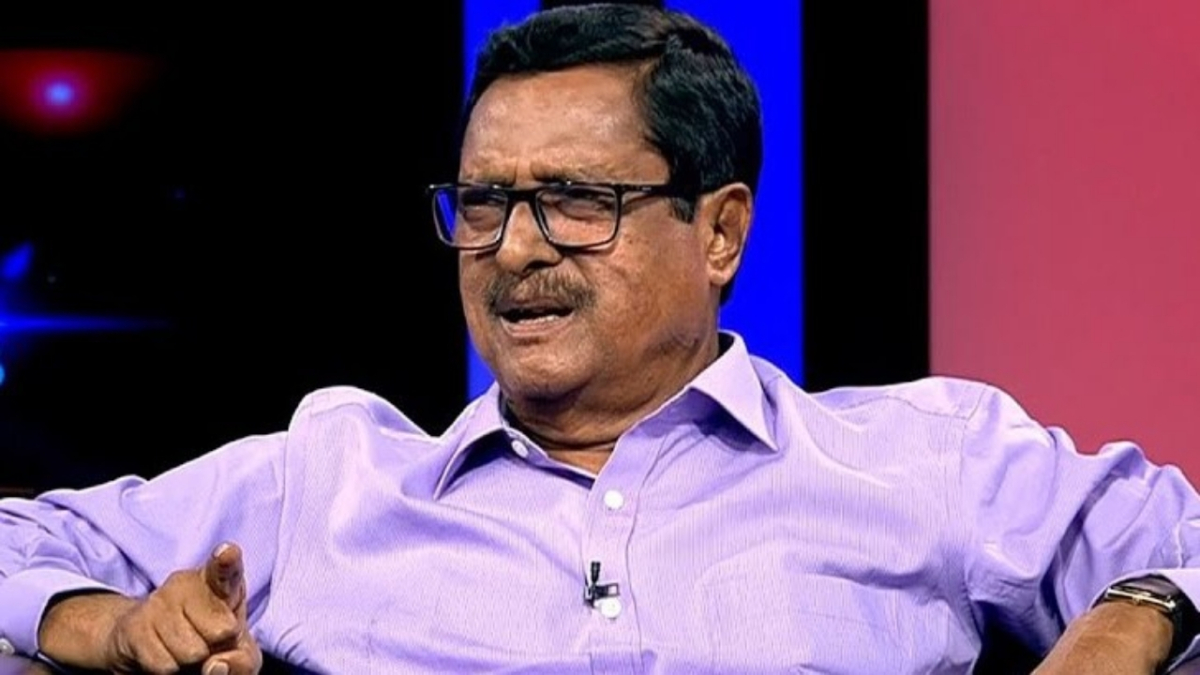
Fazlur Rahman
When veteran freedom fighter Fazlur Rahman stood firm and spoke with visible emotion, his voice carrying both anger and conviction, the atmosphere in the room shifted. He referenced the legacy of Al-Badr, a paramilitary force associated with atrocities during the 1971 Liberation War. Around him were figures connected, directly or by family lineage, to political groups and individuals long debated in Bangladesh over alleged roles during that war. Some had faced convictions in court for crimes against humanity, although political developments later changed the status of certain cases.
His remarks struck a nerve. For many, they reopened unresolved questions about history, accountability, and memory. The speech quickly spread across the country, stirring discussion and, in some quarters, discomfort. It appeared to shake the confidence of those often criticised for their stance on 1971.
There was also a symbolic layer to the moment. Fazlur Rahman spoke from a position shaped by lived experience. Others in the room, despite their political presence, could not claim that same identity. In Bangladesh, the term “freedom fighter” carries deep moral weight. It is not just a label. It represents sacrifice, struggle, and a defining chapter of national history.
The Liberation War of 1971 was not only a conflict against the Pakistani military. It also involved internal divisions, including opposition from certain political groups. That history has been acknowledged in various ways over time, including through parliamentary discussions and legal processes.
Fazlur Rahman also addressed a sensitive issue that had lingered for some time. Questions had been raised about why he had remained silent on a parliamentary condolence motion related to controversial figures. He clarified that he had chosen restraint earlier due to party considerations. Speaking later, he suggested that even if he had stood alone, he would have voiced his objection. In doing so, he placed his personal convictions alongside political realities.
His statement has now entered the official parliamentary record. It reflects a form of protest shaped by both principle and circumstance. There was, too, a personal dimension. Fazlur Rahman mentioned that some members of the opposition had mocked him with dismissive remarks. The Speaker rejected the claim, but he insisted otherwise. Interestingly, what may have been intended as criticism has, for some observers, taken on a different meaning. History shows that it was often individuals seen as uncompromising or even “eccentric” who stood firm during moments of national crisis.
At a time when narratives around 1971 continue to evolve, his words seemed to pull the country back to that defining year. It was a reminder that, for many, the past is not distant. It is present, active, and deeply personal.
And perhaps that is the core message. Figures like Fazlur Rahman still exist. Their memories, their convictions, and their voices continue to shape how Bangladesh understands its own history.
Kobir Ahmed, Editor-in-Chief, Sylhet Today






- Tortoise: A Fascinating Creature of Patience and Longevity
- How Are You Meaning in Bangla – A Simple Guide
- The value of `Mohanagar` stretches far beyond social media hype
- What is Amazon Digital?
- Where is the Super Bowl 2025? Your Ultimate Guide
- The Mournful Day
- How to Become a Blogger: Your Complete Guide
- When is Memorial Day 2024 USA?
- How to Become a Dermatologist: Your Complete Guide
- What is a Verb? A Deep Dive into the Heart of Language