Imran Al mamun
Japan Cheap House Rent 2026 and Affordable Living Opportunities
Japan remains one of the most fascinating countries in the world for international students, workers, travelers, digital nomads, and long term residents.
The country is globally recognized for advanced technology, clean cities, efficient transportation systems, rich culture, safety, and strong economic infrastructure. In 2026, interest in affordable housing in Japan continues growing as more people search for cheap house rent opportunities across different regions of the country.
For many international residents, housing costs are one of the biggest concerns before moving to Japan. While cities like Tokyo and Osaka are often associated with expensive living expenses, the reality is more complex. Japan offers a wide range of affordable housing options depending on location, lifestyle, property type, and regional demand. In many smaller cities and rural regions, cheap house rent opportunities are surprisingly accessible compared to other developed countries.
The Japanese housing market in 2026 reflects major demographic and economic trends. Population decline, aging communities, urban migration, remote work culture, and technological modernization are all influencing rental prices across the country. These changes have created unique opportunities for people searching for low cost housing in Japan.
One of the most important reasons affordable housing exists in Japan is population decline in rural areas. Many younger people move from villages and small towns to large cities for education and employment opportunities. As a result, countless homes in rural and semi urban regions remain empty for long periods.
These empty homes are often called akiya in Japan. Some property owners rent these houses at very low prices simply to avoid maintenance problems and property deterioration. In some areas, local governments even support programs encouraging new residents to move into underpopulated regions.
The concept of affordable Japanese housing surprises many foreigners because Japan is often perceived as extremely expensive. While major urban centers can indeed be costly, many smaller cities offer comfortable lifestyles with relatively low rent prices.
Tokyo remains Japan’s largest and most internationally recognized city. Rental prices in central Tokyo are still high in 2026, especially in business districts and luxury neighborhoods. However, even around Tokyo, cheaper housing options can be found in outer suburban regions connected through efficient train systems.
Many workers and students choose to live outside central Tokyo and commute using Japan’s advanced public transportation network. This approach allows residents to reduce housing expenses significantly while maintaining access to urban job markets and educational institutions.
Osaka is another major city where housing prices vary greatly depending on location. Some suburban areas provide much more affordable rental options compared to central districts. Osaka also remains popular because of its lower living costs compared to Tokyo while still offering strong employment opportunities and urban convenience.
Cities such as Fukuoka, Sapporo, Nagoya, Sendai, and Hiroshima continue attracting people searching for more balanced lifestyles and affordable living conditions. These cities provide modern infrastructure, transportation systems, healthcare facilities, and entertainment while maintaining lower average rent costs than Tokyo.
Rural Japan offers some of the cheapest house rent opportunities in the developed world. Small towns and countryside communities often have low demand for housing because of population decline. In some regions, entire homes are available for monthly rents far below prices seen in major international cities.
Foreign workers, digital nomads, retirees, and remote employees increasingly explore these affordable regions because internet connectivity and remote work flexibility make location less important than before.
Remote work culture has significantly influenced Japan’s housing market in 2026. Before digital work became more common, many people needed to live near corporate offices in large cities. However, remote employment now allows some workers to relocate to quieter and cheaper regions without sacrificing career opportunities.
The Japanese government also promotes regional revitalization programs to encourage migration away from overcrowded urban centers. These initiatives sometimes include financial incentives, housing support, and business assistance for new residents moving to rural areas.
Apartment types in Japan vary greatly depending on budget and lifestyle preferences. Small studio apartments are common in urban areas, especially among students and single workers. These compact living spaces are designed efficiently and often include modern facilities despite limited size.
Shared housing has also become increasingly popular among young people and international residents. Share houses provide lower monthly costs while offering community living experiences. Many share houses include furnished rooms, internet access, kitchens, and common social areas.
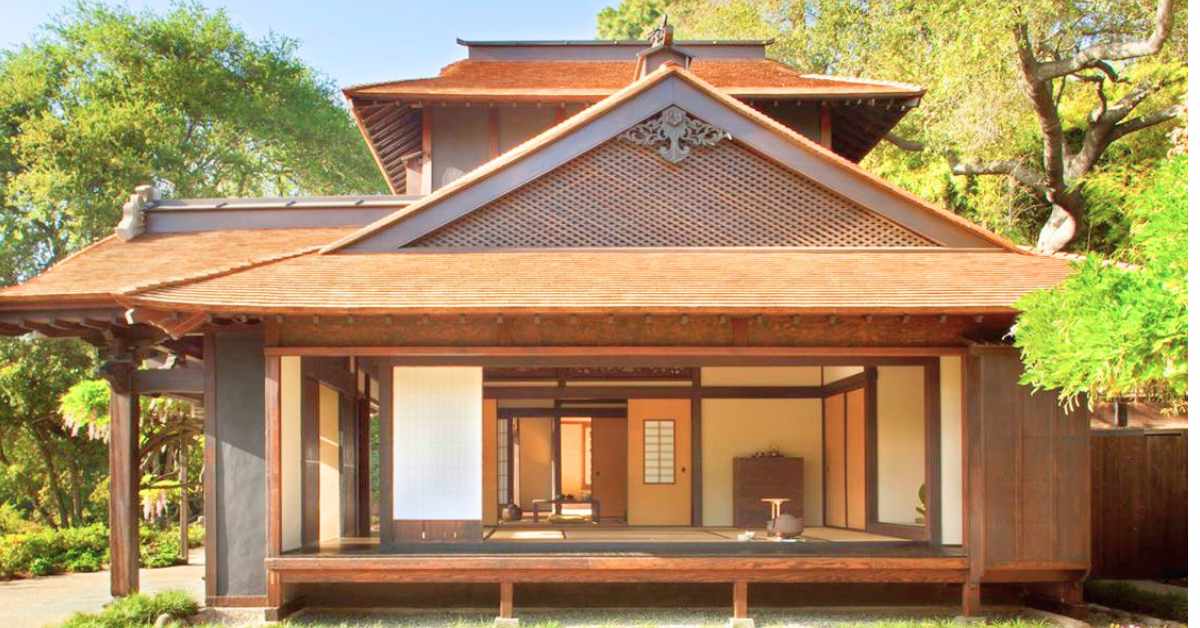
Traditional Japanese homes also attract international interest. Some rental properties feature tatami rooms, sliding doors, and classic Japanese architecture. Living in such homes offers cultural experiences alongside affordable rent opportunities.
Technology plays a major role in the Japanese rental market. Online property platforms, virtual tours, digital contracts, and AI powered recommendations make apartment searching easier than in previous decades. Foreign residents can now search for housing through multilingual digital platforms before even arriving in Japan.
Language barriers still remain a challenge for some international renters. Certain landlords prefer Japanese speaking tenants because of communication concerns and cultural expectations. However, international friendly housing services are increasing throughout Japan.
Real estate agencies specializing in foreign residents continue expanding in 2026. These agencies help international renters navigate contracts, guarantor systems, utility setup, and legal requirements more easily.
The guarantor system remains one of the most unique aspects of Japanese housing culture. Traditionally, renters needed a guarantor who would take responsibility if financial problems occurred. However, guarantor companies now offer services for both local and international tenants.
Another important aspect of renting in Japan is initial move in cost. While monthly rent may appear affordable, initial expenses can sometimes include deposits, agency fees, cleaning costs, and key money payments. Key money is a traditional payment given to landlords as appreciation when moving into a property.
Modern rental trends are slowly reducing some traditional costs. Competition among landlords and declining population pressures encourage more flexible rental conditions in some regions.
Utility costs also influence overall living affordability. Electricity, water, gas, and internet expenses vary depending on property size and region. Energy efficient apartments and smart housing systems help reduce monthly expenses for many renters.
Japan’s transportation system strongly affects housing choices. Train access remains one of the most important factors influencing rental prices. Properties located near train stations often cost more because of commuting convenience.
However, Japan’s transportation network is so efficient that living farther from city centers remains practical for many residents. Fast trains and reliable schedules allow long distance commuting without excessive difficulty.
Safety is another major advantage of living in Japan. The country consistently ranks among the safest nations globally. Many affordable neighborhoods still maintain low crime rates, clean streets, and peaceful environments.
Healthcare infrastructure also contributes to quality of life in Japan. Affordable medical systems, pharmacies, hospitals, and emergency services support residents across both urban and rural regions.
Convenience stores are deeply integrated into Japanese daily life. Even smaller towns often provide access to food, banking services, utility payments, and essential products through convenience store networks operating twenty four hours a day.
Internet infrastructure remains highly advanced throughout Japan. Fast broadband connections support remote work, online education, gaming, and digital business activities even in many non urban regions.
Climate differences also influence housing preferences. Northern regions such as Hokkaido experience cold winters with snow, while southern areas remain warmer throughout the year. Rent prices sometimes reflect climate demand and regional population trends.
Cultural adaptation remains important for international residents living in Japan. Understanding local etiquette, garbage separation systems, quiet neighborhood expectations, and community behavior helps renters integrate smoothly into Japanese society.
Minimalism influences Japanese housing culture significantly. Many apartments are designed efficiently with compact storage solutions and multifunctional spaces. This lifestyle approach often helps residents reduce unnecessary consumption and living costs.
Aging population trends continue shaping the Japanese housing market in 2026. Many elderly homeowners live alone in regions where younger populations have declined. This demographic shift increases the availability of unused housing properties.
Tourism recovery also affects certain rental markets. Popular tourist destinations may experience higher short term accommodation demand, while residential areas remain more affordable for long term renters.
International students continue contributing to housing demand in university cities. Educational institutions attract thousands of students from around the world seeking affordable accommodations near campuses.
Work visas and skilled migration programs also support foreign residency growth in Japan. Technology workers, engineers, language teachers, healthcare professionals, and hospitality workers increasingly choose Japan for employment opportunities.
Sustainability and smart housing technology are becoming more common in Japanese apartments. Energy efficient systems, automated appliances, digital security, and eco friendly building designs improve living standards while reducing utility expenses.
The future of Japan’s affordable housing market may become even more attractive due to ongoing demographic changes and digital work flexibility. Rural revitalization efforts could further expand opportunities for low cost living in scenic and peaceful regions.
Artificial intelligence may also transform property management systems. Smart maintenance monitoring, automated rental processes, and digital tenant services are already becoming more common in urban housing markets.
Financial planning remains important for anyone moving to Japan. Budgeting for rent, transportation, food, healthcare, insurance, and entertainment helps maintain long term financial stability.
Compared to many Western countries, Japan often offers excellent public infrastructure, cleanliness, safety, and transportation quality relative to living expenses. This balance makes affordable Japanese housing increasingly attractive internationally.
In conclusion, cheap house rent opportunities in Japan in 2026 reflect a changing society influenced by demographic trends, remote work culture, technological advancement, and regional revitalization efforts. While major cities like Tokyo remain expensive in certain areas, affordable housing options continue expanding across suburban, rural, and smaller urban regions.
International students, remote workers, digital nomads, retirees, and professionals increasingly explore Japan because of its combination of safety, modern infrastructure, cultural richness, and affordable living possibilities.
The Japanese housing market offers far more diversity than many outsiders expect. From compact city apartments to traditional countryside homes, renters can find options matching different lifestyles and financial situations.
As Japan continues adapting to population decline and digital transformation, affordable housing opportunities may become even more accessible in future years. For many people seeking modern living, cultural experience, and reasonable housing costs, Japan remains one of the most interesting destinations in the world.









- SSC Exam Result check 2026 Bangladesh
- NU Degree Result 2026 Bangladesh: Full Guide
- India Tourist Visa for Bangladeshis Resumes From May 6
- Eid al Fitr 2026 UAE Dates Confirmed and Expected Globally
- Dubai-bound flight catches fire after taking off from Nepal
- Turkey`s homegrown 5th-generation fighter jet named KAAN
- Shihab Chottur reaches Makkah from India in 12 months
- Cleaner Job Circular 2026 Saudi Arabia Latest Hiring Update
- Eid Ul Adha 2023 in Saudi Arabia!
- India gets new parliament building