Imran Al mamun
Uganda Religion Percentage 2026
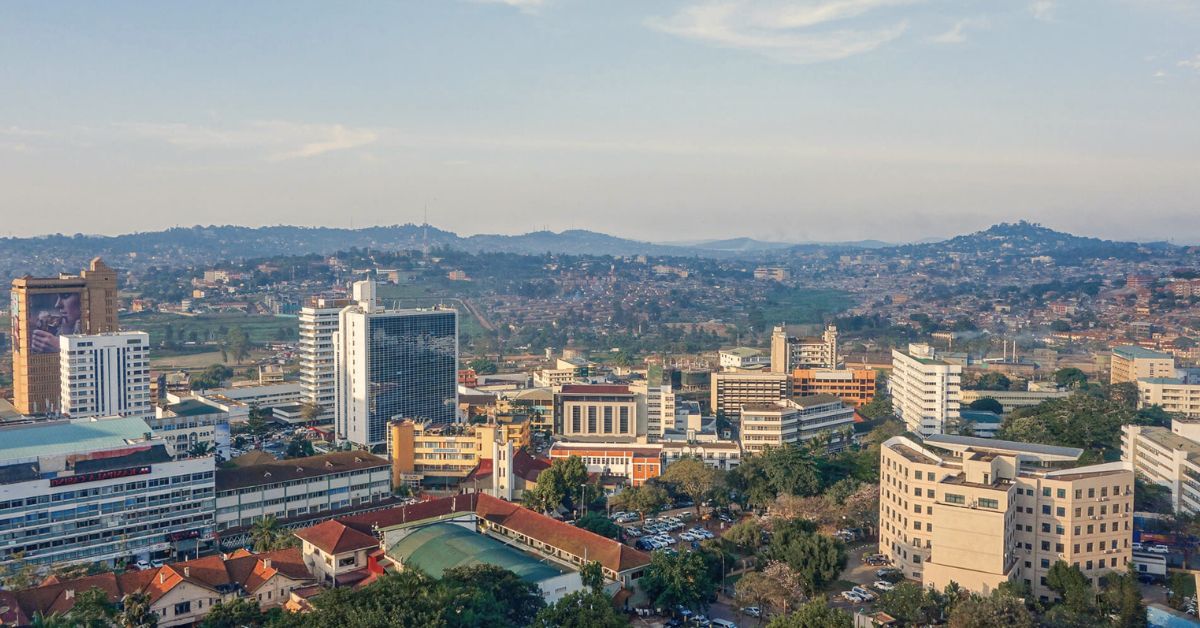
Uganda remains one of the most religious countries in Africa in 2026, with Christianity continuing to dominate the spiritual and cultural identity of the nation. Religion in Uganda is deeply connected to family traditions, education, politics, social values, and everyday life.
From massive church gatherings in Kampala to Friday prayers in eastern Uganda and traditional spiritual ceremonies in rural communities, religion continues to shape the national identity in powerful ways.
Current estimates in 2026 show that Christianity represents the overwhelming majority of Uganda’s population, while Islam remains the largest minority religion. Smaller groups such as Hindus, Baháʼís, Jews, and followers of indigenous African beliefs also contribute to the country’s religious diversity. Uganda’s religious landscape has evolved significantly over the past century due to colonial influence, missionary expansion, population growth, urbanization, and the rise of Pentecostal movements.
According to recent demographic estimates and official census-based references, approximately 82% to 85% of Uganda’s population identifies as Christian in 2026, while Muslims make up around 13% to 14% of the population. Indigenous beliefs and smaller religions account for the remaining percentage. :contentReference[oaicite:0]{index=0}
Christianity remains the largest religion in Uganda by a massive margin. Roman Catholics form the single biggest Christian denomination in the country. Anglican Christians, represented mainly through the Church of Uganda, also make up a major portion of the population. In recent years, Pentecostal and Evangelical churches have experienced rapid growth, especially among younger Ugandans living in urban centers.
Islam continues to hold a strong presence in Uganda, particularly in eastern districts and parts of northern Uganda. Sunni Islam is the dominant branch practiced in the country, although smaller Shia and Ahmadi communities also exist. Uganda’s Muslim population has remained stable and influential in national life, with Muslim institutions playing important roles in business, education, and politics.
The estimated religion percentages in Uganda for 2026 are generally understood as follows:
Christianity: around 82% to 85%
Islam: around 13% to 14%
Traditional African religions: around 1% to 2%
Other religions and non-religious groups: less than 1%
These figures are based on census trends, demographic studies, and updated international estimates published during 2025 and 2026. :contentReference[oaicite:1]{index=1}
Religion in Uganda cannot be understood without looking at the country’s history. Before colonial influence arrived, Ugandan communities practiced indigenous African religions centered around ancestors, spirits, sacred places, and traditional rituals. Different ethnic groups maintained unique spiritual systems tied to kingship, agriculture, healing, and clan identity.
Islam was the first foreign religion to enter Uganda during the nineteenth century through Arab and Swahili traders from the East African coast. Muslim influence expanded rapidly in Buganda and other regions because trade relationships connected Uganda to wider Islamic networks in East Africa.
Christianity arrived later through European missionaries. Protestant missionaries entered Uganda in the late nineteenth century, followed shortly by Catholic missionaries from France. The rivalry between Catholic and Protestant groups became politically influential during the colonial period and shaped Uganda’s modern religious structure. Over time, Christianity spread across nearly every part of the country through schools, hospitals, and missionary work.
Today, Christianity dominates Ugandan public life. Churches are visible in almost every town and village. Sunday worship remains a central activity for millions of Ugandans. Christian holidays such as Christmas, Easter, and Good Friday are nationally recognized celebrations. Many schools, hospitals, and charities are managed by Christian organizations.
Roman Catholicism remains the largest Christian denomination in Uganda. Catholic communities are particularly strong in northern and central Uganda. Catholic institutions have historically played a major role in education and healthcare development. Large cathedrals, mission schools, and seminaries remain influential throughout the country.
Anglican Christianity also has deep roots in Uganda through the Church of Uganda. Anglican influence became strong during British colonial administration because British missionaries worked closely with local rulers and political structures. Anglican churches remain highly influential in national leadership, education, and social services.
One of the biggest religious trends in Uganda over the last two decades has been the rapid rise of Pentecostal and Evangelical Christianity. Young people in urban areas are increasingly attracted to energetic worship styles, gospel music, miracle crusades, and modern church culture. Pentecostal churches often use television, radio, and social media to attract followers, especially in Kampala and other cities.
Religious revival movements have become a major feature of Ugandan Christianity. Large prayer gatherings, overnight worship events, and healing services attract thousands of worshippers every week. Some churches have expanded into massive ministries with national influence. The growth of Pentecostalism is changing the religious balance inside Christianity itself, even though Catholicism and Anglicanism remain dominant overall.
Islam in Uganda continues to maintain a strong identity and historical presence. Muslims represent the largest religious minority in the country. Islamic communities are especially concentrated in eastern Uganda, where districts such as Iganga have historically recorded high Muslim populations. :contentReference[oaicite:2]{index=2}
Ugandan Muslims participate actively in trade, education, and politics. Mosques are common across major cities and towns. Islamic schools and universities have expanded during recent decades, and Muslim organizations continue to contribute to social development programs. Eid al-Fitr and Eid al-Adha are recognized national holidays in Uganda, reflecting the importance of Islam within national life.
Despite religious differences, Uganda is often viewed as a relatively tolerant society compared to some neighboring countries. Christians and Muslims frequently live together peacefully in mixed communities. Interfaith marriages are not uncommon in urban areas, and religious leaders sometimes cooperate on national issues such as poverty reduction, healthcare, and peacebuilding.
Traditional African religions still exist in Uganda, although their numbers are much smaller today than in previous centuries. Many Ugandans who identify as Christians or Muslims still incorporate indigenous spiritual beliefs into their cultural practices. Traditional healers, ancestral rituals, and clan ceremonies remain important in some communities, particularly in rural regions.
Smaller religious groups also exist within Uganda. Hindus mainly belong to Uganda’s South Asian community, while Baháʼís maintain a visible presence through the famous Baháʼí Temple in Kampala. Uganda is also home to the Abayudaya Jewish community, a unique African Jewish population located primarily in eastern Uganda. Though small in number, these minority groups contribute to Uganda’s religious diversity and international cultural identity.
Religion strongly influences politics and governance in Uganda. Political leaders frequently attend church services and religious gatherings during public events. Religious institutions often comment on national issues including corruption, elections, education policy, and morality. Churches and mosques can influence public opinion because religious leaders are widely respected across communities.
Education in Uganda is also closely connected to religion. Many of the country’s top schools were founded by Catholic, Anglican, or Muslim organizations. Religious education remains part of the curriculum in many institutions. Parents often choose schools based on religious identity and moral reputation.
The media landscape in Uganda reflects this religious influence as well. Christian radio stations, gospel television channels, and Islamic media outlets attract large audiences daily. Religious music remains extremely popular, especially gospel music, which dominates many local radio stations and public events.
Population growth is another major factor shaping Uganda’s religious future. Uganda has one of the youngest populations in the world, with a high birth rate compared to global averages. Religious communities with strong family traditions continue to grow rapidly because of this demographic trend. Experts believe Christianity and Islam will both continue expanding numerically over the coming decades due to population growth. :contentReference[oaicite:3]{index=3}
Urbanization is also changing Uganda’s religious dynamics. As more people move from rural areas into cities, newer forms of worship and modern church movements are becoming increasingly influential. Urban churches often focus on youth culture, entrepreneurship, prosperity teachings, and media outreach. This trend has accelerated the growth of Pentecostal ministries among younger generations.
Social media has become a powerful religious tool in Uganda. Churches, pastors, and Islamic scholars now use Facebook, YouTube, TikTok, and WhatsApp to reach followers. Online sermons, livestreamed services, and digital religious communities became especially important after the COVID-19 period and remain influential in 2026.
Religion also affects Uganda’s tourism industry. Pilgrimage sites attract visitors from across Africa and beyond. The Uganda Martyrs Shrine in Namugongo is one of the most important Christian pilgrimage destinations in Africa. Every year, millions of believers gather there to honor Ugandan Christians who were killed in the nineteenth century because of their faith.
Religious charities and faith-based organizations continue to play a major role in humanitarian work. Churches and Islamic organizations provide food support, education programs, orphan care, and healthcare services in many regions where government resources are limited. During times of crisis, religious institutions often become central community support systems.
Although Uganda remains highly religious, some gradual social changes are occurring among younger urban populations. A small number of people identify as non-religious or less connected to organized religion, especially in modern urban environments. However, atheism and secularism remain extremely small compared to religious affiliation overall. Uganda continues to rank among the most faith-oriented societies globally.
International observers often describe Uganda as a Christian-majority country with a strong Islamic minority and deep cultural respect for religion. The balance between these communities has remained relatively stable over the past decade, even as Pentecostal Christianity grows rapidly among youth populations.
Demographic projections suggest that Christianity will remain dominant in Uganda for the foreseeable future. Islam is also expected to continue growing steadily because of population trends and strong community structures. Indigenous beliefs may survive mainly through cultural integration rather than formal religious identification.
The future of religion in Uganda will likely be shaped by education, technology, migration, urbanization, and generational change. However, religion itself is unlikely to lose influence anytime soon. Faith remains central to how millions of Ugandans understand identity, morality, politics, family, and national life.
In 2026, Uganda stands as one of Africa’s clearest examples of a deeply religious society where Christianity forms the overwhelming majority, Islam represents a strong and respected minority, and traditional spiritual heritage still survives beneath modern religious structures. The country’s religious diversity continues to influence every aspect of society, from politics and education to music, media, and everyday community life.
As Uganda’s population grows and modernizes, religion will almost certainly remain one of the country’s defining forces. Whether through packed churches in Kampala, mosque gatherings in eastern Uganda, or traditional ceremonies in rural villages, faith continues to shape the rhythm of Ugandan life in powerful and lasting ways. :contentReference[oaicite:4]{index=4}









- SSC Exam Result check 2026 Bangladesh
- NU Degree Result 2026 Bangladesh: Full Guide
- India Tourist Visa for Bangladeshis Resumes From May 6
- Eid al Fitr 2026 UAE Dates Confirmed and Expected Globally
- Cleaner Job Circular 2026 Saudi Arabia Latest Hiring Update
- Dubai-bound flight catches fire after taking off from Nepal
- Turkey`s homegrown 5th-generation fighter jet named KAAN
- Shihab Chottur reaches Makkah from India in 12 months
- Eid Ul Adha 2023 in Saudi Arabia!
- India gets new parliament building