Imran Al mamun
USA Most Poor City in 2026 and the Real Story Behind Urban Povert
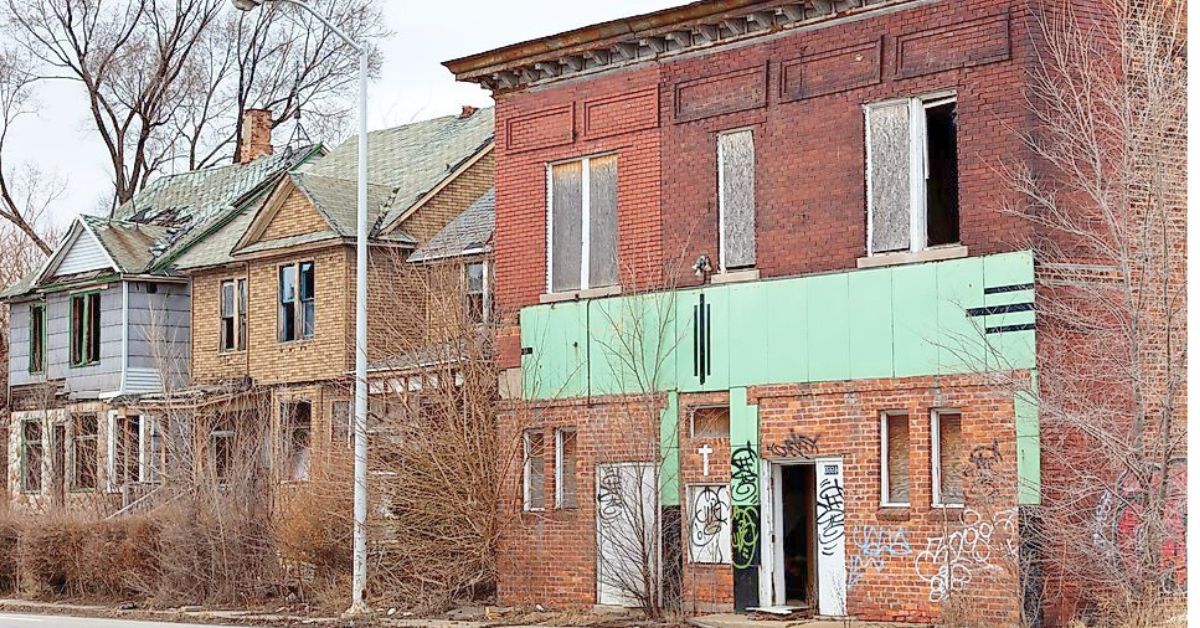
The United States is often viewed as one of the richest and most powerful countries in the world. It is home to global technology giants, luxury lifestyles, massive industries, and some of the world’s wealthiest individuals. Yet behind the skyscrapers, modern infrastructure, and economic strength, many American cities continue to struggle with deep poverty.
In 2026, discussions about the USA most poor city have gained global attention as economists, researchers, journalists, and international readers try to understand why poverty still affects millions of Americans despite the country’s enormous wealth.
Urban poverty in America is not simply about income. It is connected to unemployment, education, housing costs, healthcare access, crime rates, infrastructure decline, and economic inequality. Many cities face long-term struggles caused by industrial collapse, population decline, weak investment, and limited job opportunities.
When people search for the USA most poor city in 2026, they are usually looking for more than statistics. They want to understand the human reality behind the numbers. They want to know how families survive, why certain cities continue to face economic hardship, and whether recovery is possible.
Several American cities continue to rank among the poorest urban areas in the country. However, according to recent economic reports, poverty studies, median household income data, unemployment trends, and living condition indicators, cities such as Detroit, Cleveland, Jackson, and parts of Mississippi and Louisiana frequently appear in discussions about America’s poorest urban areas.
Among them, Jackson in Mississippi and Detroit in Michigan remain two of the most discussed examples when analysts talk about concentrated urban poverty in 2026.
Understanding Poverty in American Cities
Poverty in the United States looks different from poverty in many developing nations. Even in struggling American cities, people may still have access to electricity, internet, schools, and transportation systems. However, economic hardship can still be severe.
Many low-income families struggle to pay rent, afford healthcare, buy nutritious food, or maintain stable employment. Rising inflation and housing costs have increased pressure on working-class communities across the country.
Urban poverty often creates a cycle that becomes difficult to escape. Underfunded schools reduce educational opportunities. Limited education affects future employment. Weak job markets increase crime and homelessness. Declining neighborhoods discourage business investment. Over time, entire communities suffer.
In some American cities, abandoned buildings, shrinking populations, aging infrastructure, and unemployment have become symbols of economic decline.
Why Detroit Still Represents Economic Struggle
Detroit has long been associated with America’s economic challenges. Once known as the center of the automobile industry, the city experienced massive industrial growth during the twentieth century.
At its peak, Detroit represented the American Dream. Factories created thousands of jobs, neighborhoods expanded rapidly, and the city became one of the most important industrial centers in the world.
However, globalization, automation, factory closures, and economic restructuring gradually weakened the local economy. Many manufacturing jobs disappeared or moved overseas. Population decline accelerated. Entire neighborhoods faced abandonment.
Even though Detroit has shown signs of redevelopment in recent years, poverty remains a serious issue in many parts of the city.
In 2026, some districts continue to struggle with unemployment, housing insecurity, underfunded public services, and economic inequality. While downtown redevelopment projects have improved certain areas, not all residents have benefited equally.
Many international observers are surprised to learn that poverty can exist so visibly inside a wealthy nation like the United States.
Jackson Mississippi and the Poverty Crisis
Jackson, Mississippi has become another major symbol of economic hardship in America. The city has faced challenges related to infrastructure, public services, healthcare access, and economic opportunity.
One of the biggest problems affecting Jackson has been aging infrastructure. Water system failures and public utility problems gained international media attention in recent years. These issues exposed how neglected infrastructure can deeply affect daily life.
Economic opportunities in Jackson remain limited for many residents. Poverty rates in several neighborhoods remain high, and many families struggle with low wages and rising living costs.
Education inequality also contributes to long-term poverty. Schools in economically disadvantaged areas often face resource shortages, staffing challenges, and limited educational opportunities.
Despite these struggles, local communities continue to show resilience. Churches, nonprofit organizations, local activists, and community leaders work to support families and improve conditions.
The Role of Housing Costs in Urban Poverty
One major reason poverty continues to grow in some American cities is the rising cost of living.
Housing prices across the United States have increased dramatically over the past decade. Even cities with lower incomes have experienced rent increases.
Many low-income families now spend a large percentage of their income on housing alone. This leaves little money for healthcare, transportation, food, education, or savings.
Homelessness has also become a growing concern in several urban areas. Shelters in some cities operate beyond capacity, while affordable housing remains difficult to find.
For many Americans, financial emergencies such as medical bills, job loss, or rent increases can quickly lead to economic crisis.
Job Market Challenges in Poor American Cities
Employment opportunities play a major role in determining whether cities grow or decline.
Many of America’s poorest cities were once heavily dependent on manufacturing, mining, shipping, or industrial jobs. When those industries weakened, local economies collapsed.
New industries often failed to replace lost jobs quickly enough. As a result, unemployment increased and younger populations moved elsewhere searching for better opportunities.
In 2026, automation and artificial intelligence are also changing the employment landscape. Some traditional jobs continue disappearing while new technology-based industries require advanced skills.
Workers without access to higher education or technical training often struggle to compete in modern labor markets.
Economic inequality grows when wealth concentrates in high-tech urban centers while struggling cities remain disconnected from investment and innovation.
Crime and Poverty Connection
Crime and poverty are closely connected in many urban environments.
Communities facing high unemployment, weak education systems, and limited economic opportunities often experience higher crime rates. While poverty itself does not directly cause crime, economic stress can increase social instability.
In some poor American cities, residents worry about gang violence, theft, drug activity, and public safety.
Fear of crime can discourage tourism, business investment, and neighborhood development. This creates additional economic challenges for already struggling communities.
However, many community organizations continue working to improve local conditions through youth programs, educational support, mentorship, and neighborhood revitalization projects.
Education and the Poverty Cycle
Education remains one of the strongest factors influencing economic mobility in the United States.
Children growing up in poor neighborhoods often attend underfunded schools with fewer educational resources. Teacher shortages, outdated facilities, and limited extracurricular opportunities can affect long-term academic performance.
Without strong educational foundations, students may struggle to access higher-paying careers in the future.
Many experts believe improving public education is essential for reducing urban poverty in America.
Scholarship programs, vocational training, digital learning opportunities, and community investment can help create better economic outcomes for future generations.
Healthcare Inequality in Poor Cities
Healthcare access remains another major challenge for low-income communities.
Many residents in poor American cities delay medical treatment because of cost concerns. Some lack health insurance entirely, while others cannot afford medications or specialist care.
Mental health services are also limited in many economically struggling areas.
Poor healthcare access can worsen poverty because untreated illnesses reduce productivity, increase financial stress, and limit employment opportunities.
Communities facing poverty often experience higher rates of chronic diseases, stress-related conditions, and addiction problems.
Why International Readers Are Interested in America’s Poor Cities
Global audiences are increasingly curious about poverty in the United States because it challenges common assumptions about American life.
Hollywood movies, social media influencers, and global entertainment often present America as a land of wealth and opportunity. However, economic reality can vary dramatically depending on location.
International readers often find it surprising that some American families struggle with homelessness, hunger, unemployment, and inadequate healthcare.
Discussions about the USA most poor city in 2026 also reflect broader global concerns about economic inequality, housing affordability, and the future of urban life.
Many developed countries face similar challenges related to rising living costs, automation, and wealth concentration.
Cities Frequently Mentioned Among America’s Poorest
Several cities continue appearing in economic studies about poverty and low household income levels.
Detroit in Michigan remains one of the most recognized examples because of its industrial decline and long-term economic struggles.
Cleveland in Ohio faces challenges related to unemployment and urban inequality.
Jackson in Mississippi continues struggling with infrastructure and economic limitations.
Newark in New Jersey has neighborhoods dealing with poverty despite being close to wealthy economic regions.
Birmingham in Alabama also appears in discussions about income inequality and urban hardship.
Many smaller towns across Appalachia and the southern United States experience severe poverty as well.
These cities all have unique histories, cultures, and economic conditions, but they share common struggles related to investment, employment, and social inequality.
Can Poor American Cities Recover
Recovery is possible, but it often takes decades of consistent investment and leadership.
Some American cities that once faced severe decline have successfully rebuilt parts of their economies through tourism, technology industries, education, renewable energy, and urban redevelopment.
Pittsburgh is one example of a city that transitioned from industrial collapse toward healthcare, education, and technology sectors.
However, successful recovery requires more than new buildings or luxury developments. Economic growth must benefit local communities rather than only wealthy investors.
Affordable housing, public transportation, education reform, healthcare access, and job creation all play essential roles in long-term recovery.
Community involvement is also critical. Residents who actively participate in rebuilding efforts often create stronger and more sustainable improvements.
The Human Side of Poverty in America
Statistics alone cannot fully explain urban poverty.
Behind every economic report are real families trying to survive difficult circumstances. Parents work multiple jobs to support children. Students dream of better opportunities despite limited resources. Elderly residents struggle with rising costs and healthcare expenses.
Many people living in poor American cities show incredible resilience and determination.
Local artists, teachers, volunteers, small business owners, and activists continue working to improve their communities even during difficult times.
Understanding the human side of poverty is important because it reminds people that economic hardship affects real lives, not just numbers on a chart.
Tourism and Media Attention
Some struggling American cities have attracted tourism interest because of their history, culture, music, architecture, or urban transformation stories.
Detroit, for example, has become known for its music legacy, street art, sports culture, and industrial history.
Visitors interested in urban photography and social documentaries often explore neighborhoods that reflect America’s economic contrasts.
However, experts warn against treating poverty as entertainment. Responsible tourism should respect local communities and support ethical businesses.
Media attention can sometimes help struggling cities attract investment and awareness, but sensational coverage may also reinforce negative stereotypes.
Economic Inequality in 2026
Economic inequality remains one of the defining global issues of 2026.
In the United States, wealth differences between high-income and low-income communities continue growing.
Major cities like New York, San Francisco, and Los Angeles contain both extreme wealth and visible homelessness.
Technology industries and financial markets have created enormous wealth for some groups, while many working-class families continue facing financial pressure.
This growing divide has increased public debate about wages, taxation, healthcare, housing, and economic reform.
Many analysts believe the future stability of American cities will depend on whether governments and communities can reduce inequality while creating sustainable economic opportunities.
The discussion around the USA most poor city in 2026 reveals a deeper story about economic inequality, urban decline, and social resilience.
Cities like Detroit and Jackson symbolize the challenges many American communities continue facing despite living in one of the world’s richest nations.
Poverty in the United States is complex. It is shaped by industrial changes, education systems, healthcare access, housing costs, political decisions, and global economic trends.
At the same time, these cities also demonstrate resilience, culture, creativity, and determination.
Understanding America’s poorest cities helps international readers see a more complete picture of modern American society. Behind the statistics are millions of people working hard to build better futures for themselves and their communities.
As the world continues changing economically and technologically, the future of struggling American cities will remain an important issue not only for the United States but for global discussions about inequality, opportunity, and urban survival.









- SSC Exam Result check 2026 Bangladesh
- NU Degree Result 2026 Bangladesh: Full Guide
- India Tourist Visa for Bangladeshis Resumes From May 6
- Eid al Fitr 2026 UAE Dates Confirmed and Expected Globally
- Cleaner Job Circular 2026 Saudi Arabia Latest Hiring Update
- Dubai-bound flight catches fire after taking off from Nepal
- Turkey`s homegrown 5th-generation fighter jet named KAAN
- Shihab Chottur reaches Makkah from India in 12 months
- Eid Ul Adha 2023 in Saudi Arabia!
- India gets new parliament building