
Hasanat Kamal
UK Closes 11 Asylum Hotels as Government Moves Migrants
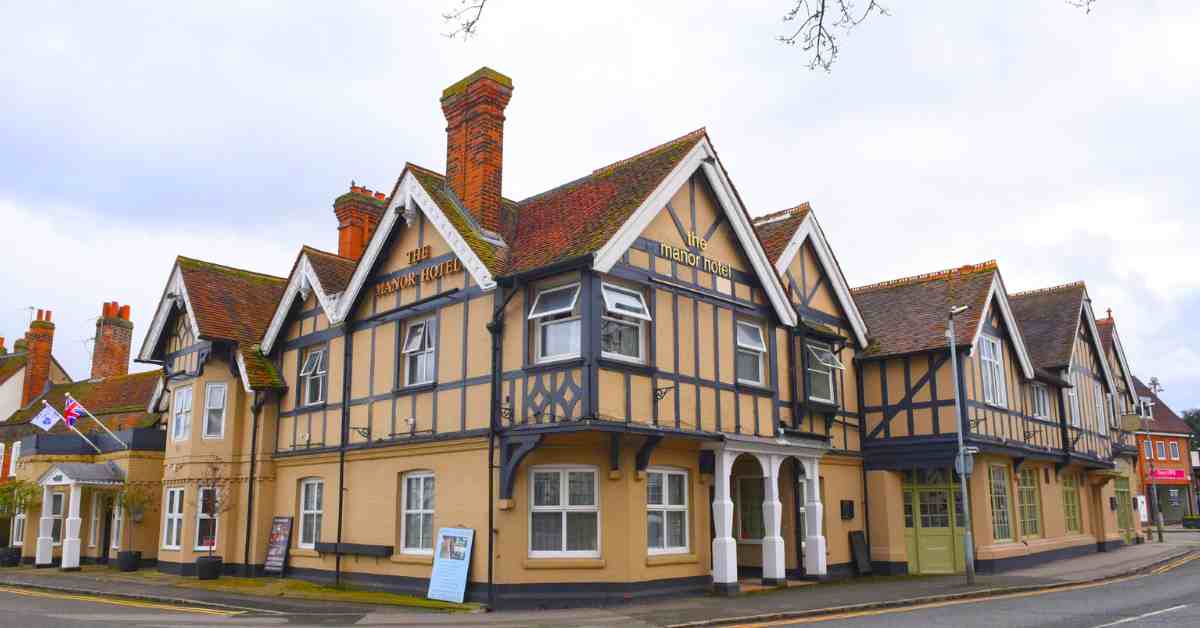
The UK government has closed 11 more hotels previously used to accommodate asylum seekers, marking another step in efforts to phase out hotel based migrant accommodation across the country.
According to recent reports and official updates shared online, the closures span multiple regions across England, Scotland and Northern Ireland. The move is part of a broader government strategy to reduce costs and shift asylum seekers into alternative accommodation, including former military sites and dispersed housing.
The 11 Hotels That Have Closed
The following hotels are reported to have stopped accommodating asylum seekers:
* Banbury House Hotel, Banbury, Oxfordshire
* Marine Court Hotel, Bangor, Ards and North Down
* 15 Citrus Hotel, Cheltenham, Gloucestershire
* Holiday Inn Heathrow, Hillingdon, London
* Britannia Hotel, Wolverhampton
* Madeley Court Hotel, Madeley, Telford and Wrekin
* OYO Lakeside, St Helens, Merseyside
* Crewe Arms Hotel, Crewe, Cheshire East
* Sure Hotel by Best Western, Aberdeen
* The Rock Hotel, Halifax, Calderdale
* Wool Merchant Hotel, Halifax, Calderdale
These closures follow increasing pressure from both local communities and policymakers to reduce reliance on hotels, which have been widely criticised as expensive and unsustainable for long term asylum accommodation.
Government Strategy to Reduce Hotel Use
The UK government has been gradually reducing the number of asylum hotels. At the peak, around 400 hotels were being used across the UK. That number has now fallen to around 185 following recent closures, according to reports.
Officials say the policy is expected to save millions in taxpayer funding. Hotel accommodation for asylum seekers has been significantly more expensive compared to alternative housing options, prompting calls for reform.
Hundreds of asylum seekers are now being relocated to alternative accommodation, including military barracks and shared housing sites. For example, around 350 migrants were recently moved to a military camp in East Sussex as part of the transition plan.
Mixed Reactions Across Communities
The decision has drawn mixed reactions. Supporters argue that returning hotels to local use benefits communities and reduces government spending. Critics, however, say relocating asylum seekers to large scale facilities could create new challenges, including isolation and pressure on local infrastructure.
Migration remains a highly sensitive political issue in the UK. Rising small boat crossings and a growing asylum backlog continue to shape policy decisions and public debate.
Transparency and Long Term Policy
The closures also highlight the government’s longer term goal to end hotel use for asylum seekers before the next general election. However, despite recent closures, thousands of asylum seekers still remain in temporary accommodation across the country.
Experts say long term solutions will depend on faster asylum decisions, improved housing systems, and coordinated migration policy.
For now, the closure of 11 additional asylum hotels signals another step in a wider transformation of the UK’s asylum accommodation system, with further changes expected in the coming months.
Sources: The Guardian









- SSC Exam Result check 2026 Bangladesh
- NU Degree Result 2026 Bangladesh: Full Guide
- India Tourist Visa for Bangladeshis Resumes From May 6
- Eid al Fitr 2026 UAE Dates Confirmed and Expected Globally
- Dubai-bound flight catches fire after taking off from Nepal
- Turkey`s homegrown 5th-generation fighter jet named KAAN
- Shihab Chottur reaches Makkah from India in 12 months
- Cleaner Job Circular 2026 Saudi Arabia Latest Hiring Update
- Eid Ul Adha 2023 in Saudi Arabia!
- India gets new parliament building