Imran
Britain Rethinks the Grind as UK Work Life Balance Trends 2026
On a grey Tuesday morning in Manchester, the commuter train is still full. Coffee cups in hand, laptops tucked under arms, people stare quietly out the windows as terraced houses slide past.
But listen closely to the conversations and something feels slightly different this year. Fewer people are bragging about working late. More are talking about leaving earlier.
Across offices, cafés, and shared workspaces, UK work life balance trends 2026 are beginning to show themselves in small, everyday moments.
For years, long hours were almost worn like a badge of honour. Yet lately, many workers seem less convinced that the constant rush is worth it. Rising rent, higher grocery bills, and stubbornly expensive energy costs have changed how people think about time and money. The traditional rhythm of work is being questioned in ways that feel both practical and deeply personal.
In London, 27-year-old marketing executive Hannah Collins says the shift happened slowly. At first it was just small changes — logging off closer to 5pm, declining meetings that felt unnecessary. But the financial pressure of the past two years pushed things further.
“I realised I was exhausted all the time,” she admits. “If everything is getting more expensive anyway, I’d rather protect my evenings than chase overtime.”
Her story echoes a wider pattern shaping UK work life balance trends 2026, especially among young professionals navigating the country’s ongoing cost-of-living squeeze.
Rent continues to rise in many cities, particularly for those renting alone. Energy bills remain unpredictable. Food prices, while stabilising in some areas, still feel noticeably higher than they did just a few years ago. For working families and graduates alike, the financial strain has quietly altered priorities.
In Birmingham, warehouse supervisor Daniel Patel says flexibility now matters more than promotion.
“Five years ago I was always pushing for extra shifts,” he explains during a lunch break outside a distribution centre. “Now I think about my kids more. If I can finish on time and actually have dinner with them, that’s worth a lot.”
Employers are noticing the shift too. Some firms are experimenting again with hybrid schedules or compressed workweeks, partly to retain staff who increasingly value personal time.
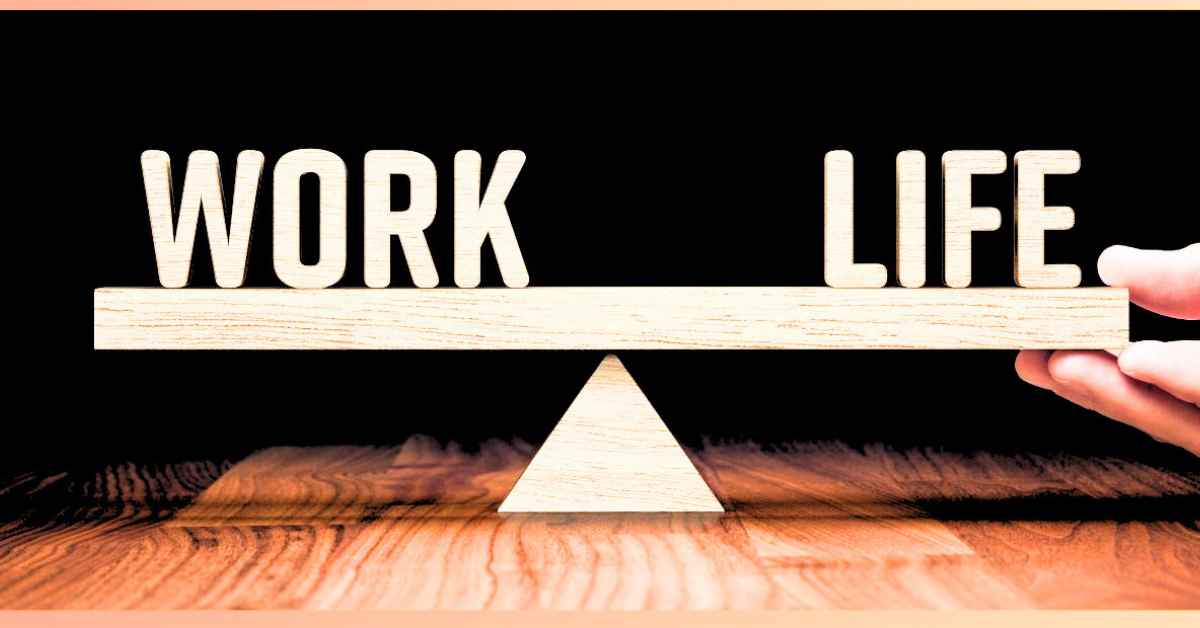
This evolving conversation sits at the heart of UK work life balance trends 2026, where expectations are being renegotiated from both sides. Businesses want productivity and stability. Workers want breathing space.
Yet the picture isn’t entirely straightforward.
For some sectors, especially retail and healthcare, the idea of a better balance can feel distant. Staffing shortages and unpredictable demand still push many employees into longer hours. A nurse in Leeds, who asked not to be named, says the conversation about balance sometimes feels disconnected from frontline reality.
“We hear about flexible working all the time,” she says quietly. “But when the ward is short-staffed, you stay. It’s that simple.”
That tension — between aspiration and reality — is becoming a defining feature of UK work life balance trends 2026.
Students entering the workforce are also approaching work differently. University career advisers report that many graduates now ask about wellbeing policies before salary figures. Remote options, mental health support, and realistic workloads often rank surprisingly high on their priority lists.
It suggests a generational shift may be unfolding, shaped partly by the pandemic years and partly by economic uncertainty that still lingers.
Even so, the future of work in Britain remains uncertain. Some economists believe productivity concerns could eventually pull companies back toward longer hours. Others argue that smarter schedules might actually improve performance.
For now, what’s clear is that UK work life balance trends 2026 are quietly rewriting expectations in workplaces across the country. Not through dramatic policy announcements, but through everyday decisions — leaving the office a little earlier, turning down another late meeting, choosing dinner at home over another night at the desk.
And perhaps that’s how cultural shifts usually begin. Quietly, almost unnoticed, until one day the old way of working simply feels… outdated.
Read More: How AI Changing UK Companies Begins Reshaping Britain’s








- SSC Exam Result check 2026 Bangladesh
- NU Degree Result 2026 Bangladesh: Full Guide
- India Tourist Visa for Bangladeshis Resumes From May 6
- Eid al Fitr 2026 UAE Dates Confirmed and Expected Globally
- Dubai-bound flight catches fire after taking off from Nepal
- Turkey`s homegrown 5th-generation fighter jet named KAAN
- Shihab Chottur reaches Makkah from India in 12 months
- Cleaner Job Circular 2026 Saudi Arabia Latest Hiring Update
- Eid Ul Adha 2023 in Saudi Arabia!
- India gets new parliament building