Imran Al mamun
Pet Insurance in the USA Sees Rapid Growth as Veterinary Costs
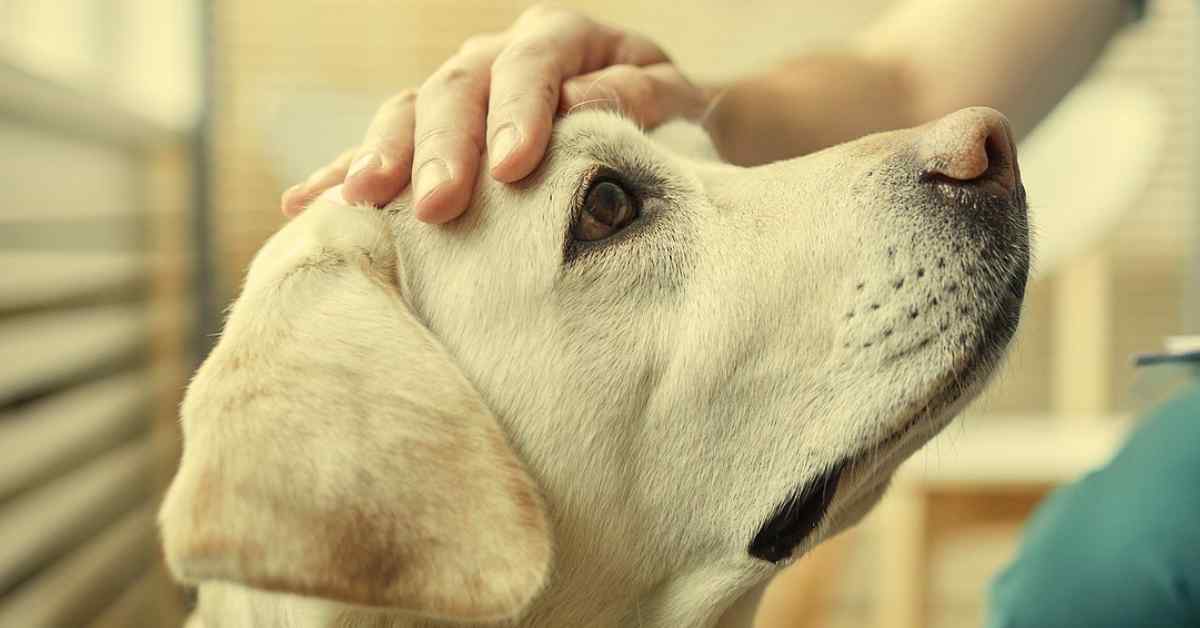
The pet insurance industry in the United States is experiencing significant growth, driven by rising veterinary costs, increased pet ownership, and greater awareness among pet owners about financial protection for their animals. What was once considered a niche financial product is now becoming a mainstream necessity for millions of American households.
According to recent industry reports, the number of insured pets in the U.S. has surged over the past few years. Dogs and cats remain the most commonly insured animals, with policies covering accidents, illnesses, and, in some cases, routine wellness care. Experts say this growth is closely linked to the increasing cost of veterinary treatment, which has risen sharply due to advancements in medical technology and specialized care.
“Veterinary care today is more advanced than ever, but it comes at a cost,” said industry analysts. Procedures such as surgeries, diagnostic imaging, and long-term treatments can run into thousands of dollars, making insurance an attractive option for pet owners seeking financial security.
The COVID-19 pandemic also played a key role in boosting pet ownership across the country. As more people adopted pets for companionship during lockdowns, the demand for pet-related services—including insurance—grew rapidly. Many first-time pet owners are now exploring insurance policies to manage unexpected medical expenses.
Pet insurance policies in the U.S. typically fall into three main categories: accident-only plans, accident and illness plans, and comprehensive plans that include preventive care. Monthly premiums vary based on factors such as the pet’s age, breed, and location, but most plans offer customizable coverage options.
Despite its growing popularity, the industry still faces challenges. One of the primary concerns among consumers is the complexity of policy terms, including deductibles, reimbursement rates, and coverage limits. Some pet owners also hesitate due to the perception that insurance may not provide immediate financial benefits unless a major health issue arises.
However, industry leaders argue that education is key. “Understanding how pet insurance works can help owners make informed decisions,” experts note. “It’s about long-term peace of mind rather than short-term savings.”
Another trend shaping the market is the entry of new providers and digital platforms, making it easier for consumers to compare plans and enroll online. Technology-driven solutions, including mobile apps for claims processing and tele-veterinary services, are further enhancing customer experience.
Looking ahead, analysts predict continued expansion of the U.S. pet insurance market. With veterinary costs expected to rise and pets increasingly viewed as family members, more households are likely to invest in insurance coverage.
As the industry evolves, transparency, affordability, and customer education will be crucial factors in maintaining growth and building trust among pet owners. For now, pet insurance is no longer a luxury—it is fast becoming a standard part of responsible pet ownership in the United States.










- SSC Exam Result check 2026 Bangladesh
- NU Degree Result 2026 Bangladesh: Full Guide
- India Tourist Visa for Bangladeshis Resumes From May 6
- Eid al Fitr 2026 UAE Dates Confirmed and Expected Globally
- Dubai-bound flight catches fire after taking off from Nepal
- Turkey`s homegrown 5th-generation fighter jet named KAAN
- Shihab Chottur reaches Makkah from India in 12 months
- Cleaner Job Circular 2026 Saudi Arabia Latest Hiring Update
- Eid Ul Adha 2023 in Saudi Arabia!
- India gets new parliament building