Imran Al mamun
US Immigration Policy Update: New Changes Signal Shift in Border
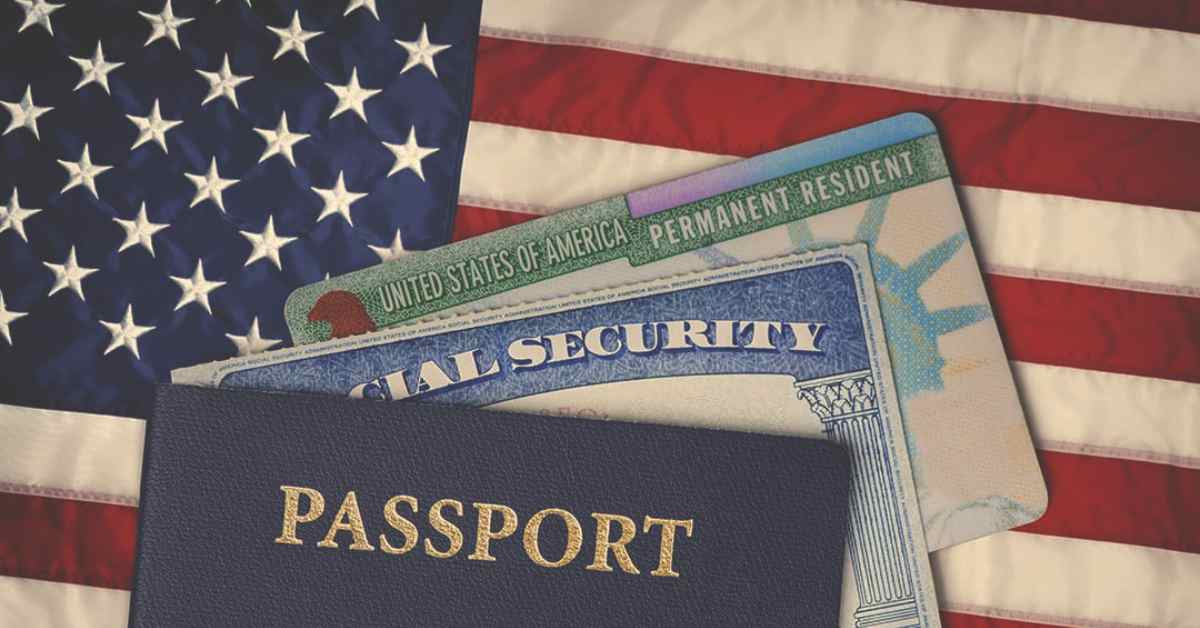
The latest updates to immigration policy in the United States are drawing global attention, as the government introduces a series of reforms aimed at balancing border security, economic needs, and humanitarian responsibilities.
These changes, announced under the administration of Joe Biden, reflect a broader strategy to modernize the immigration system while addressing rising political and social pressures both domestically and internationally.
Stricter Border Enforcement Measures
One of the most significant developments in the new policy update is the tightening of border enforcement. The U.S. Department of Homeland Security has rolled out enhanced surveillance systems along the southern border, including expanded use of AI-powered monitoring and increased deployment of border patrol agents.
Officials say these measures are designed to curb irregular migration and disrupt human trafficking networks. At the same time, critics argue that the tougher stance could limit access for vulnerable asylum seekers who rely on safe entry into the country.
Data released by U.S. Customs and Border Protection indicates a fluctuation in border crossings over recent months, suggesting that enforcement strategies are already influencing migration patterns.
Changes to Asylum Procedures
Another key aspect of the updated policy is the reform of asylum procedures. The government has introduced faster processing timelines to reduce the backlog of cases, which has long been a major issue within the system.
Under the new rules, asylum seekers must meet stricter eligibility criteria and may face accelerated screenings. The aim is to quickly identify valid claims while discouraging misuse of the asylum system.
However, human rights organizations have expressed concerns. Groups such as Amnesty International warn that rapid processing could compromise fairness, particularly for individuals fleeing conflict or persecution who may struggle to gather documentation.
Expansion of Work Visa Programs
In contrast to stricter border policies, the United States is simultaneously expanding certain work visa programs to address labor shortages in key industries. Sectors such as technology, healthcare, and agriculture are expected to benefit from increased visa allocations.
The United States Citizenship and Immigration Services has announced plans to streamline application processes for high-skilled workers, including updates to the H-1B visa system. These changes are intended to attract global talent and strengthen the country’s competitive position in the international market.
Economists note that this dual approach—tightening border control while expanding legal pathways—reflects a pragmatic shift in policy design. It acknowledges the economic realities of labor demand while maintaining political commitments to border security.
Temporary Protected Status and Humanitarian Relief
The administration has also updated its stance on Temporary Protected Status (TPS), offering extended protections for individuals from countries experiencing armed conflict, environmental disasters, or other extraordinary conditions.
Recent announcements include TPS extensions for nationals from countries such as Venezuela and Haiti. These decisions highlight the humanitarian dimension of US immigration policy, even as enforcement measures become more stringent.
Advocacy groups have welcomed these moves, though they continue to push for more permanent solutions for long-term TPS holders who have lived in the United States for years without a clear path to citizenship.
Digital Transformation of Immigration Services
A notable feature of the new policy update is the push toward digital transformation. Immigration authorities are investing in online platforms to handle applications, track case statuses, and reduce processing delays.
According to USCIS, the transition to digital systems is expected to improve efficiency and transparency. Applicants will benefit from faster communication and reduced paperwork, though challenges remain in ensuring accessibility for individuals with limited digital literacy.
Political and Global Implications
Immigration remains one of the most politically sensitive issues in the United States. The latest policy changes come at a time of heightened debate, with lawmakers divided over the best approach to reform.
Supporters of the administration argue that the updates represent a balanced and realistic strategy. Opponents, however, contend that the measures either go too far or not far enough, depending on their political perspective.
Internationally, the policy shift is being closely monitored. Countries with high migration flows to the United States are assessing how the changes may impact their citizens. Analysts suggest that stricter enforcement could lead to increased migration pressures in neighboring regions, while expanded legal pathways may create new opportunities for skilled workers worldwide.
For migrants and their families, the updated immigration policy brings both opportunities and uncertainty. While expanded visa programs offer new possibilities for legal entry, stricter asylum rules and enforcement measures could make the journey more challenging for others.
Legal experts emphasize the importance of staying informed about the evolving regulations. Immigration laws in the United States are complex and subject to frequent changes, making it crucial for applicants to seek accurate and up-to-date information.
The 2026 immigration policy update signals a significant moment in the ongoing evolution of the US immigration system. By combining enforcement with reform, the government aims to address immediate challenges while laying the groundwork for long-term stability.
Whether these changes will achieve their intended goals remains to be seen. Much will depend on implementation, legal challenges, and future political developments.
What is clear, however, is that immigration will continue to be a defining issue—not only for the United States but for the global community as a whole. As nations grapple with shifting demographics, economic demands, and humanitarian crises, the direction taken by US policy is likely to influence immigration debates far beyond its borders.










- SSC Exam Result check 2026 Bangladesh
- NU Degree Result 2026 Bangladesh: Full Guide
- India Tourist Visa for Bangladeshis Resumes From May 6
- Eid al Fitr 2026 UAE Dates Confirmed and Expected Globally
- Dubai-bound flight catches fire after taking off from Nepal
- Turkey`s homegrown 5th-generation fighter jet named KAAN
- Shihab Chottur reaches Makkah from India in 12 months
- Cleaner Job Circular 2026 Saudi Arabia Latest Hiring Update
- Eid Ul Adha 2023 in Saudi Arabia!
- India gets new parliament building