Imran Al mamun
Iran f 35 fighter jet news
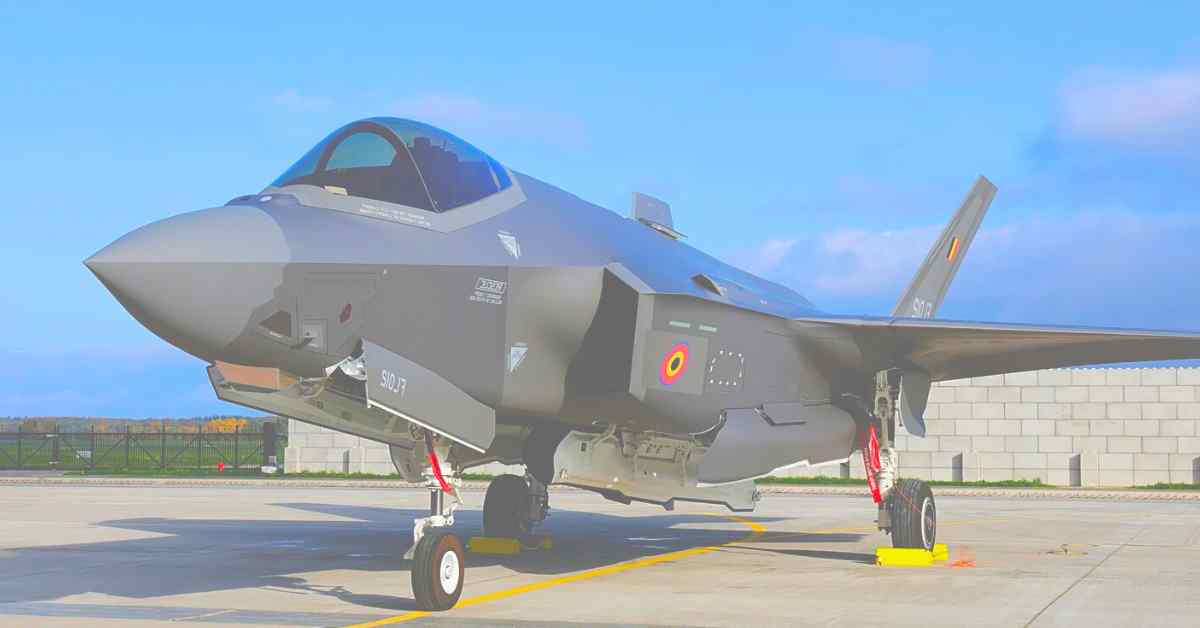
The keyword “Iran F-35 fighter jet” has rapidly gained global attention as new developments unfold in the already fragile security landscape of the Middle East.
From Iran to Saudi Arabia, and from United Arab Emirates to South Asia including Bangladesh and India, audiences are closely watching the situation.
This is not just another military update—it’s a story that could reshape regional power dynamics.
What Happened to the F-35 Fighter Jet?
Recent reports suggest that a U.S. F-35 Lightning II was involved in a high-risk mission in the Middle East. Shortly after, the aircraft reportedly made an emergency landing at a regional base.
While no official confirmation has fully detailed the cause, multiple sources indicate that the jet may have encountered hostile action during operations near Iranian airspace. This has fueled speculation around whether Iran’s defense systems successfully tracked—or even engaged—the advanced stealth aircraft.
Why the F-35 Matters Globally
The F-35 Lightning II is considered one of the most sophisticated fighter jets in modern warfare. Known for its stealth capabilities, advanced sensors, and network-centric combat features, it represents the technological edge of the United States and its allies.
For countries across the Middle East, including Saudi Arabia and the United Arab Emirates, any vulnerability in such a system raises serious security concerns. It may also influence future defense partnerships and military investments.
Iran’s Claims vs Global Skepticism
Authorities in Iran have hinted that their air defense network is capable of detecting and countering stealth aircraft. Some local media narratives even suggest that the F-35 incident is proof of that capability.
However, international analysts urge caution. Past claims regarding advanced interceptions have not always been independently verified. Defense experts from India and observers in Bangladesh are also following developments closely, highlighting the need for verified intelligence before drawing conclusions.
Impact on the Middle East and South Asia
This “Iran F-35 fighter jet” situation carries wide implications:
- Military Strategy Shift: Countries in the Gulf region may reassess their air defense systems.
- Increased Surveillance: Expect tighter airspace monitoring across the Middle East.
- Regional Anxiety: Citizens and policymakers in Saudi Arabia, United Arab Emirates, and neighboring states are already expressing concern.
- South Asian Interest: Nations like India and Bangladesh are watching closely due to geopolitical ties and defense implications.
A Region on Edge
Tensions in the Middle East have been escalating due to ongoing conflicts, proxy wars, and strategic rivalries. The possible involvement of an F-35 jet in a hostile encounter adds a new layer of complexity.
For audiences across the Middle East, this is more than breaking news—it’s a signal of how quickly situations can evolve into larger conflicts.
The “Iran F-35 fighter jet” story is still developing, but its impact is already being felt across continents. Whether this incident proves to be a minor operational issue or a major military breakthrough, one thing is clear:
The balance of power in the Middle East is under intense scrutiny.








- আইয়ুব খানের পদত্যাগের দিন আজ
- টাই পরা বাদ দিয়ে জ্বালানি সাশ্রয় করতে চান স্পেনের প্রধানমন্ত্রী
- যুদ্ধবন্দী কারাগারে বোমা হামলা, পরস্পরকে দোষছে রাশিয়া-ইউক্রেন
- আবারও মক্কায় কালো পাথর স্পর্শ-চুম্বনের সুযোগ পাচ্ছেন মুসল্লিরা
- মাঙ্কিপক্স ঠেকাতে পুরুষদের সেক্স পার্টনার কমানোর পরামর্শ
- ভারতের স্বাধীনতা দিবস শনিবার
- গাজায় অ্যাম্বুলেন্সে হা*মলা, নি হ ত ৯ হাজার ছাড়িয়েছে
- ৫.৫ বিলিয়ন ডলারের মালিক রাকেশ ঝুনঝুনওয়ালা মারা গেছেন
- মালিতে সন্ত্রাসী হামলায় ৪২ সেনার মৃত্যু
- ব্রাজিলের দক্ষিণাঞ্চলীয় রাজ্য হিও গ্রাঞ্জে দো সুলে বনায় ৫৬ জন নি হ ত