Hasanat Kamal
Tofail Ahmed and the Legacy of 1969
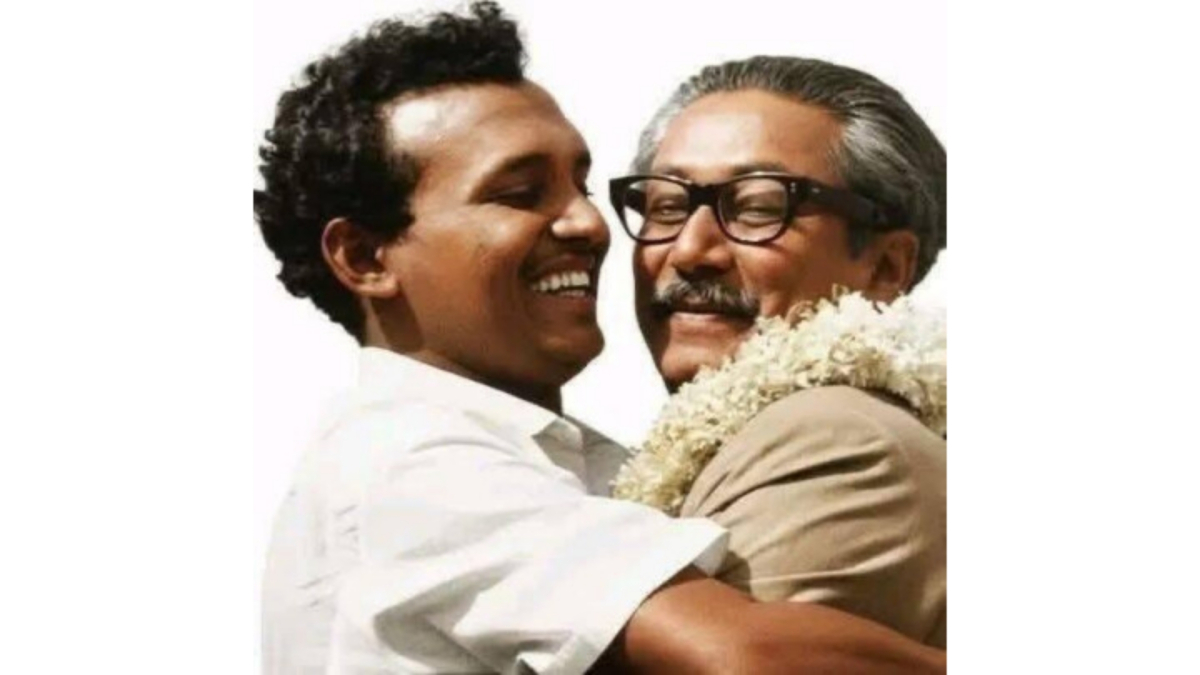
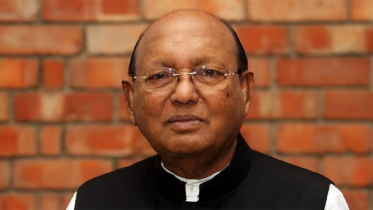
The death of Tofail Ahmed at the age of 82 marks the end of a political journey closely intertwined with some of the defining moments in Bangladesh's modern history. For many Bangladeshis, he was not simply a veteran politician or a long-serving parliamentarian. He was one of the most recognisable faces of the 1969 mass uprising, a student leader whose name became associated with a generation that challenged military rule and helped shape the political course that eventually led to independence.
Born on 22 October 1943 in Koralia village of Bhola's Dighaldi Union, Tofail Ahmed studied Soil Science at the University of Dhaka. His political rise came early. By the late 1960s, he had become one of the most prominent student leaders in East Pakistan and served as Vice-President of the Dhaka University Central Students' Union (DUCSU).
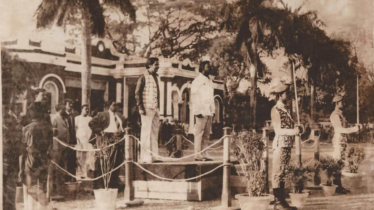
His place in history was cemented on 23 February 1969 at a massive public gathering at the then Racecourse Ground, now Suhrawardy Udyan. It was there that Sheikh Mujibur Rahman was publicly bestowed with the title "Bangabandhu" before an enormous crowd. Tofail Ahmed, then only 26 years old, stood at the centre of a movement that was rapidly reshaping Bengali political consciousness.
The political atmosphere of that period was highly charged. Following Sheikh Mujibur Rahman's arrest in the Agartala Conspiracy Case, protests spread across East Pakistan. Student organisations emerged as a powerful force. Within that environment, Tofail Ahmed became president of the Bangladesh Chhatra League in 1969 and played a visible role in mobilising support for democratic rights and Bengali self-determination.
Accounts from several participants in the independence movement suggest that discussions about preparing for a future armed struggle may have begun before 1971. In an interview published in Bangladesh's War of Independence and RAW and the CIA, Tofail Ahmed recalled that a small group of political organisers, including Sirajul Alam Khan, Sheikh Fazlul Haque Moni and Abdur Razzak, had begun recruiting young activists as early as 1969. According to his recollection, plans were discussed for sending selected recruits for training outside the country should circumstances require a larger struggle.
Historians continue to debate aspects of these preparations. Yet there is broad agreement that student activists played a substantial role in building political networks that later became significant during the Liberation War.
During the 1971 conflict, Tofail Ahmed was associated with the Bangladesh Liberation Force (BLF), commonly known as the Mujib Bahini. The organisation operated alongside other resistance groups and was trained with support from Indian authorities. Contemporary accounts indicate that the force became one of several components of the broader liberation movement that fought against the Pakistani military.
After independence, Tofail Ahmed remained involved in nation-building efforts. He was elected to the Constituent Assembly and contributed to the political process that led to the adoption of Bangladesh's 1972 Constitution. At just 27, he had already become part of the country's emerging leadership.
His parliamentary career would stretch across decades. Elected multiple times to the Jatiya Sangsad, he served in a range of senior political roles, including Minister of Commerce. Supporters often described him as a skilled organiser and an influential figure within the Awami League's political structure.
His life also reflected the turbulence of Bangladesh's post-independence politics. Following the assassination of Sheikh Mujibur Rahman in 1975, Tofail Ahmed spent lengthy periods in prison under subsequent military-backed administrations. Even while incarcerated, he remained active in party politics and continued to occupy leadership positions within the Awami League.
For many of his contemporaries, Tofail Ahmed belonged to a generation that connected the Six-Point Movement, the 1969 uprising, the 1970 election and the Liberation War into a single political narrative. Whether viewed through the lens of student politics, parliamentary democracy or the struggle for independence, his career spanned virtually every major chapter of Bangladesh's modern political history.
His passing comes at a moment when many of the figures who witnessed and shaped the country's founding era are gradually disappearing from public life. As that generation fades, debates about the Liberation War, political leadership and national identity are likely to become even more significant.
Tofail Ahmed's legacy will undoubtedly remain a subject of discussion and differing interpretations. Political figures of his stature rarely escape controversy. Yet few would dispute that he occupied a prominent place in Bangladesh's journey from a province of Pakistan to an independent state.
For those who marched in the streets in 1969, fought in 1971, or experienced the upheavals that followed, Tofail Ahmed represented a chapter of history that cannot easily be separated from the story of Bangladesh itself.
Hasanat Kamal, Editor, Eye News
EN/SA





- বাংলাদেশে শিশু শ্রম: কারণ ও করণীয়
- পনেরো আগস্ট পরবর্তী রাজনৈতিক দ্বন্ধ
মোশতাক বললেও মন্ত্রীদের কেউ সেদিন বঙ্গবন্ধুর লাশের সঙ্গে যায়নি! - ২০২৩ সালে কী সত্যিই ভয়াবহ দুর্ভিক্ষ আসছে?
- করোনা যেভাবে চিকিৎসকদের শ্রেণীচ্যুত করলো
- চতুর্থ শিল্প বিপ্লবের সমস্যা এবং সম্ভাবনা
- ফিলিস্তিনে প্রাণ হারাচ্ছেন গুরুত্বপূর্ণ সাংস্কৃতিক ব্যক্তিত্বরা
- ঢাকা দক্ষিণ সিটি কর্পোরেশনের কুকুর স্থানান্তরকরণ ও ভবিষ্যৎ
- শরীফার গল্প পড়তে আমাদের এতো কেন সমস্যা?
- মহান মুক্তিযুদ্ধে বিদেশী গণমাধ্যমের ভূমিকা
- রেমডেসিভির একটি অপ্রমাণিত ট্রায়াল ড্রাগ