Imran Al mamun
American Student Assistance 2026 Guide to Loan Forgiveness, Login
The landscape of education finance and career preparation has undergone a seismic shift as we navigate through 2026. At the center of this transformation is American student assistance, historically recognized as one of the nation's premier guarantors of federal student loans.
However, the organization's trajectory over the past few years represents a radical departure from traditional debt collection and financial administration. As of early 2026, American Student Assistance officially rebranded as Britebound, marking the culmination of a multi-year pivot away from student debt and toward proactive career education, youth empowerment, and digital skill-building platforms like EvolveMe.
This pivot directly addresses the growing crisis of student debt and the changing preferences of Generation Z and Generation Alpha, who are increasingly skeptical of the return on investment of a traditional four-year college degree.
Despite this forward-looking rebrand, millions of borrowers worldwide still hold legacy debt tied to the organization. People are actively searching for the American Student Assistance login portal, the American student assistance phone number, and pathways to American student Assistance loan forgiveness.
Understanding how to manage these legacy loans while simultaneously leveraging the organization's new career tools is critical. This comprehensive feature breaks down the past, present, and future of the organization, exploring the economic impact of its policy shifts, the realities of resolving old student loans, and how its new identity is reshaping global education pathways.
BACKGROUND AND HISTORICAL CONTEXT OF THE ORGANIZATION
For decades, the name American Student Assistance was synonymous with the Federal Family Education Loan Program, commonly known as FFELP. Operating as a nonprofit guarantor, the organization served as a crucial intermediary between the federal government, private lending institutions, and college students.
If a borrower defaulted on their federal student loan, the guarantor would reimburse the lender and then take on the responsibility of collecting the debt. This system fueled the massive expansion of higher education access throughout the late 20th and early 21st centuries.
However, the student loan industry faced a structural reckoning in 2010 when the federal government passed the Student Aid and Fiscal Responsibility Act. This legislation eliminated the guaranteed loan program in favor of Direct Loans issued by the United States Department of Education.
Overnight, guarantors were forced to reevaluate their business models. Instead of originating new guarantees, they were left to service and collect on billions of dollars in existing legacy portfolios.
Rather than slowly winding down its operations, American Student Assistance made a strategic decision to redirect its massive financial reserves and institutional knowledge toward preventing the very debt crises it used to manage. The leadership realized that the root cause of the student debt crisis was not just high tuition, but a fundamental lack of career education.
Students were borrowing tens of thousands of dollars without a clear understanding of their career prospects, salary potential, or alternative educational pathways. This realization sparked the transition from a loan-focused entity to an education-technology innovator.
THE 2026 REBRAND AND THE LAUNCH OF BRITEBOUND
In January 2026, the organization made headlines across the education and financial sectors by officially rebranding as Britebound. The American Student Assistance logo, which for years featured a traditional academic and financial aesthetic, was retired in favor of a modern, forward-looking visual identity designed to resonate with middle and high school students. This rebranding was not merely cosmetic; it signaled the complete transformation of the corporate mission.
Britebound, formerly American Student Assistance, now focuses entirely on empowering young people to explore career paths before they commit to expensive postsecondary education. The organization has poured millions of dollars into developing free digital-first experiences.
These platforms aim to level the playing field, ensuring that equitable access to career readiness learning starts in middle school. The strategic appointment of new board members with backgrounds in gaming, education technology, and social impact investing in late 2025 further solidified this digital-first approach.
The shift comes at a critical time in the global economy. By 2026, surveys funded by the organization revealed that over seventy percent of teenagers and their parents were open to trade schools, apprenticeships, and non-degree pathways, largely due to the declining perceived value of a traditional college degree and the looming threat of insurmountable student debt.
NAVIGATING LEGACY AMERICAN STUDENT ASSISTANCE STUDENT LOANS
While the corporate entity has moved on to career exploration, the reality for countless adults is that American Student Assistance student loans still exist on their credit reports. Because the organization no longer directly handles the day-to-day servicing of these old federal loans, borrowers often experience confusion when trying to manage their accounts.
In recent years, the organization partnered with the Educational Credit Management Corporation, widely known as ECMC, to act as its authorized agent. ECMC now provides the administrative and customer service support for borrowers with legacy FFELP loans guaranteed by the original organization.
If you are a borrower trying to find the American Student Assistance login, you will no longer find a direct payment portal on their main corporate site. Instead, borrowers must navigate to the dedicated borrower access portal managed by ECMC.
This transition has been a source of frustration for some, as web searches for the old portals often redirect to the new Britebound educational content rather than the financial payment gateways.
For those needing direct contact, the official American student assistance phone number for legacy loan servicing is managed by ECMC customer support, typically reachable toll-free at 833-896-1626 or 800-298-9490. It is vital for borrowers to use these specific channels rather than contacting the corporate headquarters of Britebound, as the new staff are entirely focused on youth career programs and do not have access to financial loan databases.
THE PURSUIT OF AMERICAN STUDENT ASSISTANCE LOAN FORGIVENESS
The concept of loan forgiveness remains one of the most highly searched and fiercely debated topics in 2026. Borrowers holding legacy FFELP loans face a unique set of challenges compared to those with modern Direct Federal Loans.
American student Assistance loan forgiveness is not granted directly by the organization itself. Because they operated as a guarantor under federal guidelines, any forgiveness, cancellation, or discharge must align with Department of Education regulations.
Throughout the turbulence of the early 2020s, which included pandemic-era payment pauses, the blocked widespread forgiveness plans by the Supreme Court in 2023, and the resumption of wage garnishments in 2025, FFELP borrowers frequently found themselves caught in bureaucratic gray areas.
To qualify for programs like Public Service Loan Forgiveness or the updated Income-Driven Repayment plans, many borrowers holding these legacy loans were required to consolidate them into a Direct Consolidation Loan.
Once consolidated, the debt moved out of the guarantor's portfolio and directly to a federal servicer. Borrowers who attended predatory for-profit institutions and applied for Borrower Defense to Repayment also had to navigate complex federal channels rather than seeking direct relief from the guarantor.
It is crucial for borrowers to consult with the Federal Student Aid office or legitimate, non-profit student loan advocates to understand their eligibility. Scams remain rampant in 2026, with third-party companies falsely promising immediate American student Assistance loan forgiveness in exchange for exorbitant upfront fees. These predatory companies exploit the confusion surrounding the organization's rebrand and the complexity of legacy FFELP loans.
LEGAL CHALLENGES AND THE AMERICAN STUDENT ASSISTANCE LAWSUIT LANDSCAPE
Managing a multi-billion dollar portfolio of defaulted debt inherently invites legal scrutiny, and the history of the organization includes various legal entanglements. Searches for an American Student Assistance lawsuit often yield a mix of consumer complaints, historical breach of contract cases, and broader state-led actions against the student loan industry.
One notable historical example is the Dorfman case, a complex legal battle stretching back to the early 2010s. In this case, a borrower sued the organization and its affiliates over disputes regarding loan forbearance, capitalization of unpaid interest, and alleged misallocation of payments.
While the courts frequently ruled in favor of the guarantors, confirming their legal right to collect on validly assigned promissory notes, such cases highlight the deep frustration and administrative complexities borrowers face when dealing with compounding student debt.
More recently, consumer protection agencies and the Better Business Bureau have logged complaints from individuals regarding credit reporting errors. For instance, in early 2026, complaints surfaced from borrowers alleging that the organization was falsely reporting their student loans as delinquent on their credit reports after the loans had supposedly been transferred to other servicers like Aidvantage. In these instances, ECMC, acting on behalf of the guarantor, has had to step in to investigate and resolve the billing and reporting discrepancies.
Furthermore, state attorneys general have continuously scrutinized the broader ecosystem of student loan servicing. While the guarantor itself shifted away from direct servicing, the legacy system it was part of has been heavily criticized for failing to provide borrowers with accurate information about their repayment options, leading to unnecessary defaults and wage garnishments.
THE SHIFT TO EDUCATION: EVOLVEME AND THE AMERICAN STUDENT ASSISTANCE QUIZ
Leaving the world of debt collection behind, the newly rebranded Britebound has introduced a suite of innovative digital tools. The flagship product in this new era is EvolveMe, a free career experimentation and skill-building platform tailored for teenagers.
A core component of this platform is the highly popular American student assistance quiz, often integrated into their Futurescape experience. This interactive, AI-powered assessment moves far beyond traditional, static career aptitude tests. By utilizing advanced algorithms and gamified interfaces, the quiz helps students map their personal interests, strengths, and personality traits to emerging career fields.
In 2026, these tools are more relevant than ever. The platform offers career readiness tasks that allow young people to virtually test and try different professions. By completing these micro-tasks, students can earn rewards, build professional networks, and gain real-world insights into industries ranging from renewable energy to artificial intelligence.
The organization's strategy is clear: by engaging students in middle and high school, they can prevent the uninformed educational investments that historically led to the very student loan defaults the company used to manage. This preventative approach is supported by strategic partnerships with major youth-serving nonprofits and the distribution of millions of dollars in grants to expand career-based education nationwide.
AMERICAN STUDENT ASSISTANCE CAREERS AND ORGANIZATIONAL CULTURE
The transformation of the business model has also revolutionized American Student Assistance careers. The internal workforce has transitioned from loan officers, compliance specialists, and debt collectors to software developers, educational technologists, data scientists, and youth advocates.
Working at the newly rebranded Britebound in 2026 requires a deep commitment to social impact and technological innovation. The organization actively recruits talent capable of building AI-powered virtual roadtrips, designing engaging user interfaces for adolescents, and analyzing massive datasets to predict future workforce trends.
The corporate culture has been widely recognized for its dedication to youth empowerment, recently winning the Anthem Award for Youth Career Readiness Work in late 2025. Leadership transitions, including the appointment of visionary executives and diverse board members, have further cemented the organization's reputation as a dynamic, forward-thinking employer in the nonprofit sector. Employees are driven by the mission to rebuild the first rung of the opportunity ladder, ensuring that all students, regardless of their socioeconomic background, have the tools to succeed in the modern economy.
ECONOMIC IMPACT AND MARKET ANALYSIS IN 2026
The economic implications of student debt and the shift toward alternative career pathways are profound in 2026. The resumption of wage garnishments in 2025 by the Department of Education for defaulted borrowers served as a stark reminder of the inescapable nature of federal student loans. Millions of workers saw their take-home pay reduced, tightening consumer spending and impacting the broader macroeconomy.
Against this backdrop, the data produced by the organization's research arm has become essential reading for policymakers and economists. Their 2026 studies reveal a significant shift in public sentiment. With the cost of a traditional four-year college degree continuing to outpace wage growth, a system of broken promises has left millions of young adults underemployed.
The market impact is a surge in demand for trade schools, apprenticeships, and accelerated certification programs. Employers are increasingly dropping degree requirements in favor of skills-based hiring. The organization's efforts to destigmatize non-degree pathways are directly aligning with corporate America's desperate need for skilled labor in sectors like manufacturing, healthcare technology, and green energy. By steering students toward these high-demand, high-paying fields without the burden of massive debt, the organization is actively contributing to a more resilient and dynamic workforce.
COMPARISON WITH GLOBAL EDUCATION SYSTEMS
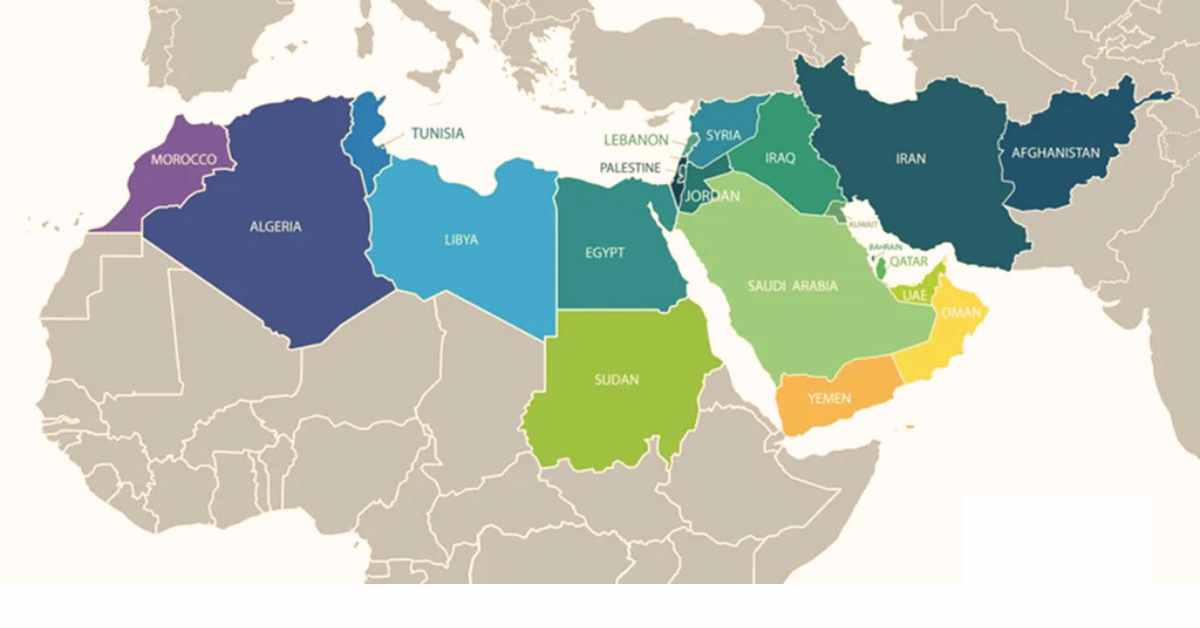
When examining the target region of the globe, the American system of financing higher education stands in stark contrast to many international models. In many European nations, higher education is heavily subsidized or entirely free, resulting in a population that enters the workforce without the crippling burden of student debt.
The historical model of the American student assistance guarantor was uniquely American—a complex public-private partnership designed to underwrite financial risk in a system where education is treated as a consumer product. As the United States grapples with the fallout of this system, international observers are closely watching the pivot toward early career intervention.
Countries with strong apprenticeship traditions, such as Germany and Switzerland, have long utilized models similar to what Britebound is now championing in the U.S. By integrating career exploration and vocational training directly into the secondary school curriculum, these countries maintain low youth unemployment and strong industrial sectors. The 2026 initiatives of the organization represent a concerted effort to adapt these successful global practices to the American educational landscape, fostering a cultural shift that values skills and readiness over institutional prestige.
RISKS, SCAMS, AND HIDDEN CHALLENGES
Despite the positive trajectory of the organization's educational initiatives, the legacy of student debt continues to breed risks and challenges. The most prominent risk in 2026 is the proliferation of predatory debt relief scams.
Malicious actors constantly monitor the internet for individuals searching for an American student Assistance loan forgiveness program. These scammers create sophisticated websites and aggressive telemarketing campaigns, posing as official representatives of the organization or the federal government. They promise immediate debt cancellation or drastically reduced payments in exchange for upfront processing fees, which is entirely illegal.
Borrowers must remain vigilant. The genuine organization, now operating as Britebound, will never cold-call a borrower demanding payment or offering a paid forgiveness service. All official legacy loan servicing is handled by ECMC, and all federal forgiveness programs are completely free to apply for through the official Department of Education portals.
Another hidden challenge is the complexity of credit reporting. As loans are transferred between federal servicers, guarantors, and collection agencies, the risk of administrative errors multiplies. Borrowers must routinely check their credit reports to ensure that old, paid-off, or consolidated FFELP loans are not still being reported as active or delinquent, as seen in recent Better Business Bureau complaints.
FUTURE PREDICTIONS: 2026 TO 2032
Looking ahead to the next decade, the trajectory of the organization and the broader educational landscape suggests several key developments.
First, the legacy FFELP loan portfolio will continue to shrink. As borrowers age, consolidate their debt into Direct Loans, or eventually pay off their balances, the need for ECMC's servicing of these specific guaranteed loans will diminish. By 2032, the financial footprint of the original guarantor model will be largely historical.
Second, the Britebound brand will likely become a dominant force in the global ed-tech market. The AI-powered platforms they are developing today will evolve into highly sophisticated, immersive virtual reality experiences. Middle school students in 2032 will likely use these tools to virtually step into a day in the life of a bioengineer or a robotics technician, receiving real-time mentorship from AI avatars.
Third, the cultural shift away from the "college-for-all" mentality will solidify. Driven by the continuous research and advocacy of organizations like this one, policy changes will likely increase federal and state funding for vocational training, digital boot camps, and work-based learning programs. The definition of a successful postsecondary transition will be redefined, focusing on economic stability and career satisfaction rather than the mere acquisition of a degree.
EXPERT INSIGHTS ON THE TRANSITION
Financial and educational experts have closely monitored this institutional pivot. Dr. Aris Thorne, a leading higher education economist, notes, The evolution of this organization is the most perfect microcosm of the American education crisis. They saw firsthand the catastrophic failure of underwriting endless debt for undefined career goals. Their pivot to preventative career education isn't just a rebrand; it is a moral and economic imperative. They are attempting to fix the leak rather than just mopping up the floor.
Similarly, youth workforce advocates praise the shift. For too long, we asked seventeen-year-olds to sign away their financial futures with zero context of what the job market actually looks like, says Marcus Lin, director of a national vocational policy institute. The tools being deployed now, like the interactive career assessments and micro-internships, are fundamentally rewriting the roadmap. It gives students the agency to test and try careers in a risk-free digital environment before they take on real-world financial risk.
FREQUENTLY ASKED QUESTIONS
WHAT HAPPENED TO AMERICAN STUDENT ASSISTANCE?
In early 2026, the organization officially rebranded as Britebound. It completely transitioned away from its historical role as a student loan guarantor to focus exclusively on providing free digital career exploration and readiness platforms for middle and high school students.
WHERE IS THE AMERICAN STUDENT ASSISTANCE LOGIN FOR MY LOANS?
Because the organization no longer directly services loans, there is no payment login on their main corporate website. Borrowers with legacy loans guaranteed by the organization must manage their accounts through ECMC, their authorized servicing agent.
WHAT IS THE AMERICAN STUDENT ASSISTANCE PHONE NUMBER FOR LOAN HELP?
To get help with legacy guaranteed federal loans, you must contact ECMC customer service. The toll-free numbers are 833-896-1626 or 800-298-9490. Do not contact the Britebound corporate office, as they cannot access your financial records.
DOES THE ORGANIZATION OFFER DIRECT LOAN FORGIVENESS?
No. As a former guarantor, they do not have the authority to unilaterally forgive federal student loans. Any forgiveness must go through official Department of Education programs, such as Public Service Loan Forgiveness or Income-Driven Repayment, which often require consolidating legacy FFELP loans into Direct Federal Loans first.
WHAT IS THE AMERICAN STUDENT ASSISTANCE QUIZ?
It is a highly popular, AI-driven career assessment tool, now integrated into the EvolveMe and Futurescape platforms. It helps students identify their strengths and match them with potential career paths and educational requirements, moving beyond traditional multiple-choice aptitude tests.
IS THERE AN ONGOING AMERICAN STUDENT ASSISTANCE LAWSUIT?
While the organization has faced historical lawsuits regarding loan servicing practices and contract disputes (such as the Dorfman case), and occasionally receives consumer complaints about credit reporting errors, there is no single massive class-action lawsuit currently shutting down the organization. Most disputes regarding legacy loans are now handled through ECMC and federal ombudsman channels.
HOW HAS THE AMERICAN STUDENT ASSISTANCE LOGO CHANGED?
With the 2026 rebrand to Britebound, the old logo, which reflected a traditional financial and academic institution, was completely retired. The new visual identity is modern, vibrant, and designed to appeal directly to Generation Z and Generation Alpha digital natives.
ARE THERE AMERICAN STUDENT ASSISTANCE CAREERS AVAILABLE TODAY?
Yes, but under the new Britebound brand, the career opportunities are drastically different. They are heavily focused on the technology and non-profit education sectors, hiring software engineers, AI specialists, data analysts, and youth development experts rather than debt collectors or loan processing agents.
HOW DO I RESOLVE A FALSE DELINQUENCY ON MY CREDIT REPORT FROM THEM?
If your credit report falsely shows a delinquency from the organization, especially after a loan transfer to a servicer like Aidvantage, you must file a formal dispute with the credit bureaus and contact ECMC to rectify the reporting error. Keep all documentation of your enrollment and payment history with your current servicer.
WHY ARE SO MANY PARENTS AND TEENS CHOOSING TRADE SCHOOLS IN 2026?
According to extensive research published by the organization, over 70 percent of teens and a growing number of parents recognize that the return on investment for traditional college has diminished. Rising tuition costs, stagnant entry-level wages, and the historical burden of student debt have made high-paying, high-demand skilled trades and alternative certifications much more attractive.
The story of American student assistance is a testament to the necessary evolution of the higher education economy. The transition from managing the fallout of the student debt crisis to proactively preventing it through innovative career education marks a watershed moment in 2026. As the newly minted Britebound, the organization is actively dismantling the outdated assumption that a four-year degree is the only path to prosperity.
For the millions of adults still navigating the complexities of legacy student loans, the path requires patience, vigilance against scams, and a clear understanding of the bureaucratic channels managed by ECMC. However, for the next generation of students, the legacy of American student assistance will not be defined by monthly payment statements or compounding interest. Instead, it will be defined by empowering digital platforms, insightful career quizzes, and the freedom to explore their futures without the immediate threat of financial ruin. The ultimate impact of this transformation will ripple through the global economy for decades, fostering a workforce that is not just educated, but genuinely prepared for the realities of the modern world.









- Dubai-bound flight catches fire after taking off from Nepal
- Turkey`s homegrown 5th-generation fighter jet named KAAN
- Shihab Chottur reaches Makkah from India in 12 months
- Eid Ul Adha 2023 in Saudi Arabia!
- India gets new parliament building
- Italy will take 82 thousand workers, the is in March
- New digital ID scheme to be rolled out across UK
- Two Sylheti killed in Portugal
- World`s first 3D-printed mosque to be constructed in Dubai
- South Asia on the Brink: How Climate Change is Fueling Crisis