Imran Al mamun
International May Day 2026 Meaning History
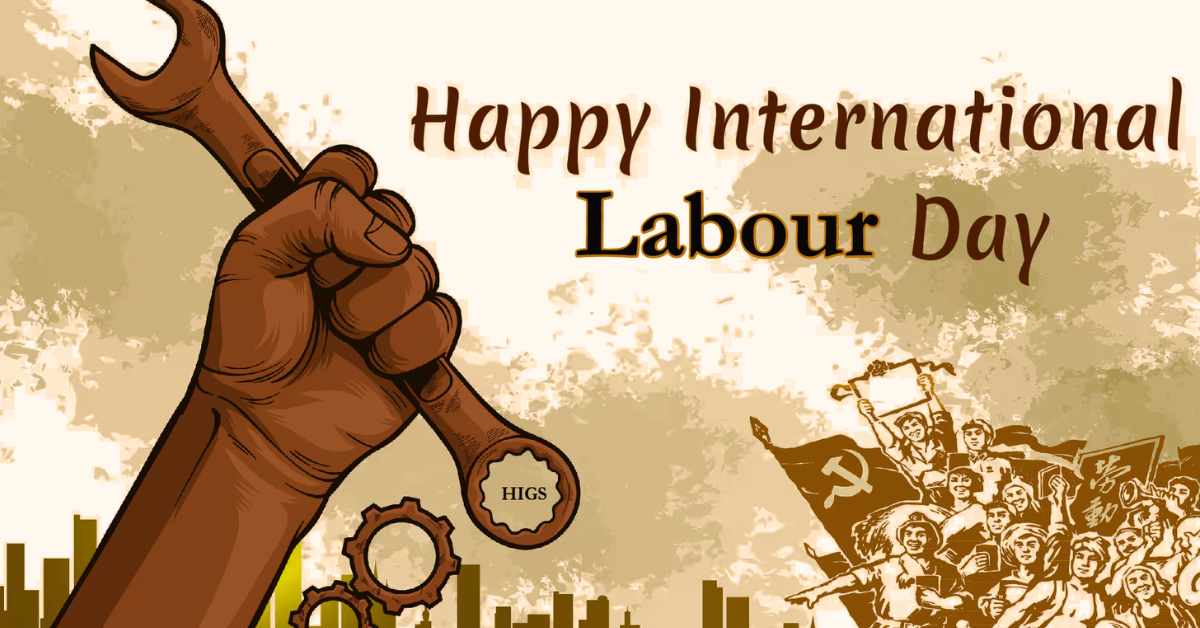
International May Day 2026 is expected to be one of the most widely observed global events focused on workers rights, labor movements, and social justice. Every year on May 1st, countries around the world recognize the contributions of workers who build economies, support industries, and keep societies running.
May Day is not just a holiday in many countries. It is a symbol of unity, struggle, and progress for working people. In 2026, the event continues to carry strong relevance as global economies change, automation grows, and workers demand fair wages and safe working conditions.
What Is International May Day
International May Day, also known as International Workers Day, is a global observance dedicated to celebrating workers and labor movements. It is held on May 1st every year.
The day highlights the rights of employees across industries including factories, agriculture, transport, healthcare, education, and service sectors. It also represents solidarity among workers worldwide.
In many countries, it is marked with rallies, speeches, cultural programs, and public discussions about labor rights.
History of May Day
The origin of May Day dates back to the late nineteenth century when workers in the United States fought for better working conditions and an eight-hour workday.
The movement grew rapidly and inspired labor organizations around the world. Over time, May 1st became a global symbol of workers’ rights and social justice.
Today, many countries officially recognize May Day as a public holiday, while others observe it through events and demonstrations.
Why May Day Still Matters in 2026
Even in 2026, workers continue to face challenges such as low wages, job insecurity, long working hours, and lack of benefits in some regions.
Globalization and digital transformation have changed how people work. Many jobs now involve remote work, automation, and gig economy platforms.
May Day serves as a reminder that worker rights must evolve with changing times. It encourages governments, companies, and organizations to create fair and safe working environments.
How Countries Celebrate May Day
Different countries celebrate May Day in different ways. In some nations, it is a national holiday with parades, speeches, and cultural festivals.
Workers unions often organize marches to demand better wages and labor protections. In other places, educational programs and discussions are held to raise awareness about employment rights.
Some countries focus more on cultural celebrations, while others emphasize political and social messages.
May Day and Workers Rights
One of the main themes of May Day is workers rights. This includes fair pay, safe working conditions, reasonable working hours, and access to social protection.
Labor movements continue to advocate for equality in workplaces and protection against exploitation.
May Day gives workers a global platform to express concerns and demand improvements.
Impact of Technology on Workers in 2026
In 2026, technology plays a major role in shaping employment. Artificial intelligence, automation, and digital systems are changing traditional jobs.
While technology creates new opportunities, it also replaces some manual and repetitive tasks.
May Day discussions increasingly focus on how to balance technological progress with job security for workers.
Importance of Unions and Collective Voice
Trade unions play an important role in protecting worker rights. They represent employees in negotiations with employers and governments.
On May Day, unions often organize events to highlight achievements and ongoing challenges.
A collective voice helps workers achieve fair treatment and stronger workplace protections.
Global Themes of May Day 2026
The themes of May Day 2026 are expected to include fair wages, digital economy rights, workplace equality, climate related jobs, and safe working environments.
As the world changes, labor discussions also expand beyond traditional factory jobs to include freelancers, remote workers, and digital platform employees.
May Day in Developing Countries
In developing countries, May Day often carries strong emotional and social importance. Many workers face economic pressure and job instability.
Public rallies and awareness campaigns are common, focusing on improving labor laws and working conditions.
It also highlights the role of workers in national development and economic growth.
May Day in Developed Countries
In developed nations, May Day is often used to discuss advanced labor issues such as automation, mental health at work, remote work policies, and income equality.
While conditions may be better, workers still raise concerns about fair pay and job satisfaction.
Future of Work and May Day
The future of work is changing quickly. Remote jobs, freelance platforms, and digital employment are becoming more common.
May Day helps society reflect on how to ensure fairness in this new world of work.
It encourages discussions about education, skills development, and adapting to future job markets.
Why May Day Is Important for Everyone
May Day is not only for workers but for society as a whole. Every product, service, and infrastructure depends on human labor.
From farmers and factory workers to teachers, doctors, and drivers, every profession contributes to daily life.
Recognizing their efforts helps build respect and balance in society.
International May Day 2026 remains a powerful global reminder of the value of workers and their contributions. It connects history with modern challenges and future possibilities.
As the world continues to change, May Day continues to stand for fairness, dignity, and equality in the workplace. It is a day that unites people across countries, cultures, and industries under one shared message that workers matter everywhere.









- SSC Exam Result check 2026 Bangladesh
- NU Degree Result 2026 Bangladesh: Full Guide
- India Tourist Visa for Bangladeshis Resumes From May 6
- Eid al Fitr 2026 UAE Dates Confirmed and Expected Globally
- Dubai-bound flight catches fire after taking off from Nepal
- Turkey`s homegrown 5th-generation fighter jet named KAAN
- Shihab Chottur reaches Makkah from India in 12 months
- Cleaner Job Circular 2026 Saudi Arabia Latest Hiring Update
- Eid Ul Adha 2023 in Saudi Arabia!
- India gets new parliament building